Galvanized vs Stainless Steel Grating: Which One Should You Choose?
When selecting industrial grating systems, one common question arises: should you choose galvanized steel grating or stainless steel grating? Each material offers distinct advantages depending on environment, load requirements, and corrosion exposure.
As a trusted Steel Grating manufacturer, we supply various grating materials and structural types to support industrial, commercial, and infrastructure projects worldwide.
1. What is Galvanized Steel Grating?
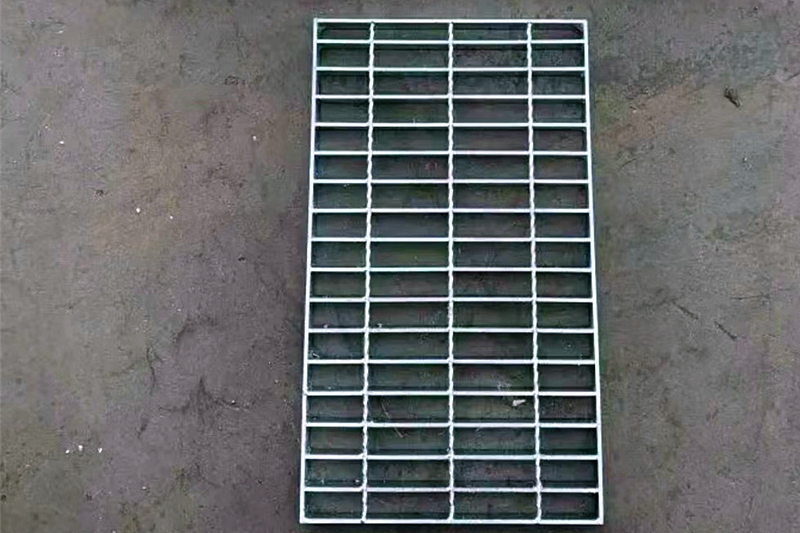
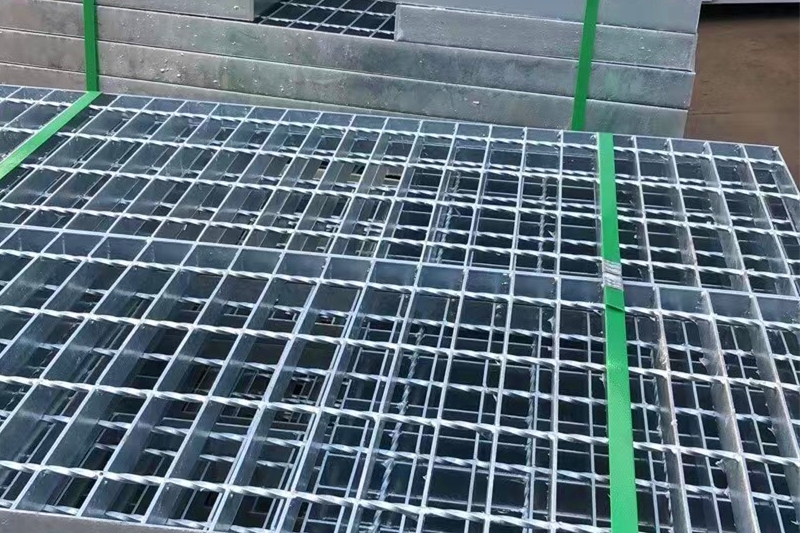
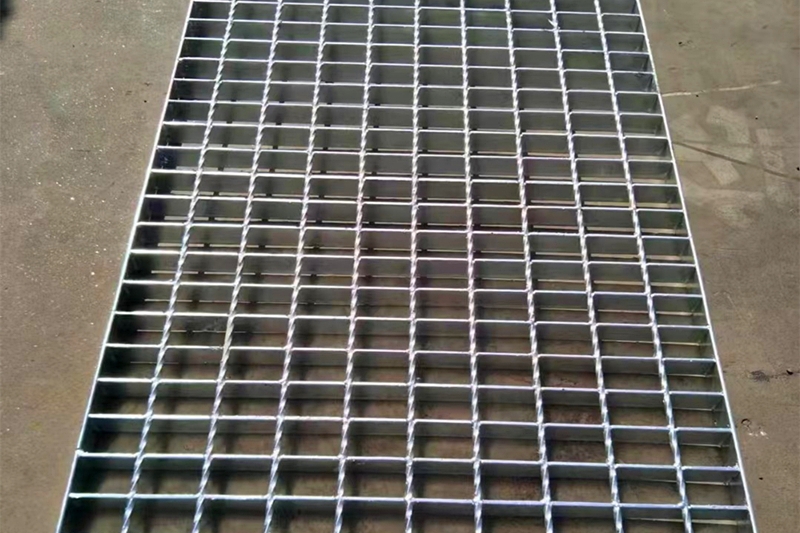
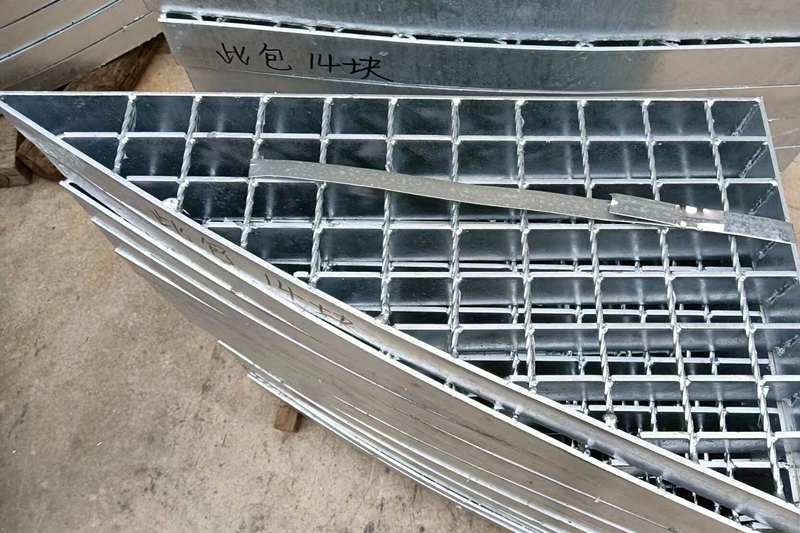
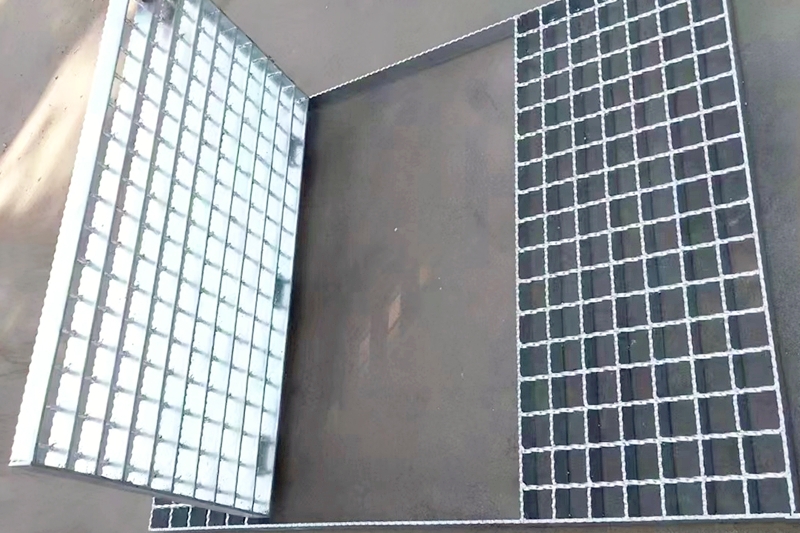
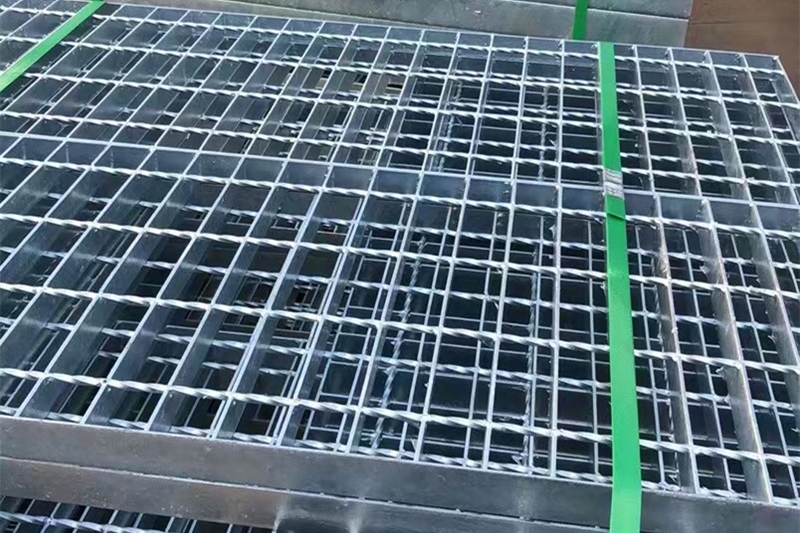
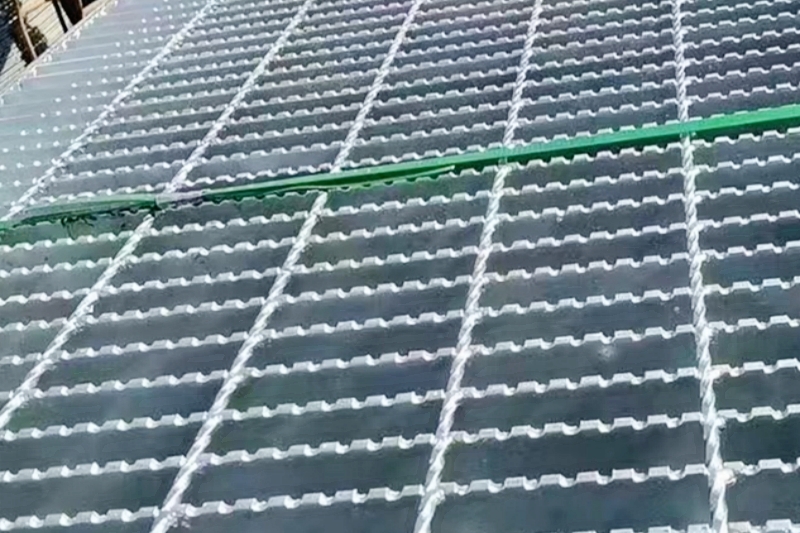
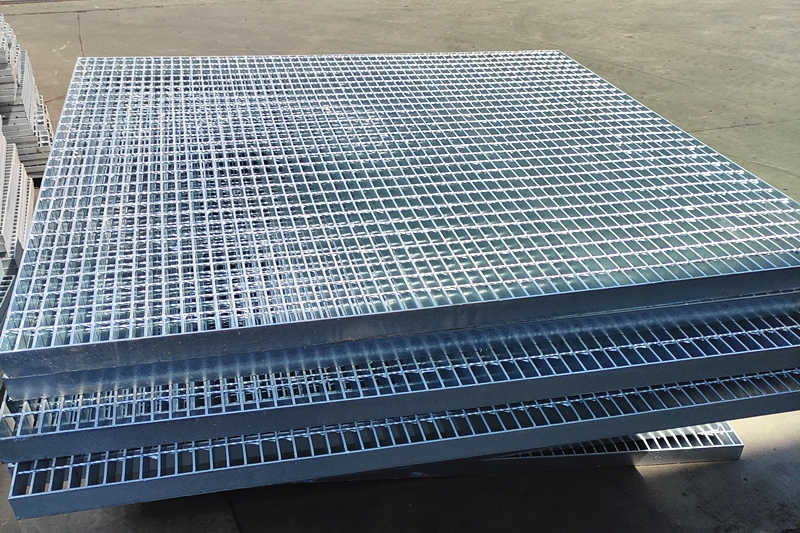
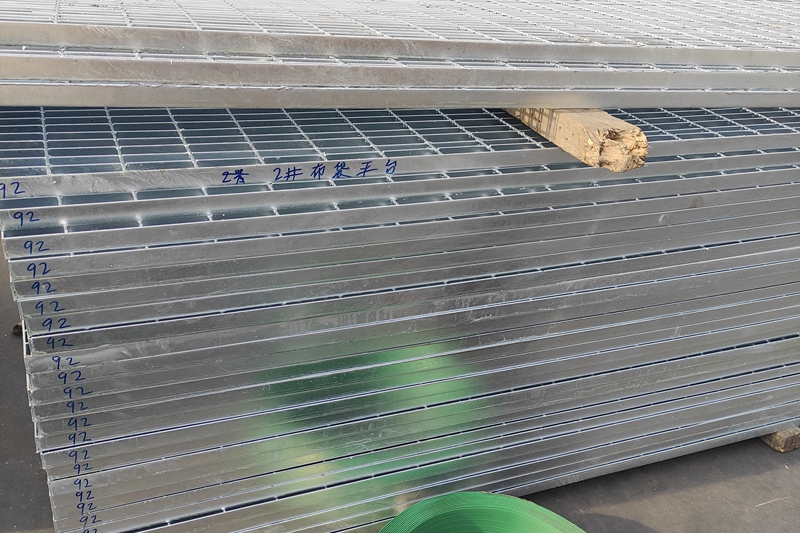
Galvanized Steel Grating is carbon steel grating treated with hot-dip galvanizing to create a zinc protective layer. This coating provides strong corrosion resistance for outdoor and industrial environments.
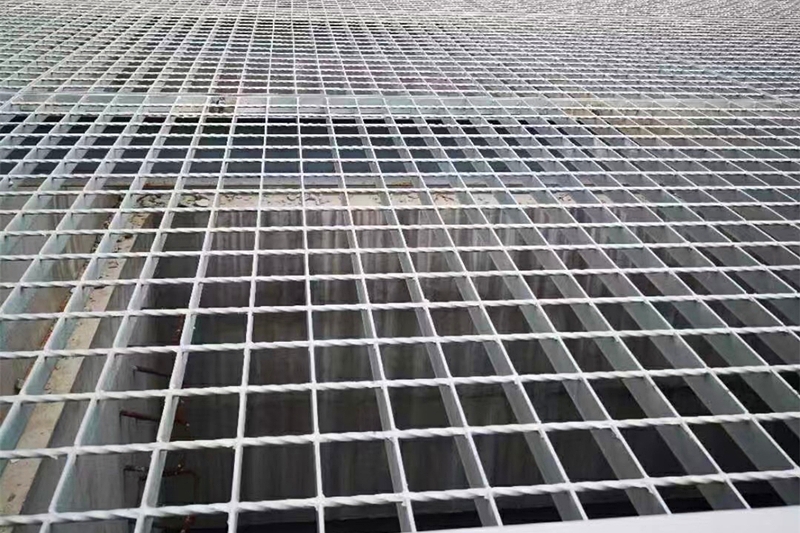
It is widely used in walkways, platforms, trench covers, and factory flooring due to its durability and cost efficiency.
Advantages of Galvanized Grating
- Lower cost compared to stainless steel
- Strong load-bearing performance
- Good corrosion resistance in normal outdoor environments
- Long service life with minimal maintenance
2. What is Stainless Steel Grating?
Stainless steel grating is manufactured using corrosion-resistant alloys such as 304 or 316 stainless steel. Unlike galvanized products, it does not rely on a coating — corrosion resistance is inherent to the material.
It is commonly used in chemical plants, food processing facilities, marine environments, and areas exposed to aggressive chemicals.
Advantages of Stainless Steel Grating
- Excellent resistance to chemicals and saltwater
- Superior aesthetic appearance
- No risk of zinc layer damage
- Ideal for high-humidity or acidic environments
3. Key Differences Comparison
| Feature | Galvanized Steel Grating | Stainless Steel Grating |
|---|---|---|
| Corrosion Resistance | High (zinc coating protection) | Very High (material-based protection) |
| Cost | More economical | Higher initial investment |
| Maintenance | Low | Very Low |
| Best Application | Industrial platforms, drainage, walkways | Chemical, marine, food industry |
4. Which One Should You Choose?
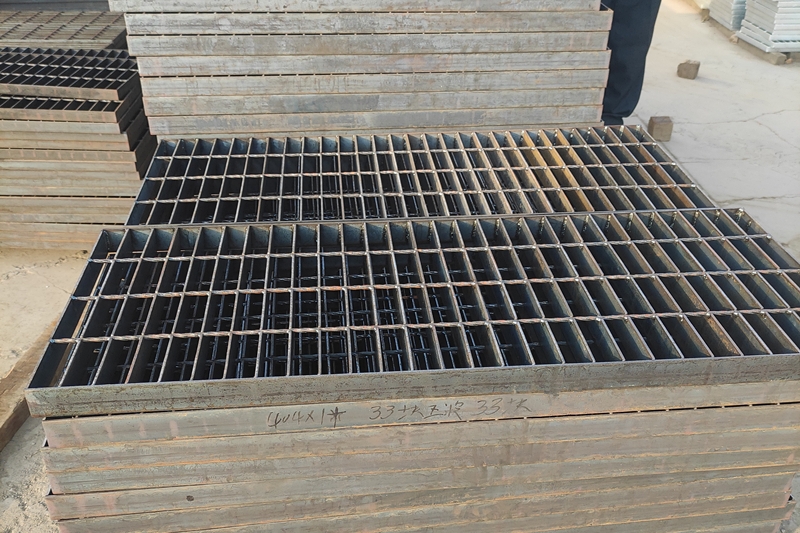
If your project is located in standard outdoor or industrial environments, Steel Bar Grating with hot-dip galvanizing is usually the most cost-effective solution.
For highly corrosive or marine environments, stainless steel may provide better long-term protection despite higher upfront cost.
Conclusion
Both galvanized and stainless steel grating systems provide reliable structural support. The best choice depends on your environmental exposure, budget, and maintenance expectations. Consulting with an experienced manufacturer ensures you select the most appropriate material for your application.