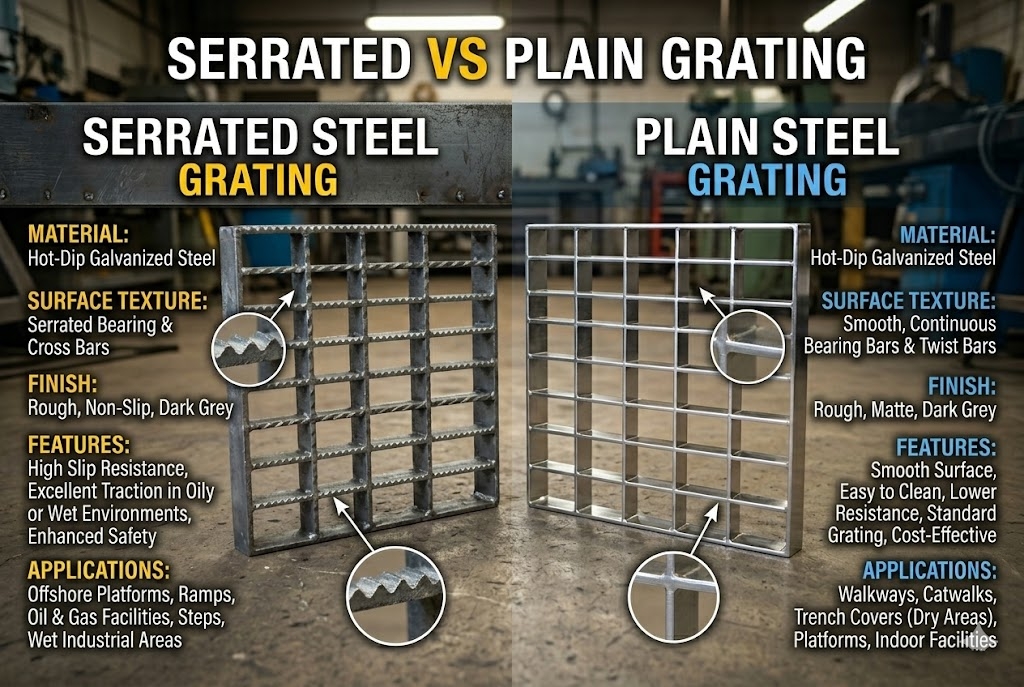
Serrated vs Plain Grating: Which Is Better?
When selecting industrial flooring systems, one common question is whether serrated grating or plain grating is the better choice. The answer depends on slip resistance requirements, environmental conditions, and application type.
As a professional bar grating supplier, we manufacture both serrated and plain steel grating for industrial, commercial, and infrastructure projects worldwide.
1. What Is Plain Steel Grating?
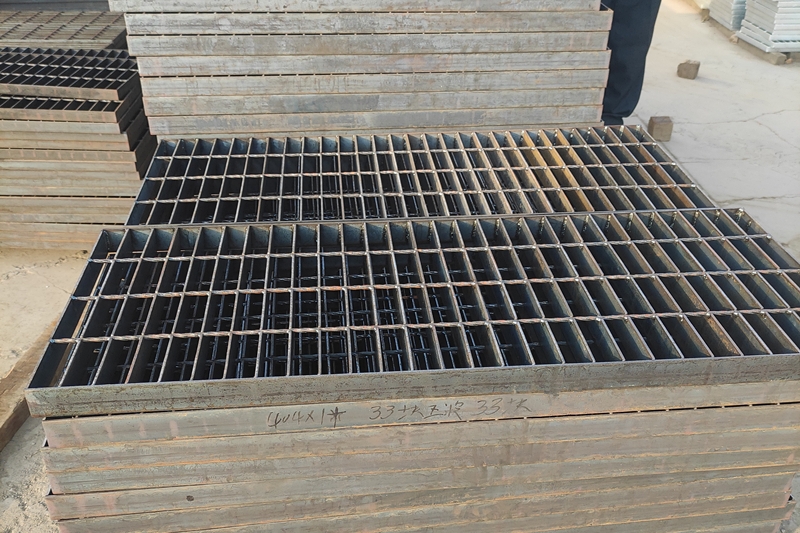
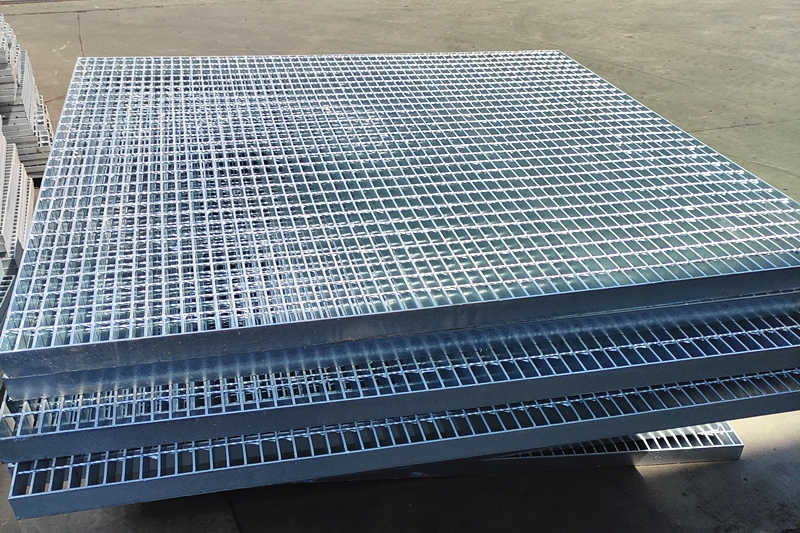
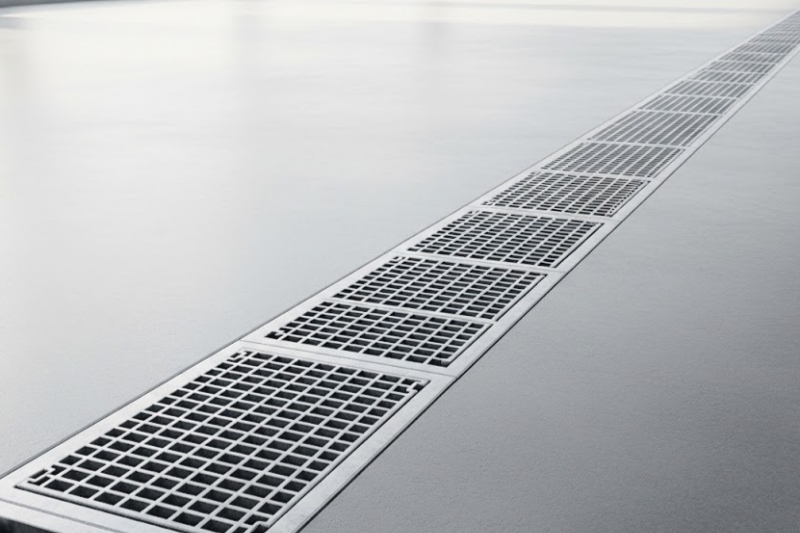
Steel Bar Grating with a plain surface features smooth bearing bars without notches. It provides excellent structural strength and is widely used in standard industrial platforms and walkways.
- Cost-effective solution
- High load-bearing capacity
- Suitable for dry indoor environments
- Clean and simple appearance
2. What Is Serrated Steel Grating?
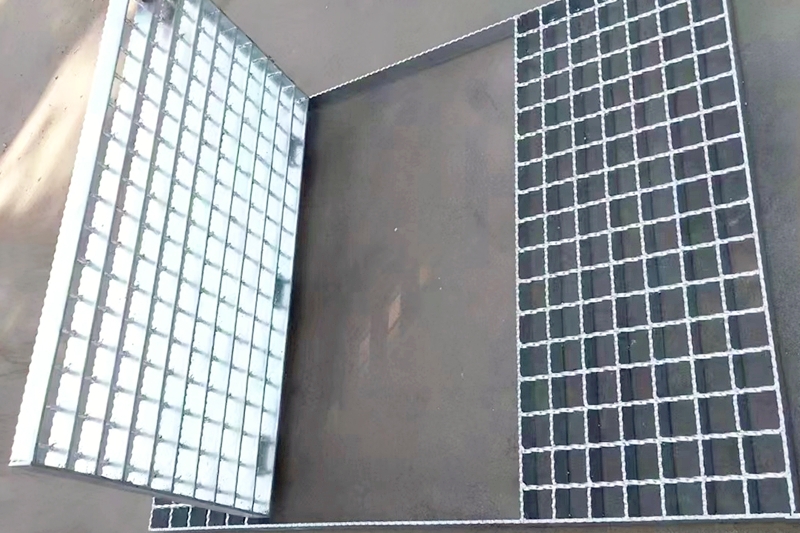
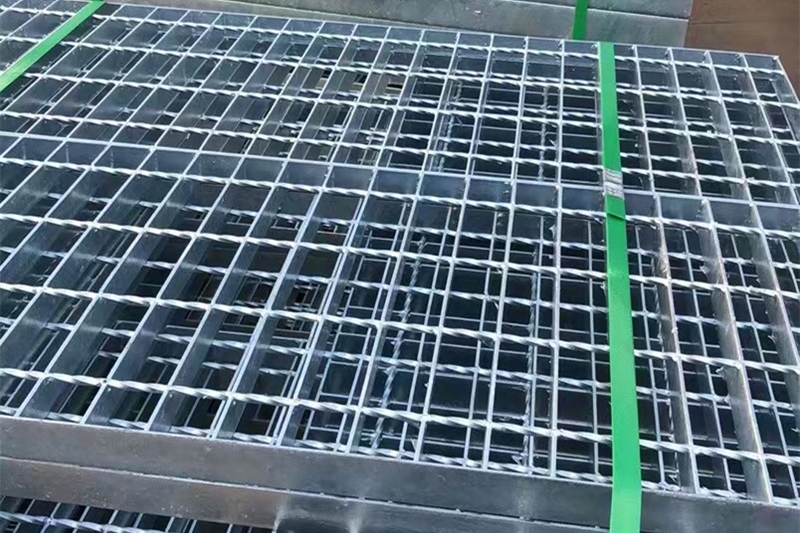
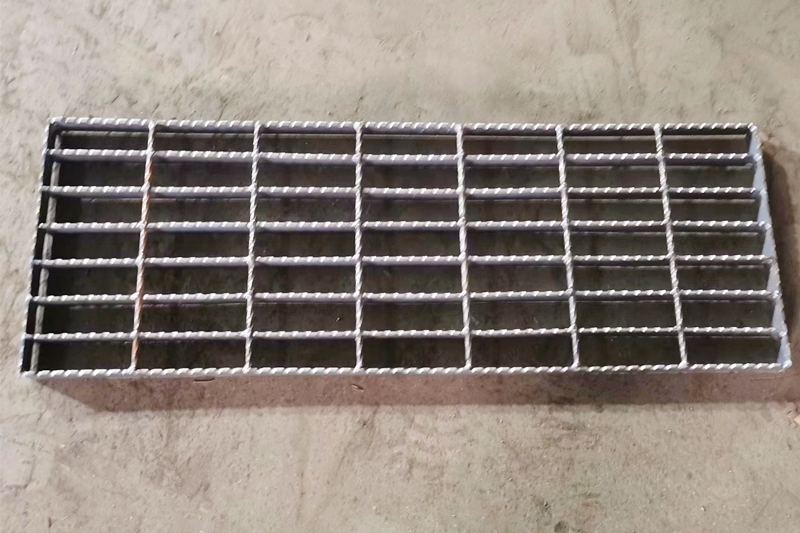
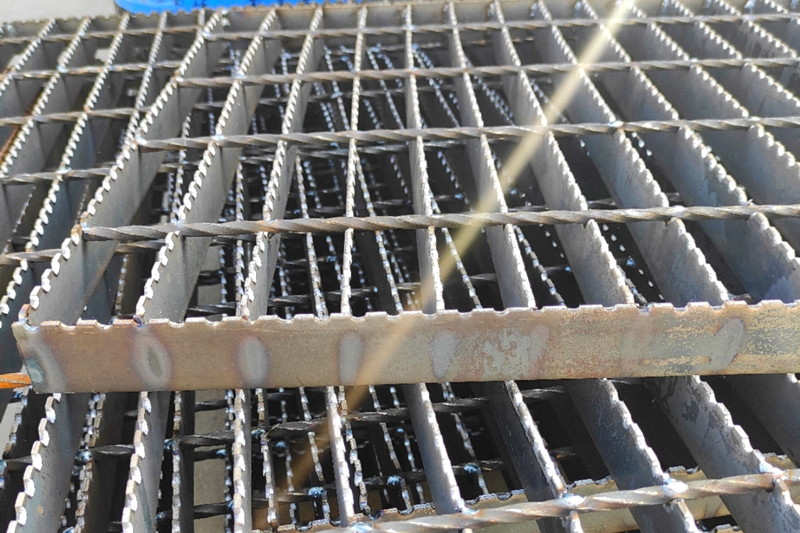
Serrated Steel Grating features notched bearing bars that increase surface friction. The serrated edges improve slip resistance, making it ideal for wet, oily, or hazardous environments.
- Enhanced anti-slip performance
- Improved worker safety
- Recommended for outdoor and heavy-traffic areas
- Slightly higher cost than plain type
3. Performance Comparison
| Feature | Plain Grating | Serrated Grating |
|---|---|---|
| Slip Resistance | Standard | High |
| Cost | Lower | Slightly Higher |
| Best Environment | Dry indoor areas | Wet, oily, outdoor areas |
| Maintenance | Low | Low |
4. When to Choose Each Type
Plain grating is suitable for warehouses, equipment platforms, and general industrial flooring where slip risk is minimal.
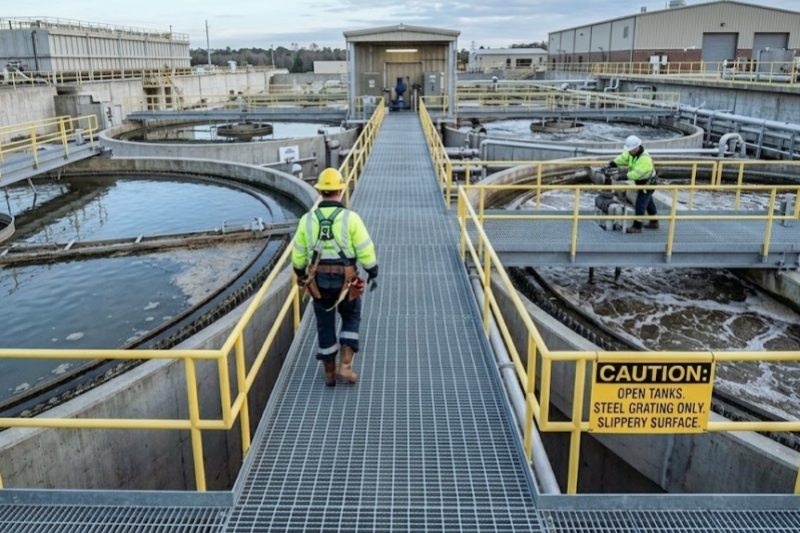
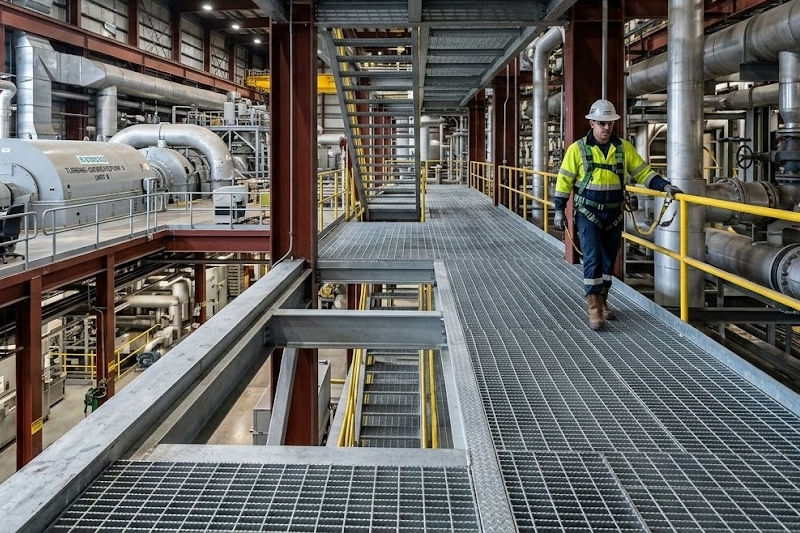
Serrated grating is recommended for oil & gas facilities, power plants, wastewater treatment plants, and outdoor stair systems. For heavy load zones, Heavy Duty Steel Grating with serrated bearing bars ensures both safety and structural strength.
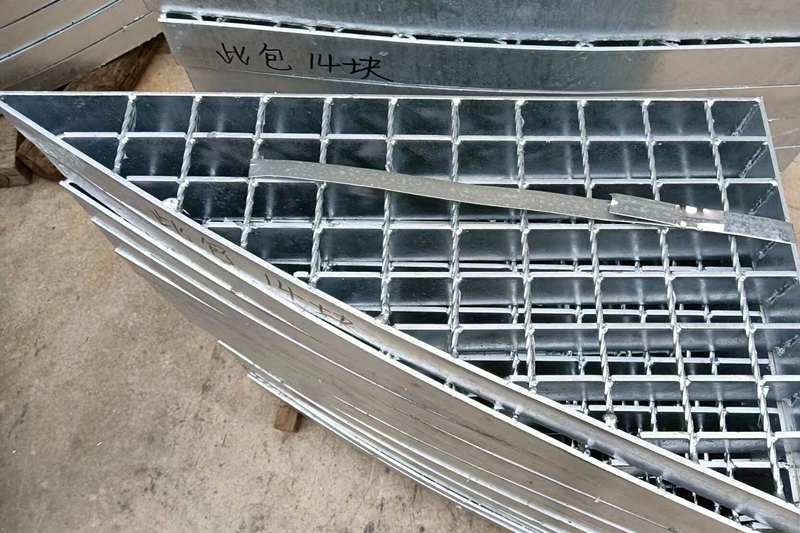
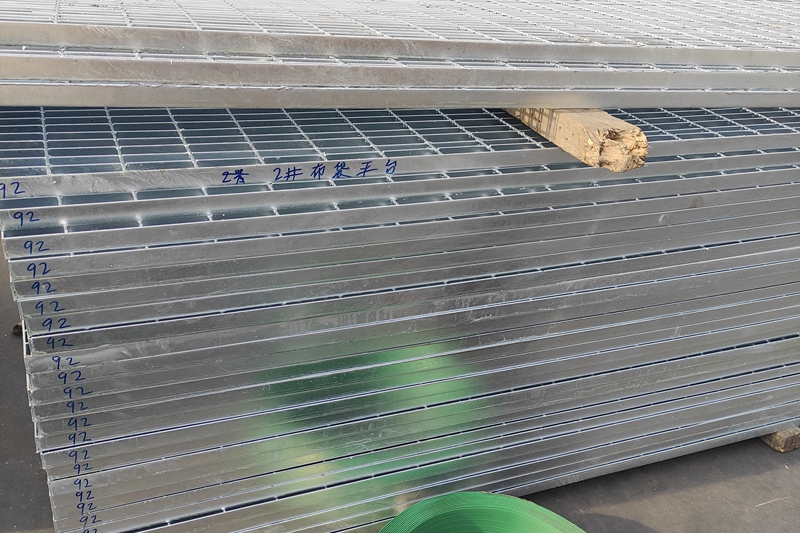
For long-term outdoor durability, Galvanized Steel Grating is commonly specified to protect against corrosion.
Conclusion
Both serrated and plain grating offer reliable structural performance. The correct choice depends on safety requirements and environmental exposure. Evaluating slip resistance needs is critical for ensuring long-term operational safety.
Contact our technical team for assistance in selecting the appropriate grating type for your project.