Difference Between 19W4 and 19W2 Steel Grating
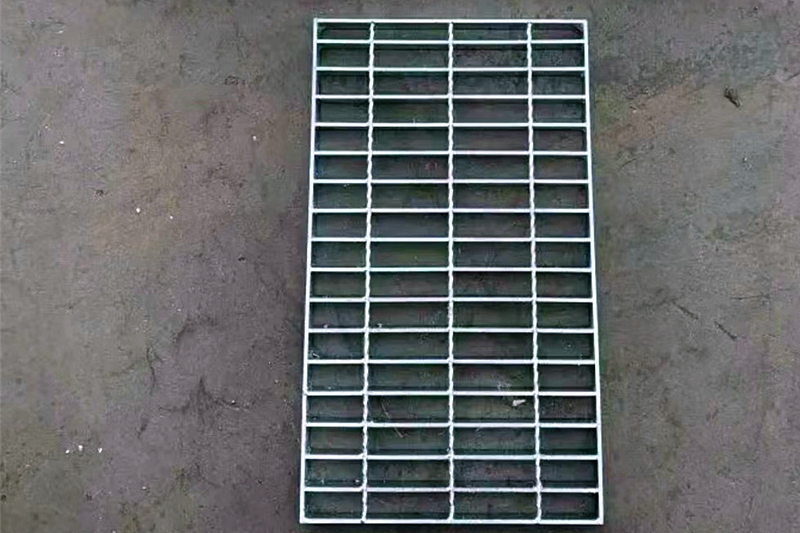
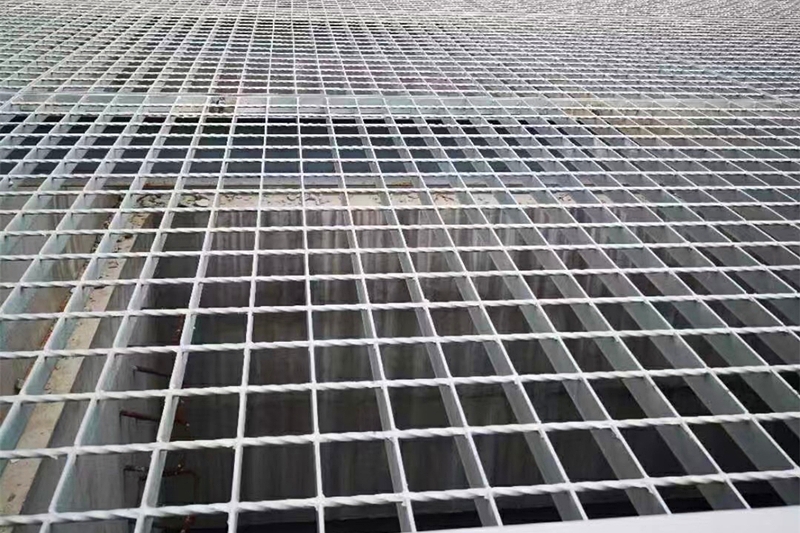
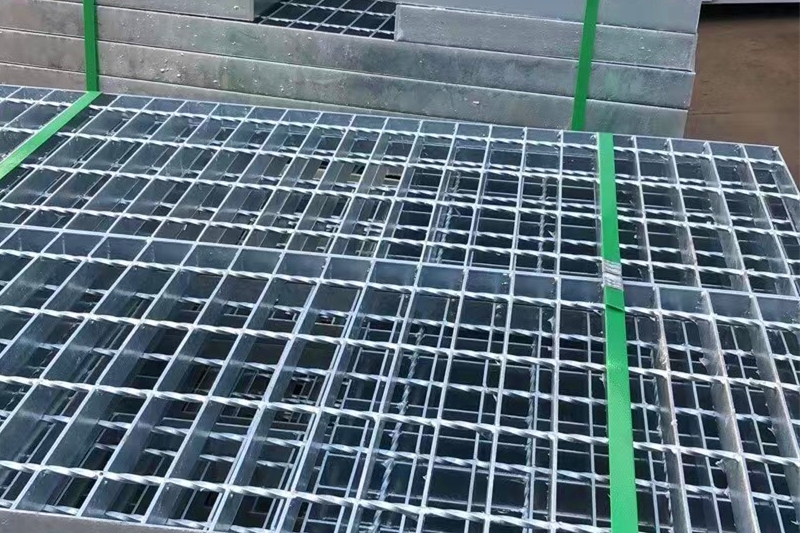
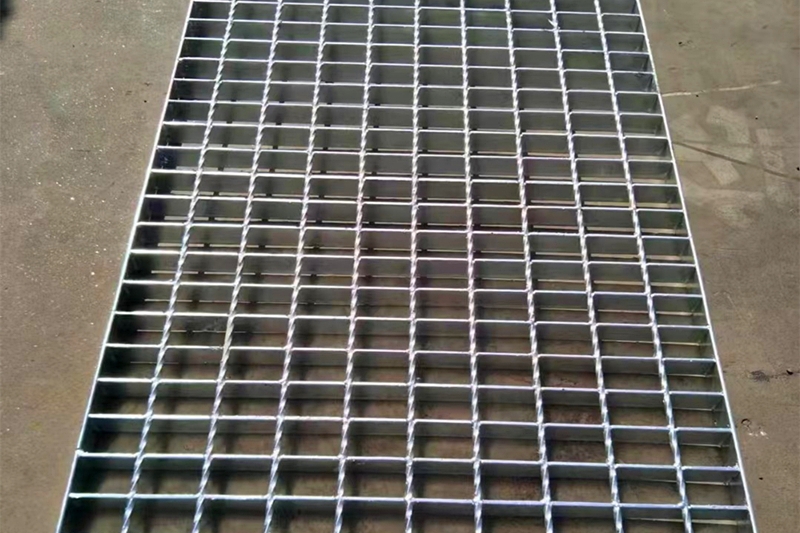
19W4 and 19W2 are two commonly used welded steel bar grating specifications. Although both use the same bearing bar spacing, the difference in cross bar spacing significantly affects load performance and application suitability.
This guide explains the structural differences, load behavior, and project selection considerations between 19W4 and 19W2 steel grating.
1. Understanding the Specification Code
In NAAMM designation:
- 19 = 19/16″ (1-3/16″) bearing bar spacing
- W = Welded construction
- 4 = 4″ cross bar spacing
- 2 = 2″ cross bar spacing
Both specifications share the same bearing bar spacing but differ in cross bar interval.
2. Structural Difference
The key difference lies in cross bar frequency:
- 19W4 → Cross bars every 4 inches
- 19W2 → Cross bars every 2 inches
Reducing cross bar spacing increases lateral stability and distributes loads more evenly across the panel.
3. Load and Stability Comparison
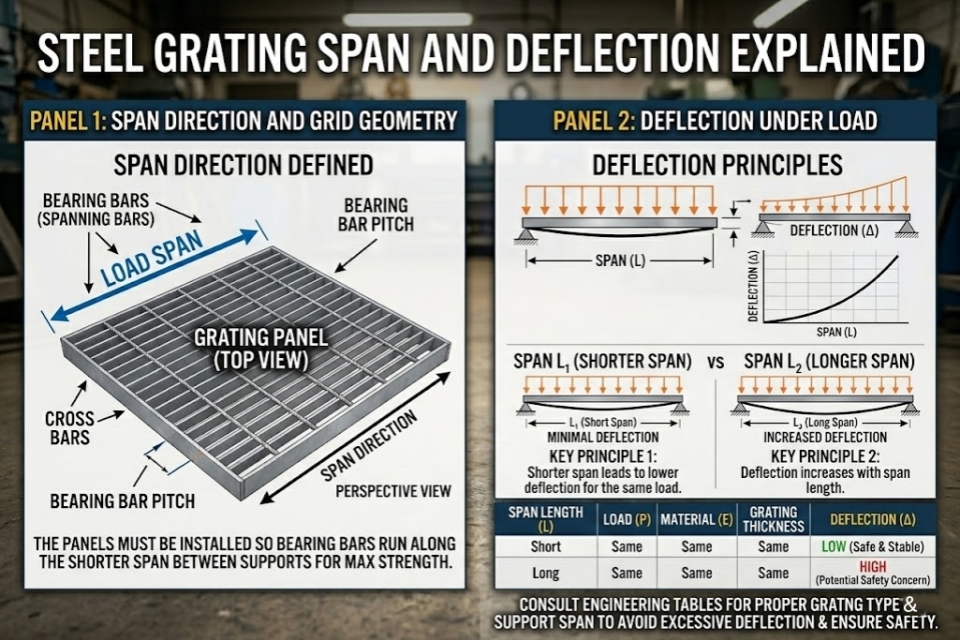
Although bearing bar size determines primary load capacity, closer cross bar spacing improves panel rigidity and vibration resistance.
- 19W4 → Standard industrial flooring
- 19W2 → Higher impact areas or mobile equipment zones
- 19W2 → Better for shorter span heavy-duty applications
For heavy traffic areas, engineers often consider heavy duty steel grating when additional structural strength is required.
4. Open Area Difference
Because 19W2 has more cross bars, its open area percentage is slightly lower than 19W4. This may affect drainage and ventilation efficiency in certain projects.
- 19W4 → Higher open area
- 19W2 → Slightly reduced open space
5. Typical Applications
19W4 is widely used in:
- Industrial platforms
- Walkways
- Drainage covers
19W2 is often selected for:
- Vehicle traffic zones
- Equipment support flooring
- Areas requiring additional panel rigidity
When corrosion resistance is required, both options are commonly supplied as galvanized steel grating for extended durability.
6. Choosing the Right Option
Selection depends on load type, span, and environmental conditions. Providing detailed project data to a reliable bar grating manufacturer ensures accurate recommendation and cost control.
Conclusion
The primary difference between 19W4 and 19W2 steel grating lies in cross bar spacing. While both share identical bearing bar spacing, 19W2 offers improved rigidity and stability, whereas 19W4 provides higher open area and cost efficiency for standard industrial applications.