Steel Grating Surface Treatment Guide | HDG vs Painted vs Stainless
Surface treatment plays a critical role in determining the service life and corrosion resistance of steel grating. Selecting the appropriate anti-corrosion method depends on environmental exposure, project budget, and maintenance expectations.
As an experienced Steel Grating supplier, we provide multiple surface treatment solutions to meet industrial and infrastructure project requirements worldwide.
1. Hot-Dip Galvanizing (HDG)
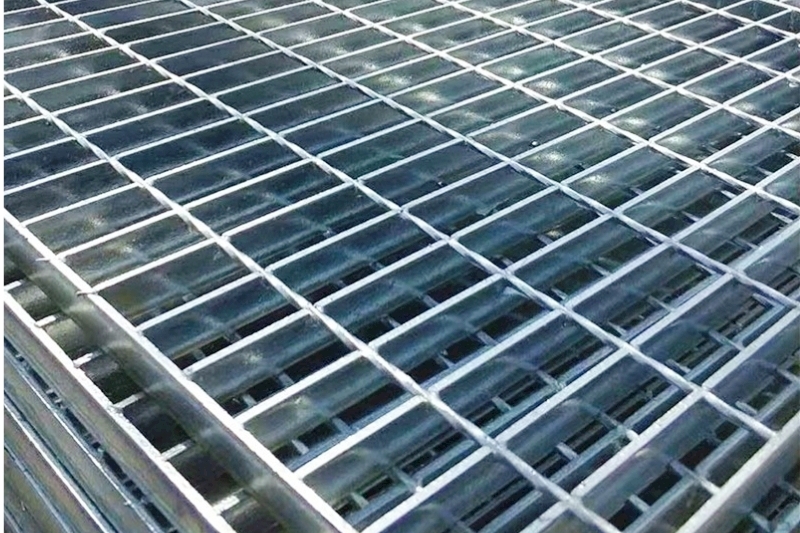
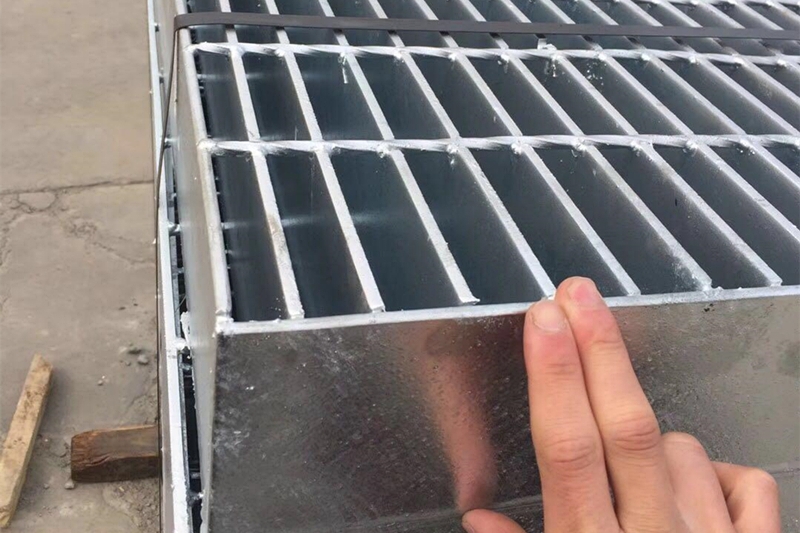
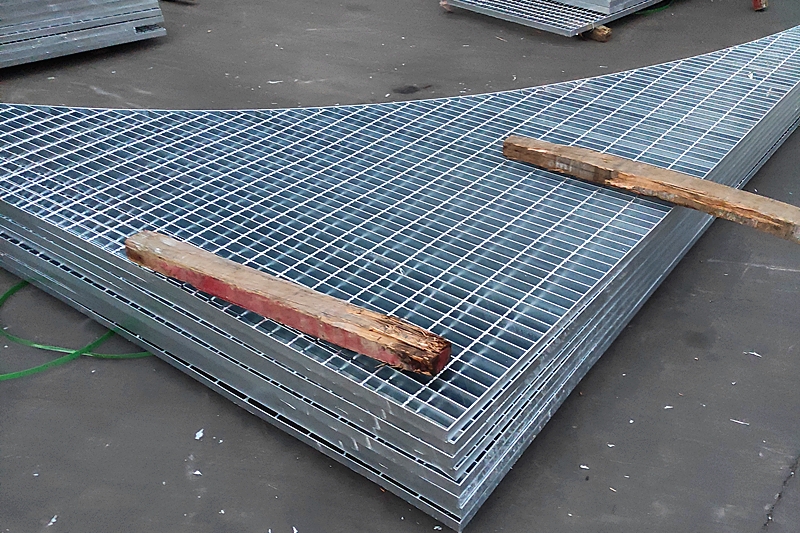
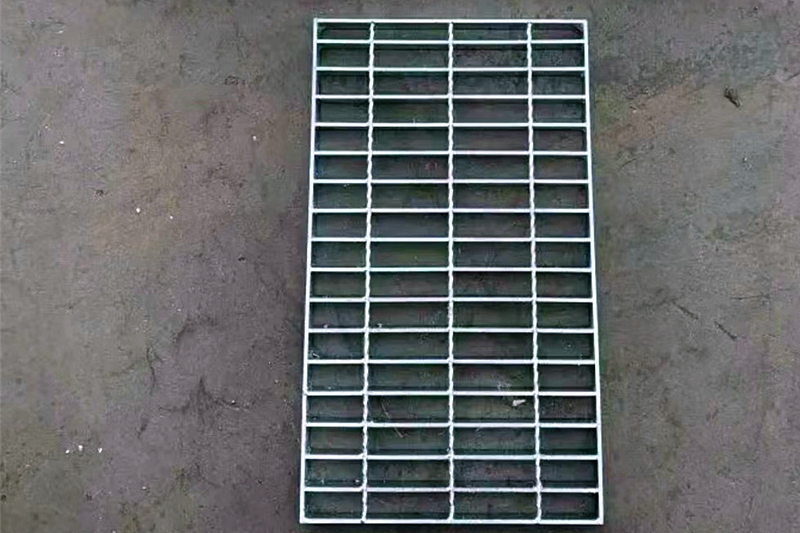
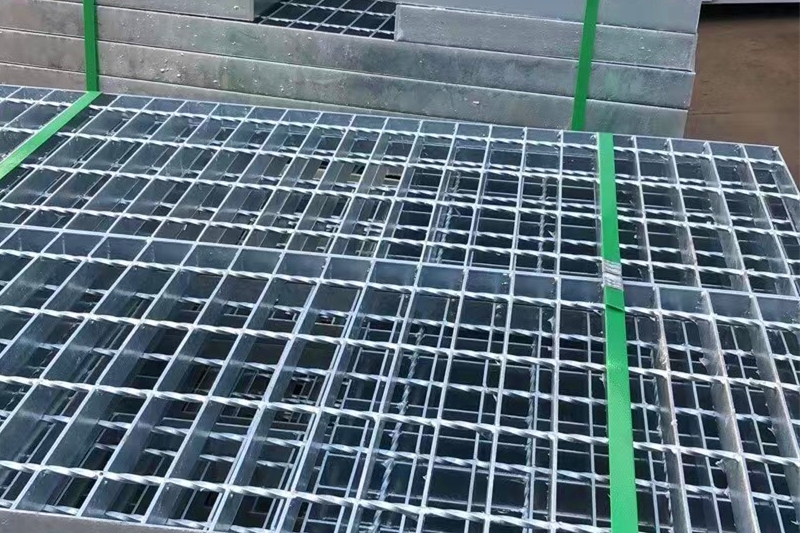
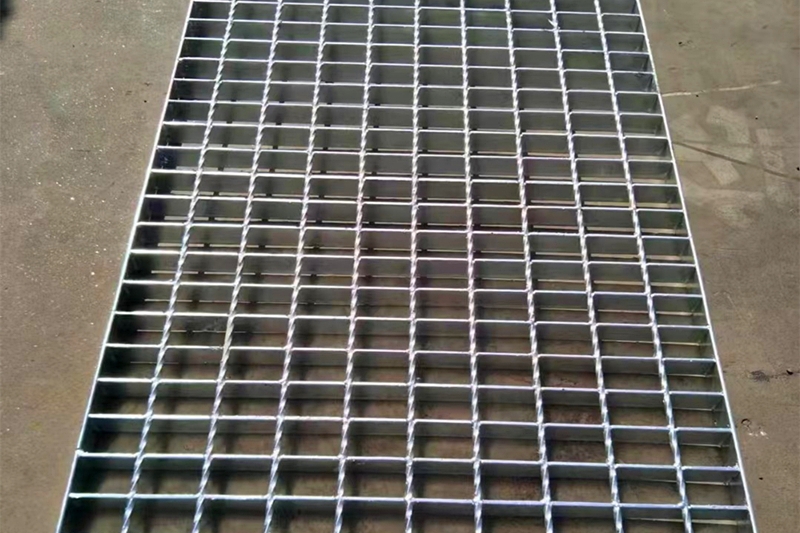
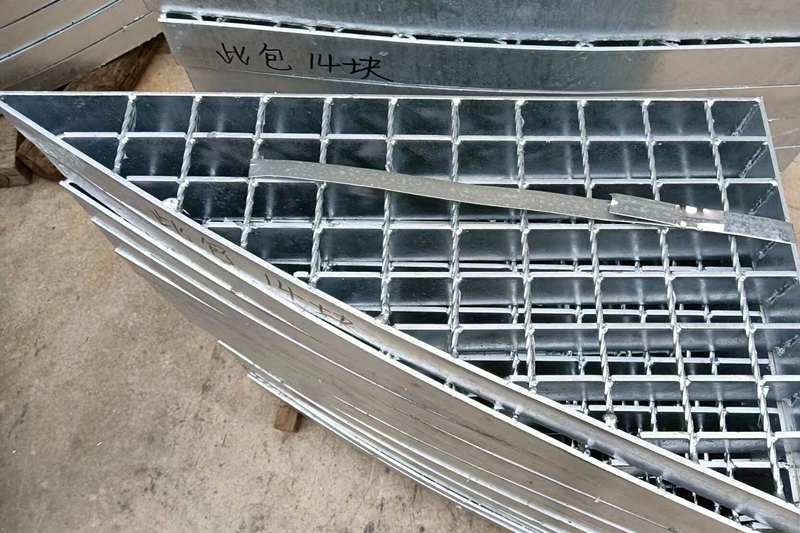
Hot-dip galvanizing is the most widely used surface treatment for carbon steel grating. The grating is immersed in molten zinc, forming a protective zinc coating that shields the base steel from corrosion.
It is commonly applied to Steel Bar Grating and Heavy Duty Steel Grating used in outdoor platforms, walkways, and industrial flooring systems.
- Excellent corrosion resistance
- Long service life in outdoor environments
- Low maintenance requirements
- Cost-effective for large projects
2. Painted Steel Grating
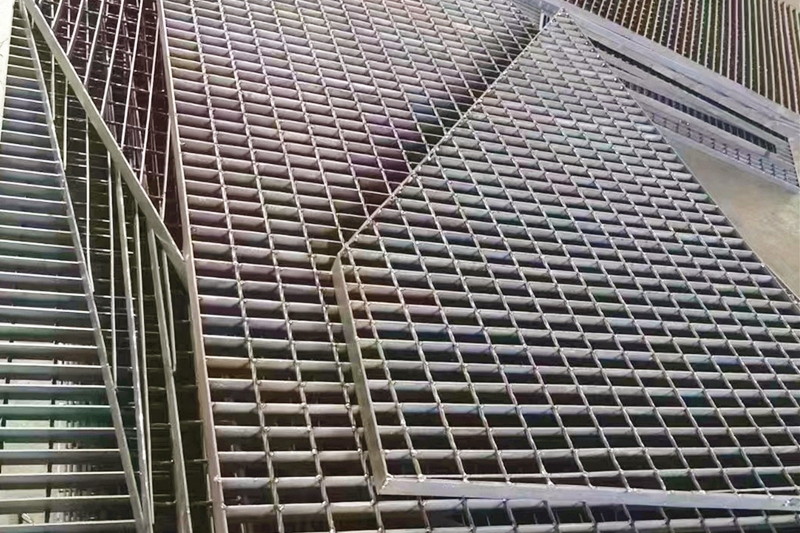
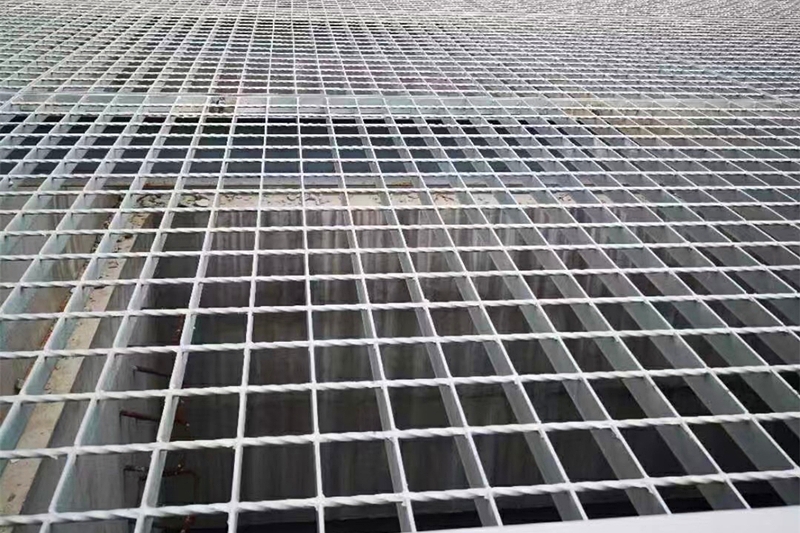
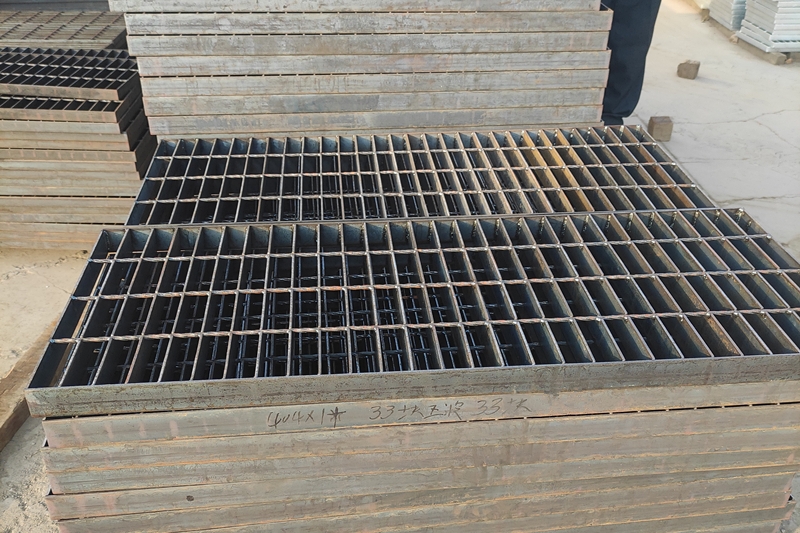
Painting is typically applied as a temporary or decorative surface protection method. Compared with galvanizing, painted coatings provide limited corrosion resistance and require periodic maintenance.
It is mainly used for indoor applications or projects where aesthetics are prioritized over long-term corrosion protection.
- Lower initial cost
- Color customization available
- Suitable for dry indoor environments
- Requires maintenance over time
3. Stainless Steel (Material-Based Protection)
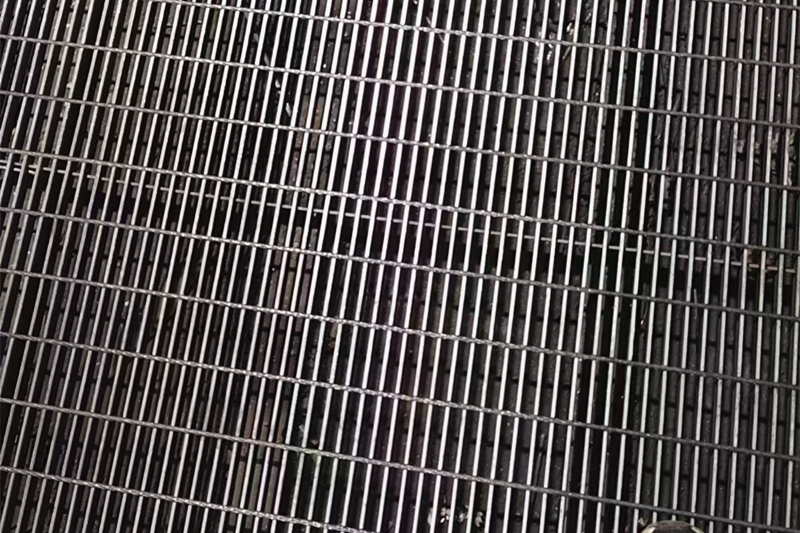
Unlike coated carbon steel products, Stainless Steel Grating offers corrosion resistance through its alloy composition rather than a surface coating. Grades such as 304 and 316 provide strong resistance to chemicals, humidity, and marine exposure.
- Excellent performance in marine and chemical environments
- No coating damage risk
- Long-term durability with minimal maintenance
- Higher material cost compared to galvanized steel
4. How to Choose the Right Surface Treatment?
For most outdoor industrial projects, hot-dip galvanizing provides the best balance between cost and durability. In highly corrosive environments such as coastal or chemical facilities, stainless steel may offer better long-term performance.
Proper selection should consider climate conditions, load requirements, and maintenance strategy to ensure optimal lifecycle performance.
Conclusion
Surface treatment significantly impacts the durability and safety of steel grating systems. Understanding the differences between galvanizing, painting, and stainless materials helps project engineers and procurement managers make informed decisions for long-term structural reliability.