Steel Grating Installation Guide
Proper installation is essential to ensure the safety, stability, and long-term performance of steel grating systems. Incorrect installation may lead to movement, noise, structural weakness, or safety hazards in industrial environments.
As an experienced Steel Grating manufacturer, we provide practical installation guidance for industrial platforms, walkways, stair treads, and trench drain systems.
1. Preparation Before Installation
Before installing steel grating panels, verify that the supporting structure is level, aligned, and capable of bearing the required load.
- Confirm span direction matches bearing bar direction
- Check support beam spacing
- Ensure surface is clean and free from debris
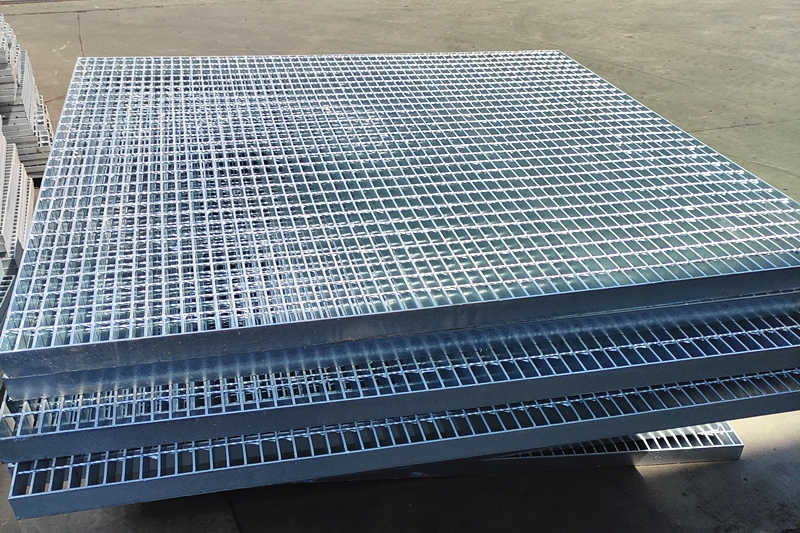
- Verify panel dimensions and specifications
2. Positioning the Grating Panels
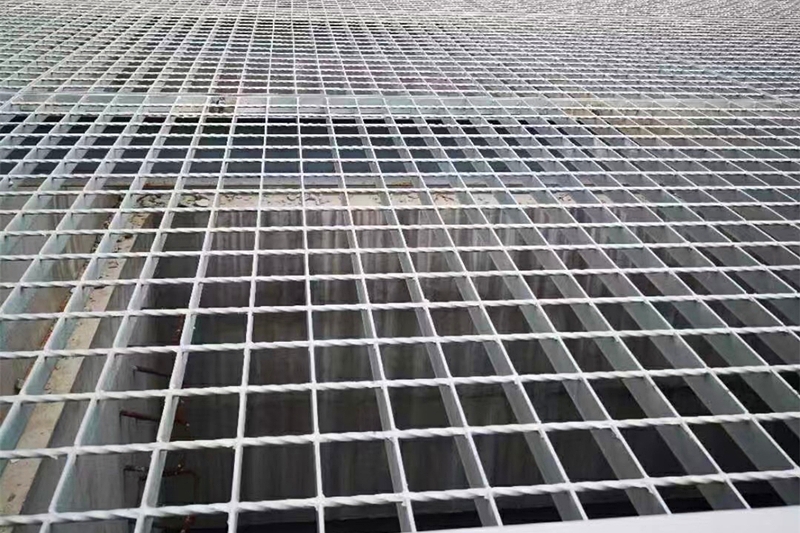
Place the grating panels so that the bearing bars run perpendicular to the support beams. This ensures maximum load-bearing capacity.
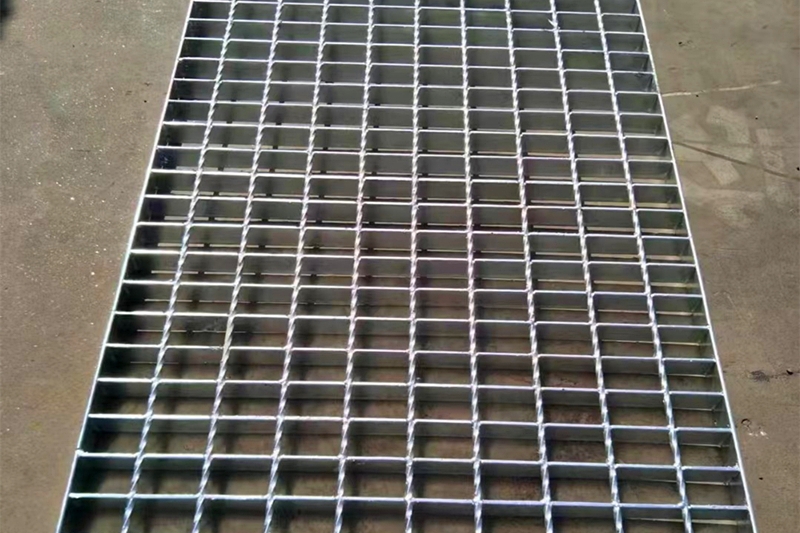
Standard panels such as 19W4 Steel Bar Grating are typically installed with bearing bars spanning the shortest structural distance.
3. Fixing Methods
Steel grating can be fixed using welding or mechanical fasteners depending on project requirements.
For removable panels, it is recommended to use Grating Clips & Fasteners to allow easy maintenance and inspection.
- Welding – Permanent and secure fixation
- Grating clips – Removable and maintenance-friendly
- Bolting – Suitable for heavy-duty applications
4. Installation for Heavy-Duty Applications
For truck traffic or forklift loading areas, reinforced systems such as Heavy Duty Steel Grating should be securely fastened to prevent displacement.
Ensure sufficient fixing points are applied according to load tables and safety standards.
5. Safety Considerations
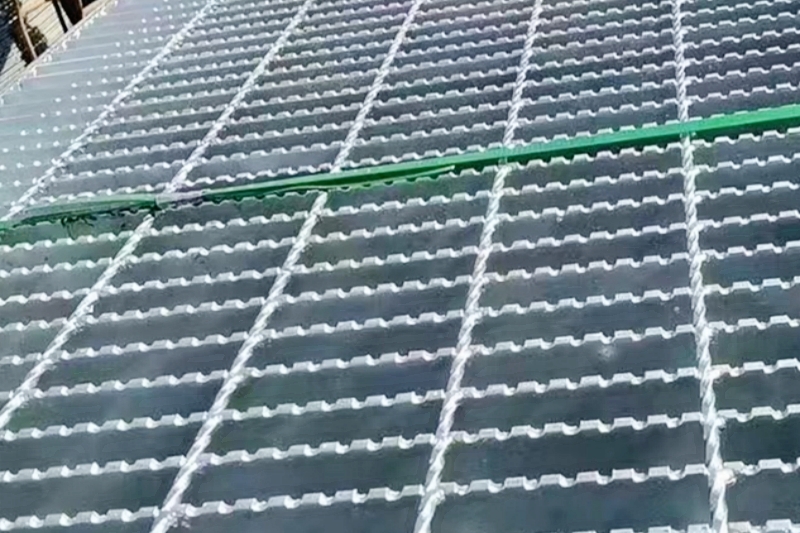
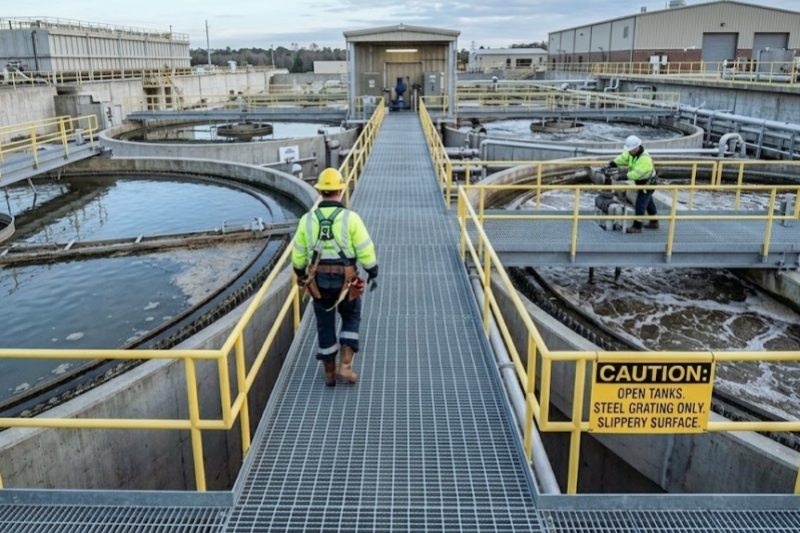
- Install anti-slip serrated surfaces in wet environments
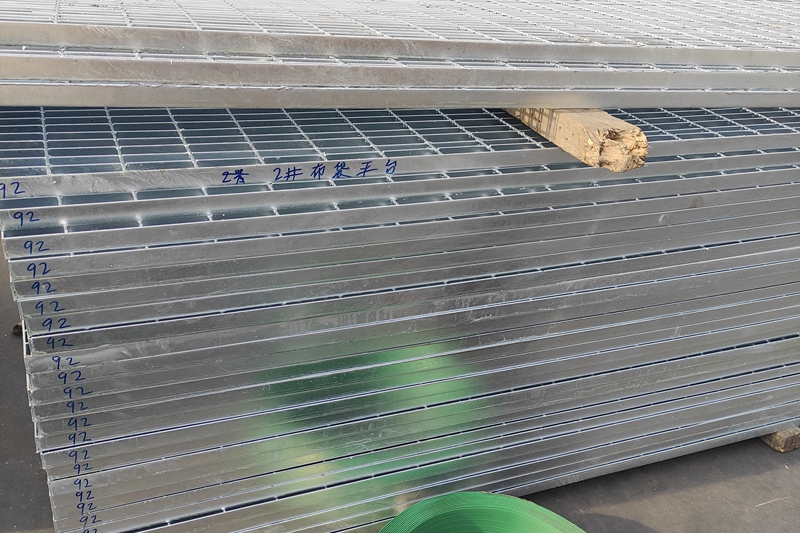
- Use proper lifting tools for large panels
- Follow local structural safety regulations
- Inspect fastening points regularly
Conclusion
Correct steel grating installation improves structural reliability, safety, and service life. By ensuring proper panel orientation, secure fixing, and adequate support, industrial facilities can maintain safe and efficient working environments.