How to Customize Steel Grating for Industrial Projects
Standard specifications such as 19W4 or 15W4 may not always meet complex project requirements. In many industrial environments, steel grating must be customized to match structural layouts, load capacity demands, and installation conditions.
This steel grating customization guide explains how engineers and contractors can define technical parameters before requesting a quotation.
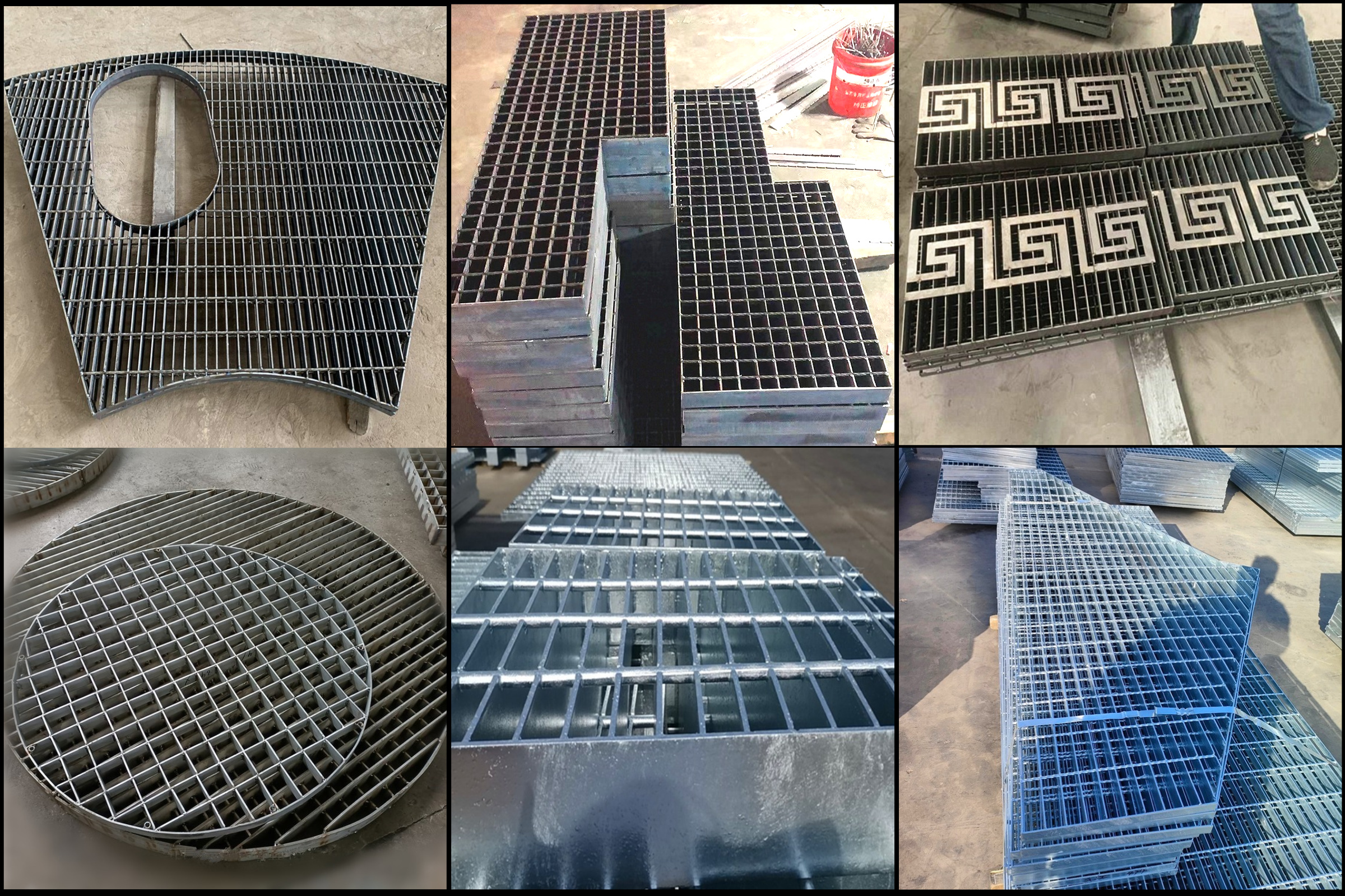
1. Define Load Requirements First
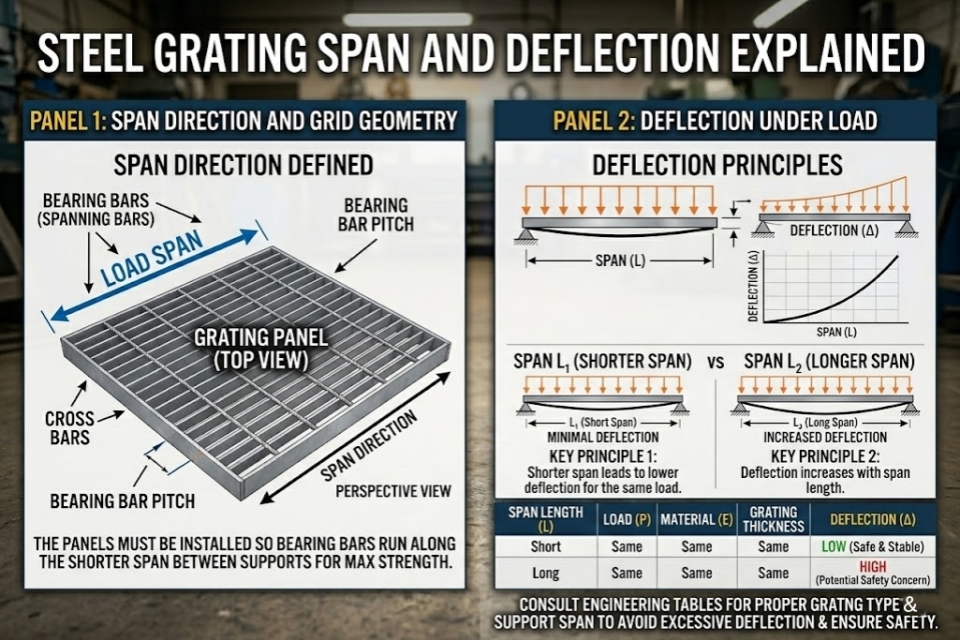
Load calculation is the foundation of any customization process. For heavy-duty platforms or drainage systems, selecting the correct bearing bar size and spacing is critical.
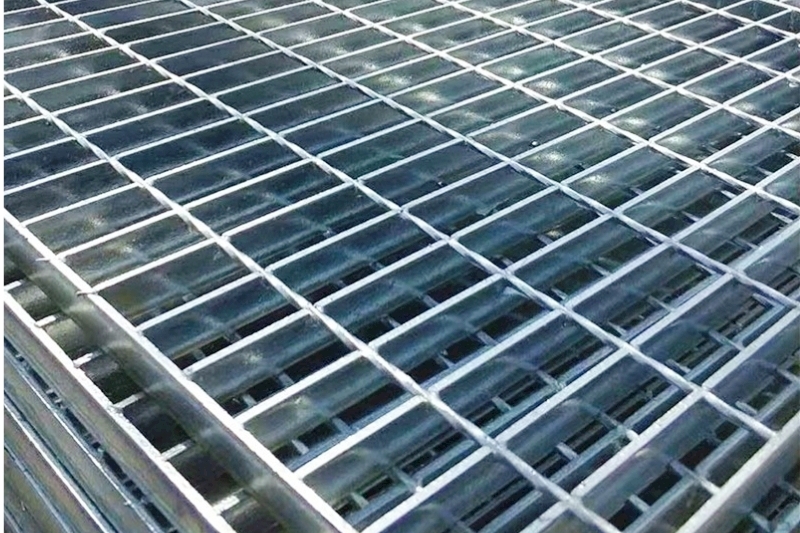
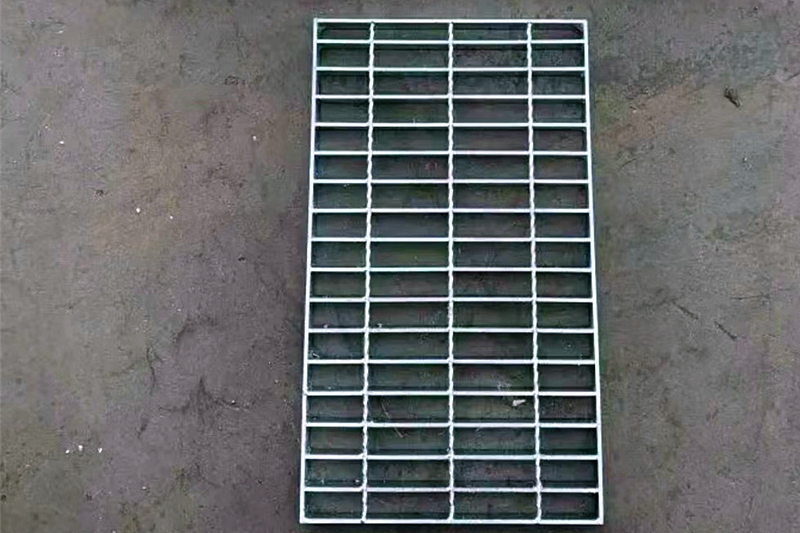
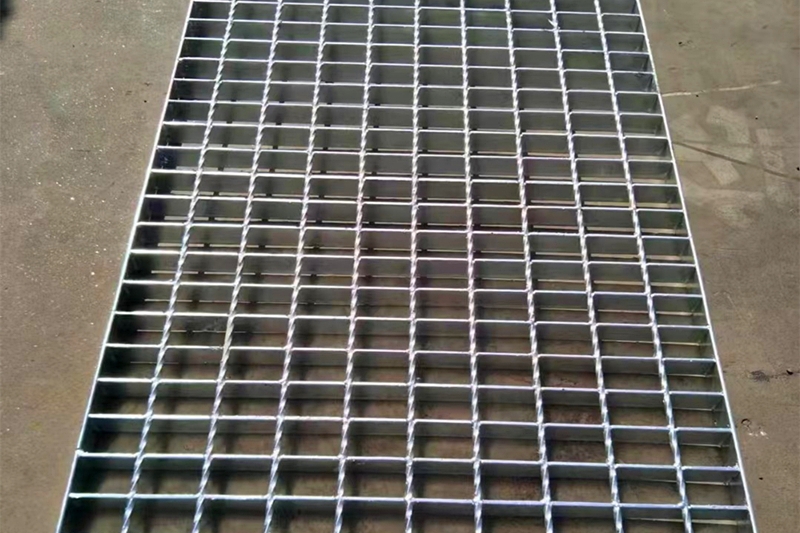
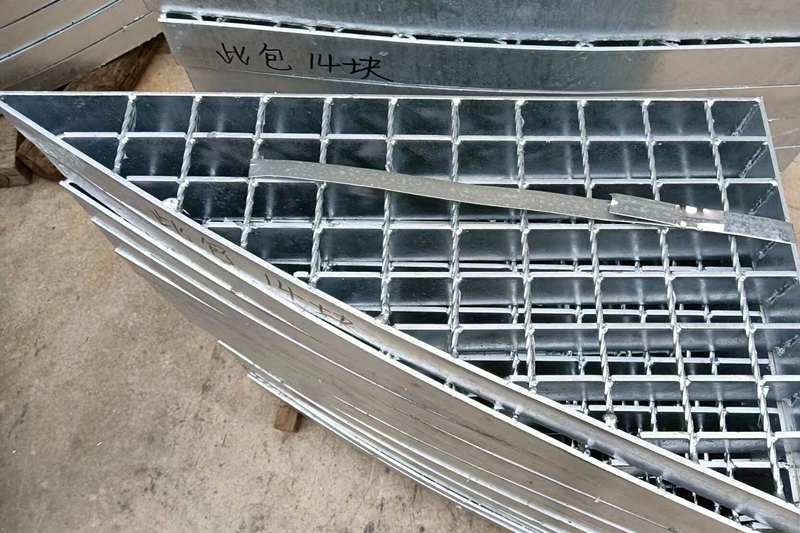
For example, applications requiring corrosion resistance may use galvanized steel grating to ensure long-term durability in outdoor or industrial environments.
- Confirm uniform load requirements
- Check span distance between supports
- Review allowable deflection limits
- Consider safety factors
2. Adjust Bearing Bar Size and Spacing
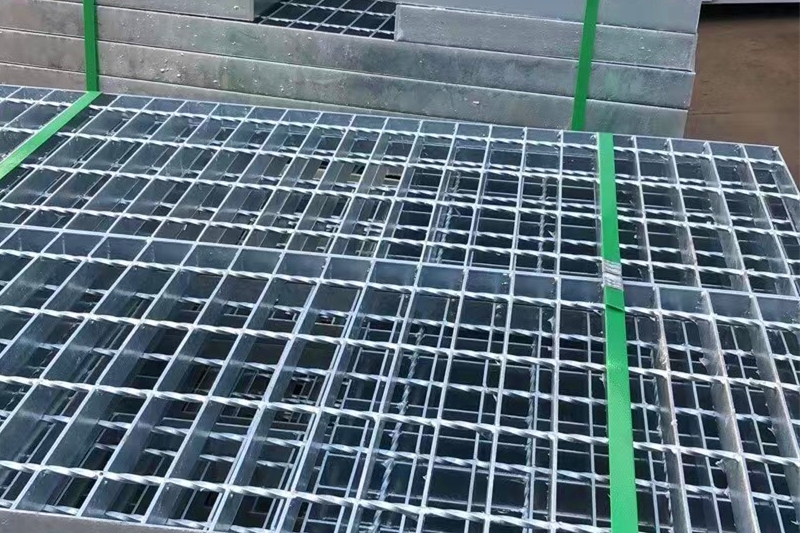
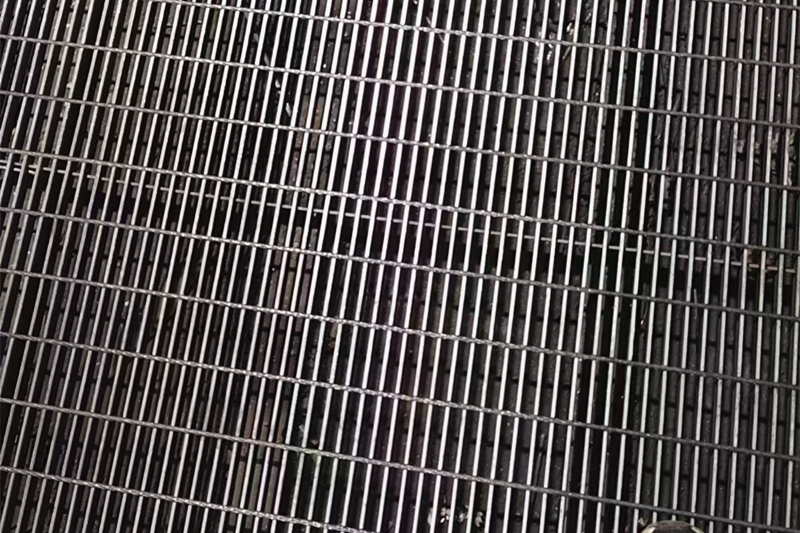
Customization often involves modifying bearing bar height, thickness, or spacing. In slip-prone areas, engineers may specify serrated steel grating to improve anti-slip performance.
- Reduce spacing to increase load capacity
- Increase bar depth for heavy-duty applications
- Select material grade based on environment
- Choose welded or press-locked structure
3. Define Panel Dimensions and Fabrication Details
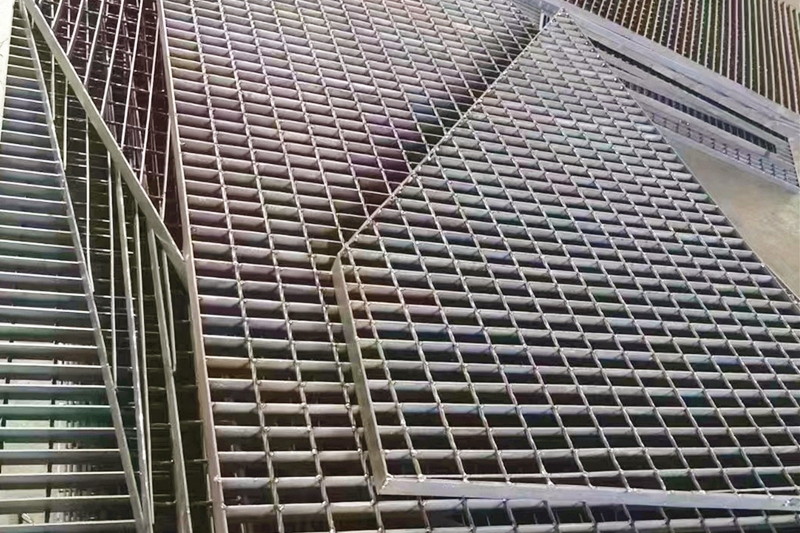
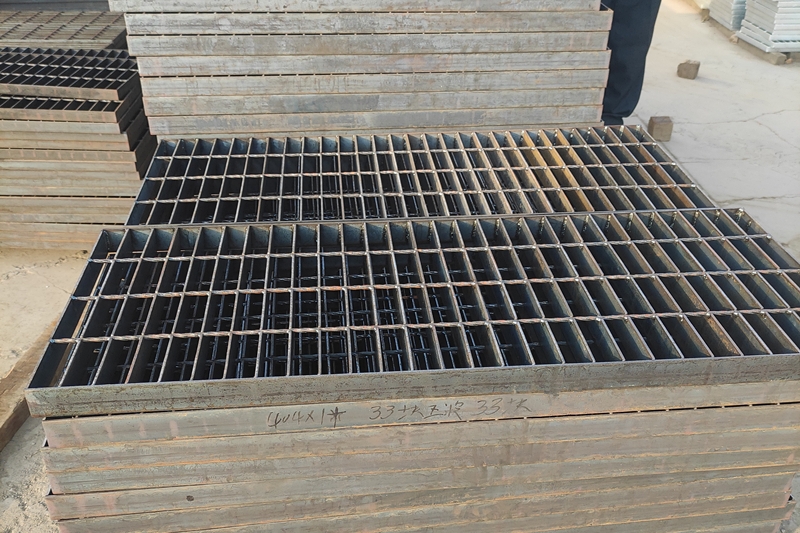
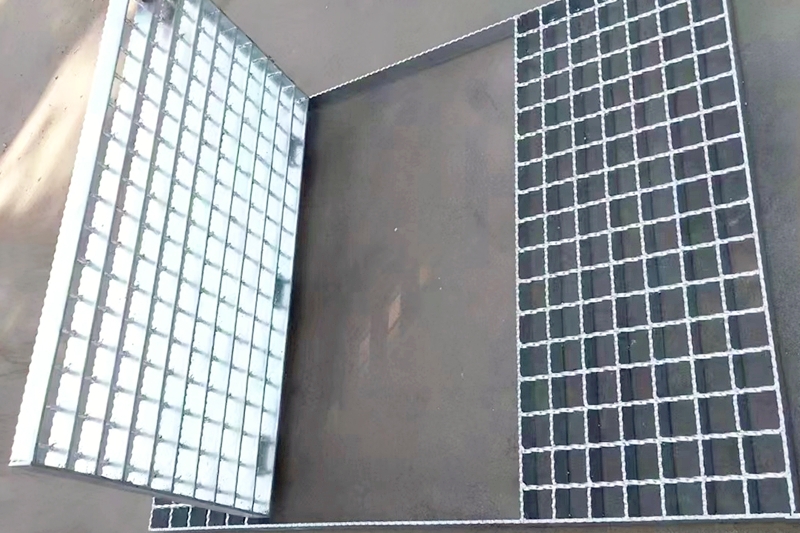
Industrial projects frequently require irregular panel sizes, cut-outs for pipes, or banded edges. Providing accurate drawings reduces on-site modification and installation delays.
- Specify exact panel length and width
- Mark structural openings clearly
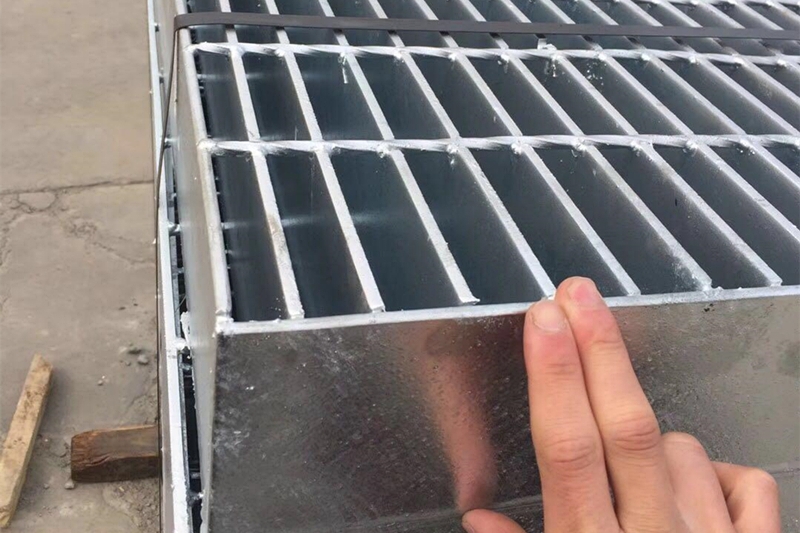
- Confirm edge banding requirements
- Define surface treatment standard
4. Surface Treatment Selection
Hot-dip galvanizing (ASTM A123) remains the most common surface treatment for carbon steel grating. Stainless steel options may be used in highly corrosive environments.
5. Prepare Information for Accurate Quotation
To receive precise pricing from a professional bar grating supplier, provide the following information:
- Specification or drawing file
- Load requirements and span
- Panel dimensions and quantity
- Surface treatment
- Destination port or project country
Clear technical communication ensures faster production scheduling and reduces project risk.
Conclusion
Customizing steel grating involves more than selecting a size. Engineers must evaluate structural load, environmental exposure, fabrication details, and compliance standards. A well-defined specification guarantees long-term safety, cost efficiency, and installation accuracy.