How to Choose Steel Grating for Heavy Load Applications
Selecting steel grating for heavy load environments requires more than choosing a standard specification. Industrial facilities such as power plants, warehouses, and processing factories often demand higher load capacity, reduced deflection, and long-term structural stability.
This guide explains how engineers determine the appropriate grating type for heavy-duty use without over-specifying or increasing unnecessary costs.
1. Understand Load Type and Span
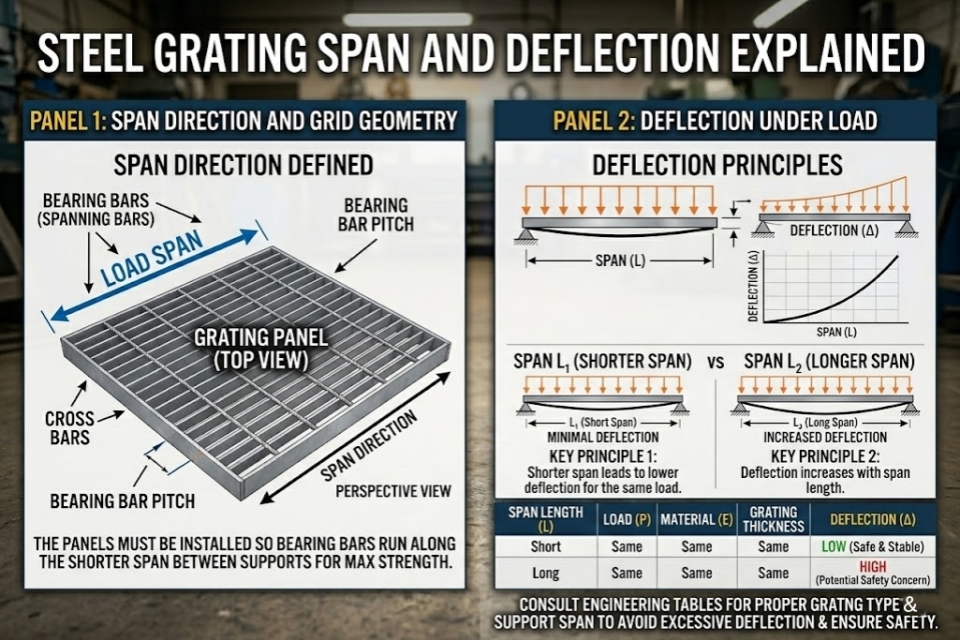
The first step in heavy load selection is identifying whether the load is uniform, concentrated, or dynamic. Forklift traffic, rolling equipment, or heavy maintenance activity require stronger bearing bars compared to pedestrian walkways.
- Confirm uniform load (kN/m²)
- Measure span distance between supports
- Check allowable deflection limits
- Determine safety factor requirements
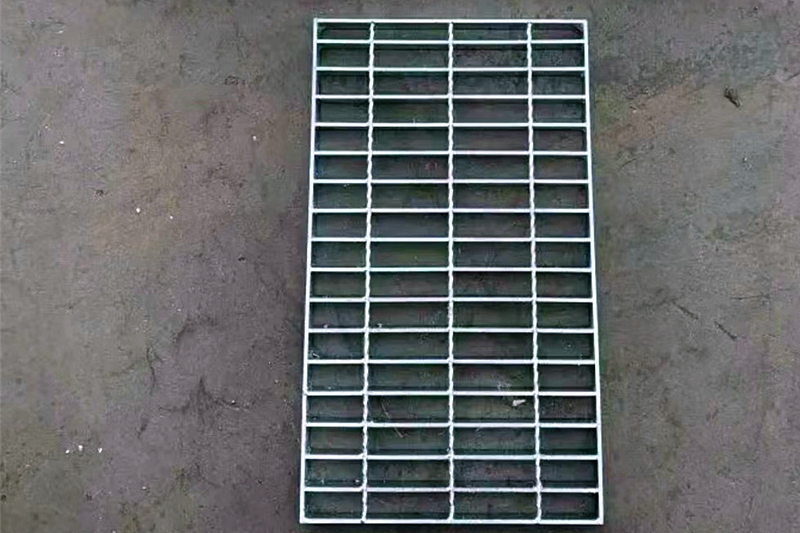
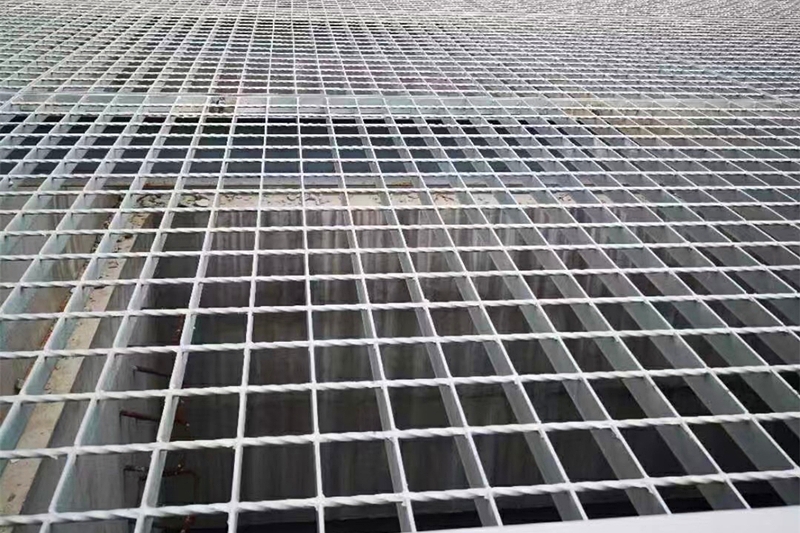
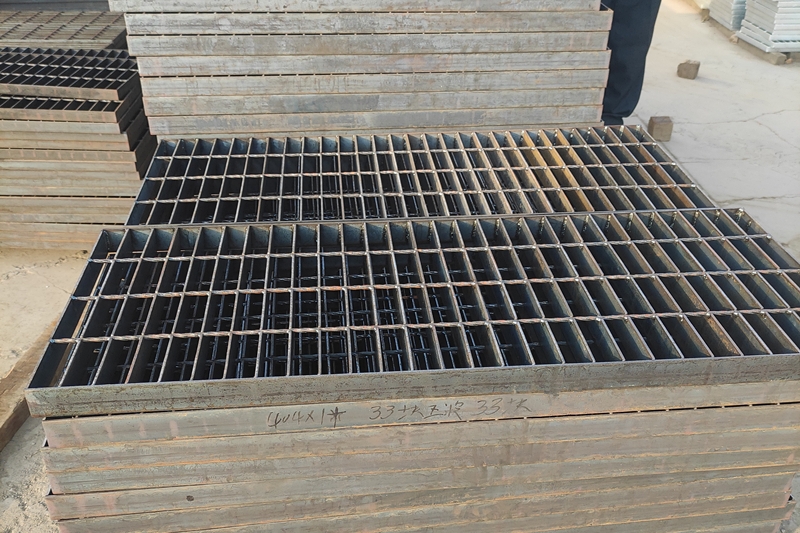
For heavy-duty environments, engineers often select heavy duty steel grating with deeper bearing bars to increase structural capacity.
2. Increase Bearing Bar Depth and Thickness
Load capacity increases significantly when bearing bar height is increased. For example, 30 mm or 40 mm depth bars provide stronger resistance than 25 mm bars under identical spacing conditions.
- Use thicker bearing bars for vehicle traffic
- Reduce spacing to improve load distribution
- Consider 19-W-2 instead of 19-W-4 for higher strength
- Evaluate welded vs press-locked structure
3. Surface Treatment for Industrial Durability
Heavy load areas are often exposed to moisture, oil, or chemicals. Surface treatment must match environmental conditions to prevent corrosion and structural weakening.
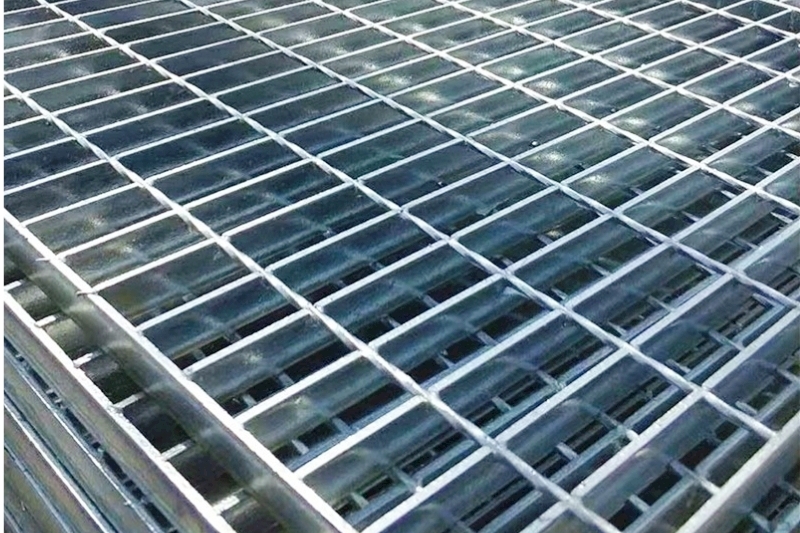
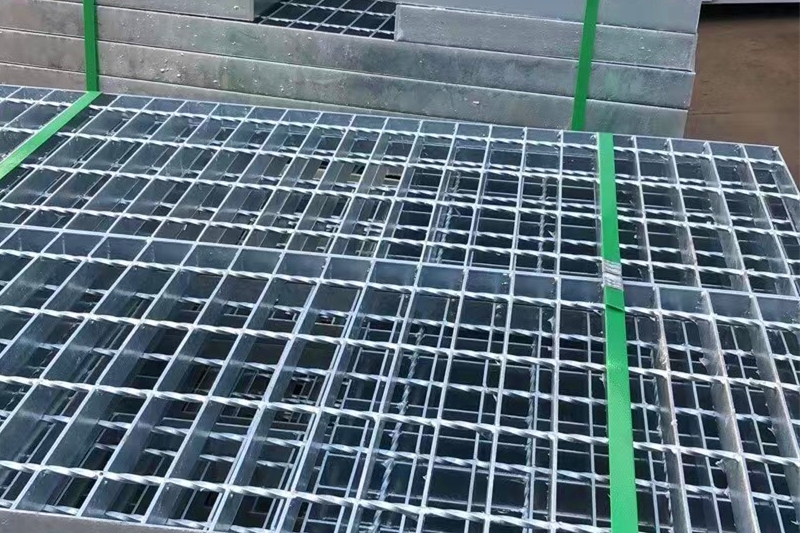
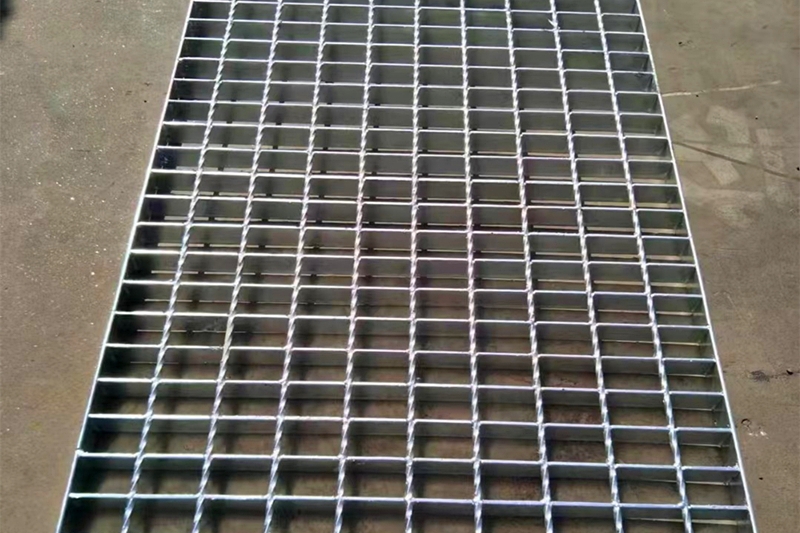
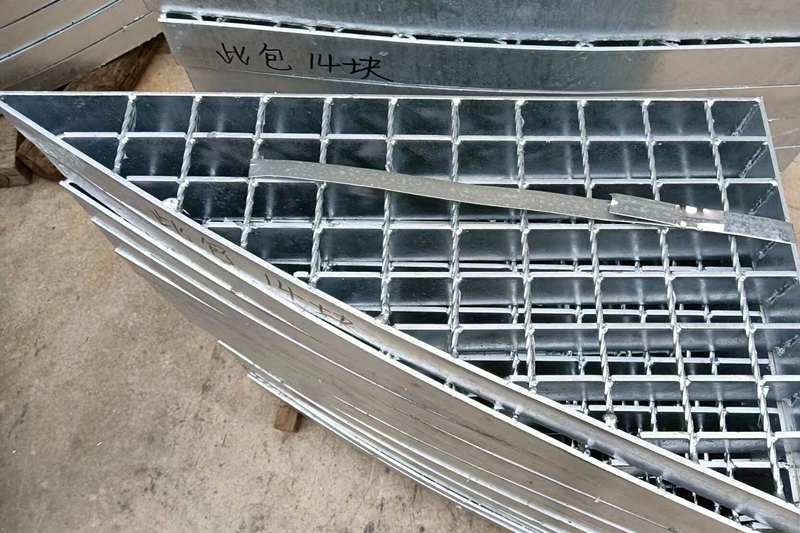
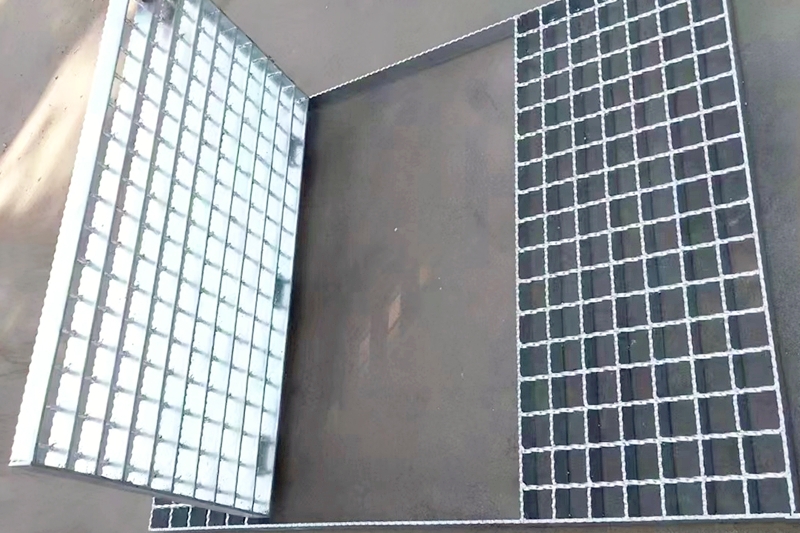
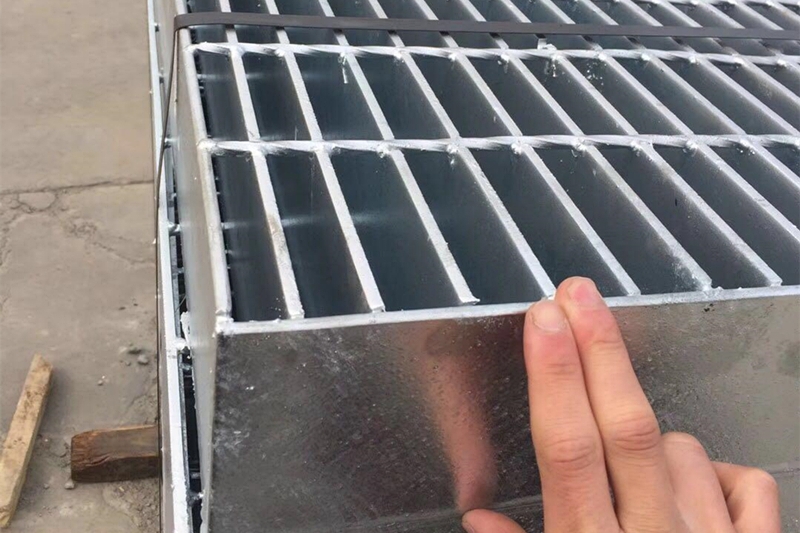
Many industrial projects use galvanized steel grating to ensure long-term corrosion resistance in outdoor or humid environments.
4. Consider Anti-Slip Safety
In high-traffic zones, slip resistance is equally important. Serrated surfaces improve traction and reduce accident risks, especially in wet or oily conditions.
5. Work with an Experienced Manufacturer
Accurate heavy load selection requires engineering review of span, load, and installation method. Consulting a professional Steel Grating manufacturer ensures compliance with ASTM and international standards.
Providing detailed project drawings and load requirements allows manufacturers to recommend the correct specification without overspending on unnecessary material upgrades.
Conclusion
Choosing steel grating for heavy load applications requires balancing load capacity, structural stability, corrosion resistance, and safety performance. Proper engineering evaluation prevents structural failure and ensures long-term durability in demanding industrial environments.