Welded vs Press Locked vs Riveted Grating: Structural Differences Explained
When selecting steel grating for industrial flooring or structural platforms, understanding the manufacturing method is essential.
Different construction systems affect load capacity, appearance, durability, and long-term performance.
This article explains the engineering differences between welded, press locked, and riveted grating systems.
1. Welded Grating Construction
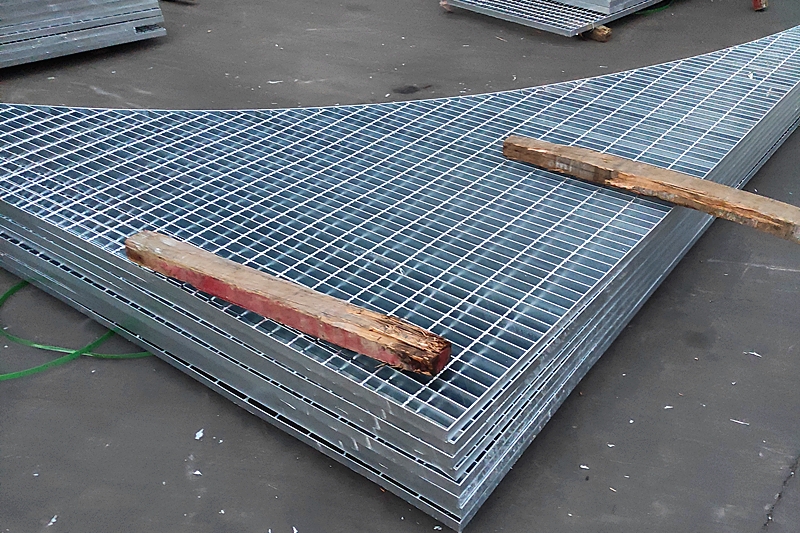
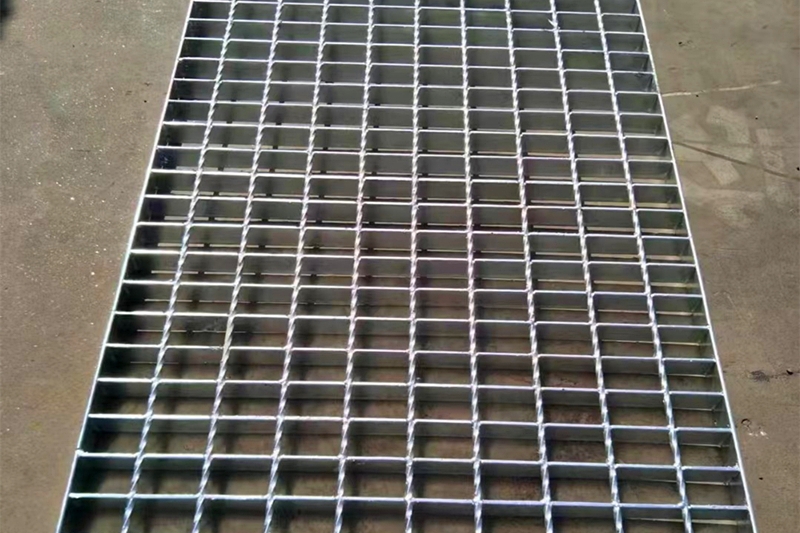
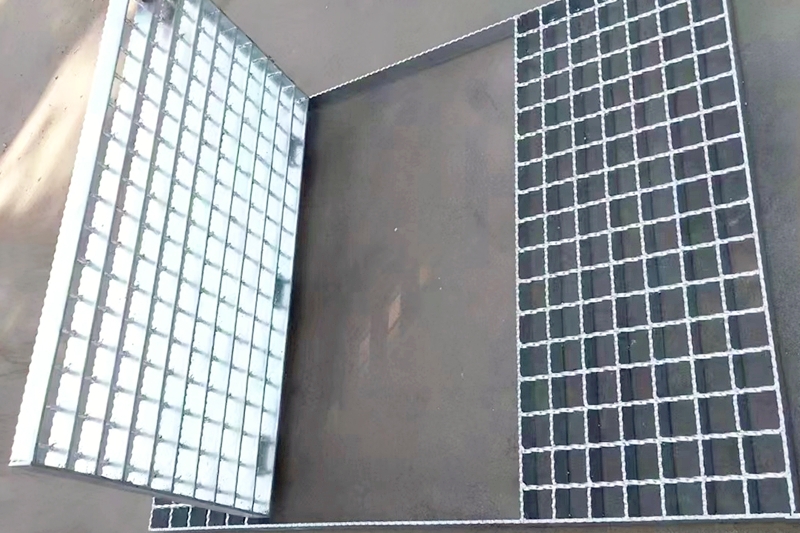
Welded Steel Grating
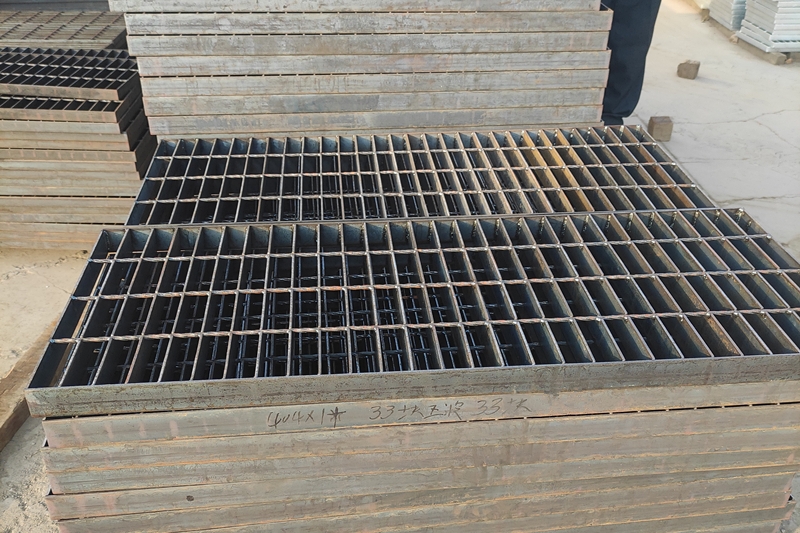
is manufactured by electrically fusing cross bars to bearing bars under high pressure.
This process creates a strong and economical panel widely used in industrial projects.
Most standard
Steel Bar Grating
for platforms and walkways is produced using the welded method due to its structural stability and cost efficiency.
Typical Applications: Industrial flooring, factory walkways, mezzanine platforms.
2. Press Locked Grating System
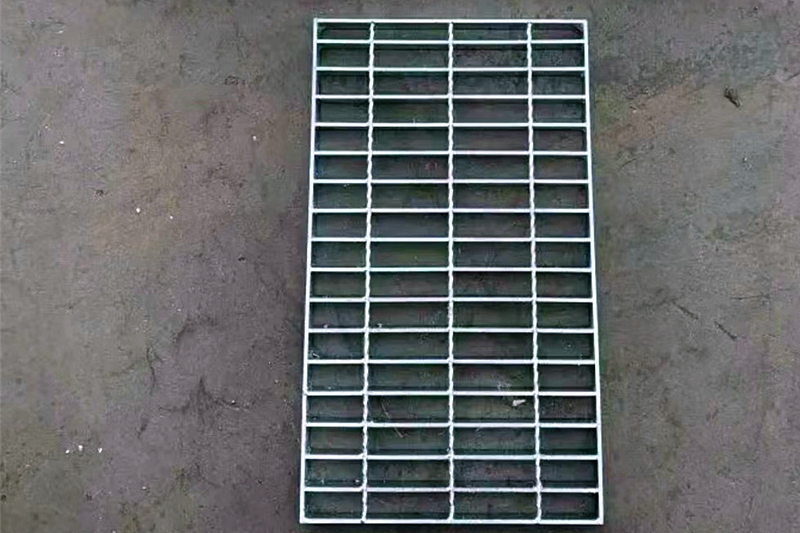
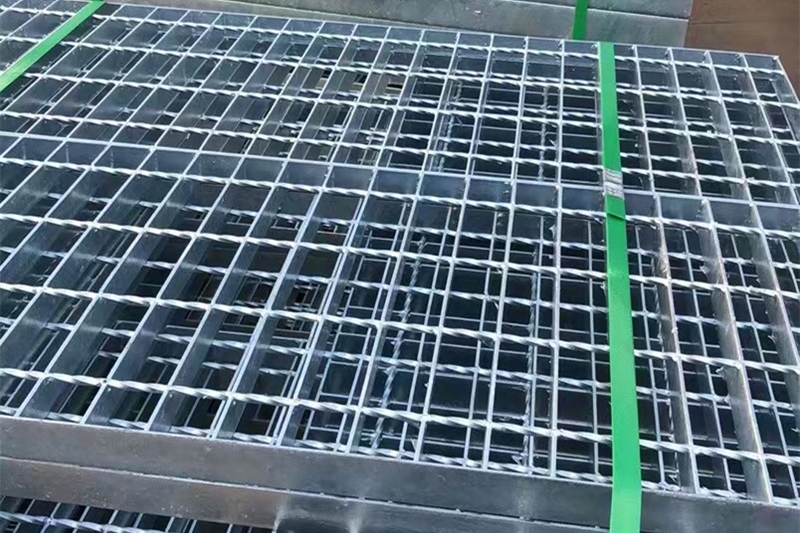
Press Locked Steel Grating
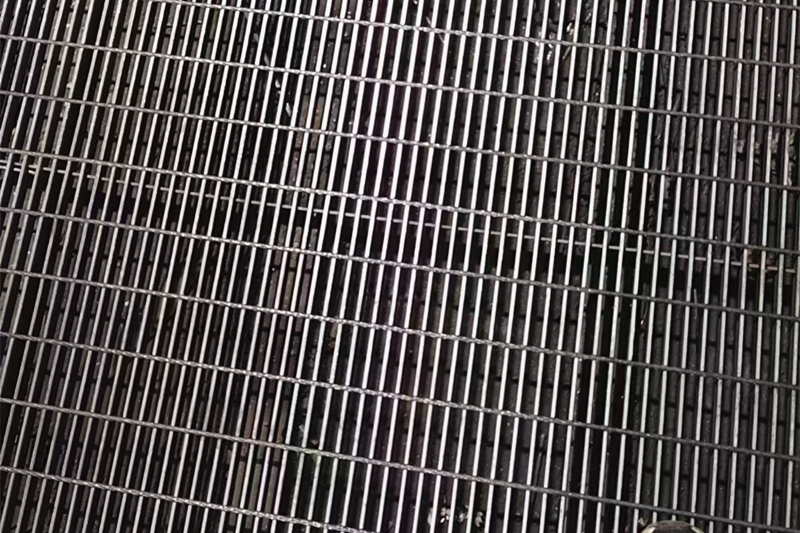
is produced by mechanically pressing cross bars into pre-slotted bearing bars.
Unlike welding, this method forms a flush and smooth surface, providing a clean architectural appearance.
It is commonly used in commercial buildings, public infrastructure, and projects requiring uniform panel alignment.
Typical Applications: Architectural facades, ventilation covers, pedestrian walkways.
3. Riveted Bar Grating Structure
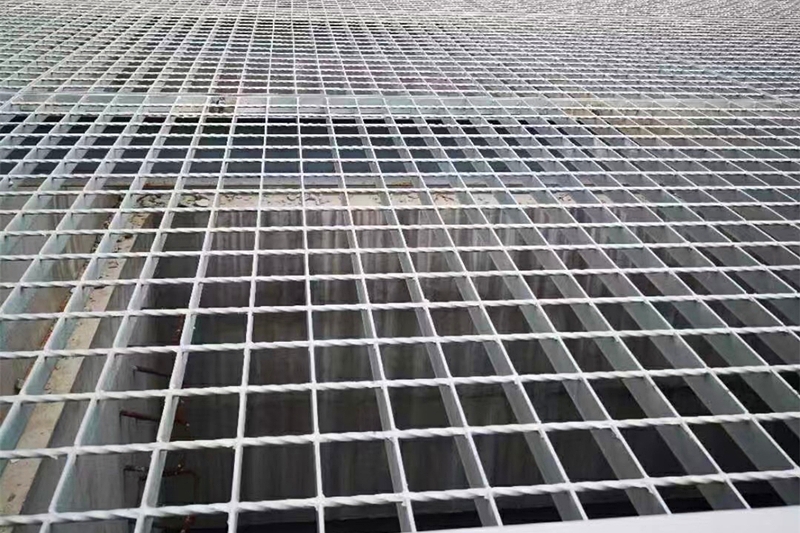
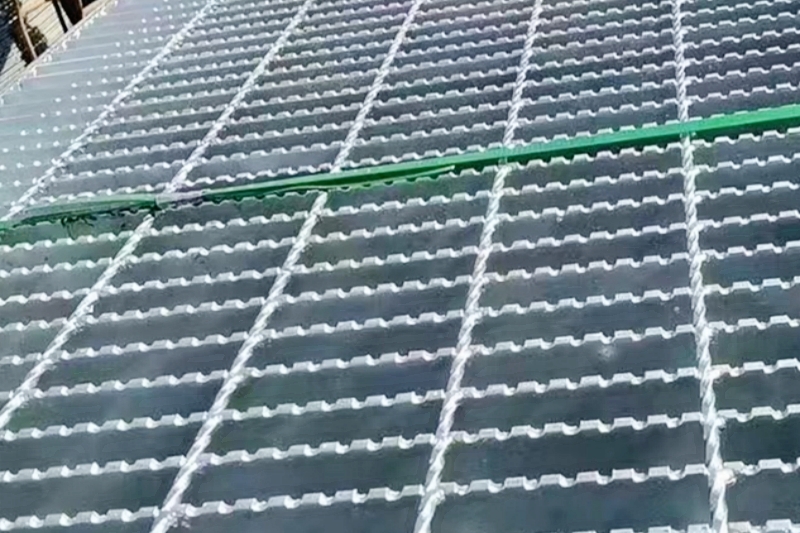
Riveted Bar Grating
uses rivets to mechanically connect bent cross bars to bearing bars.
This construction delivers superior resistance to dynamic loads and vibration.
Riveted systems are often specified for bridges and heavy traffic environments where impact strength is critical.
Typical Applications: Bridges, heavy-duty transport areas, high vibration zones.
4. Load Performance Comparison
- Welded: Strong static load performance with economical pricing.
- Press Locked: Moderate load strength with enhanced aesthetics.
- Riveted: Highest dynamic load resistance and structural durability.
For projects requiring reinforced performance,
Heavy Duty Steel Grating
with thicker bearing bars is recommended.
5. Surface Protection & Corrosion Resistance
Regardless of construction type, corrosion protection is essential in outdoor installations.
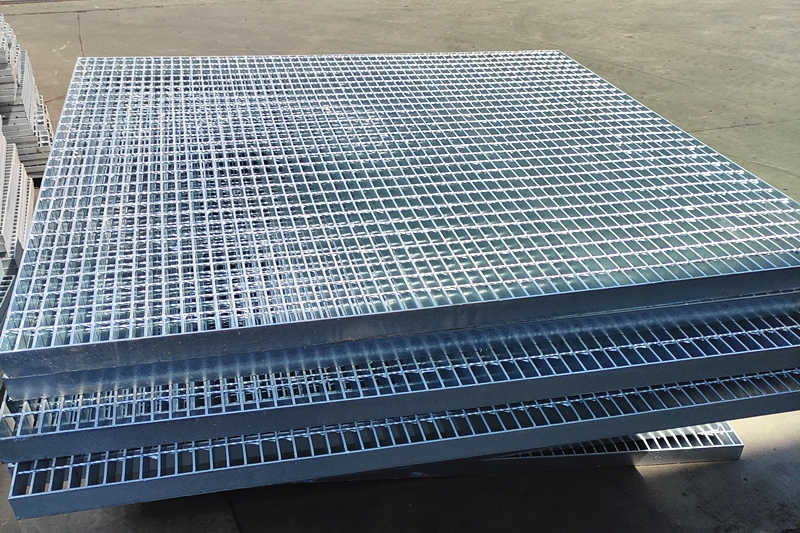
Most industrial applications use
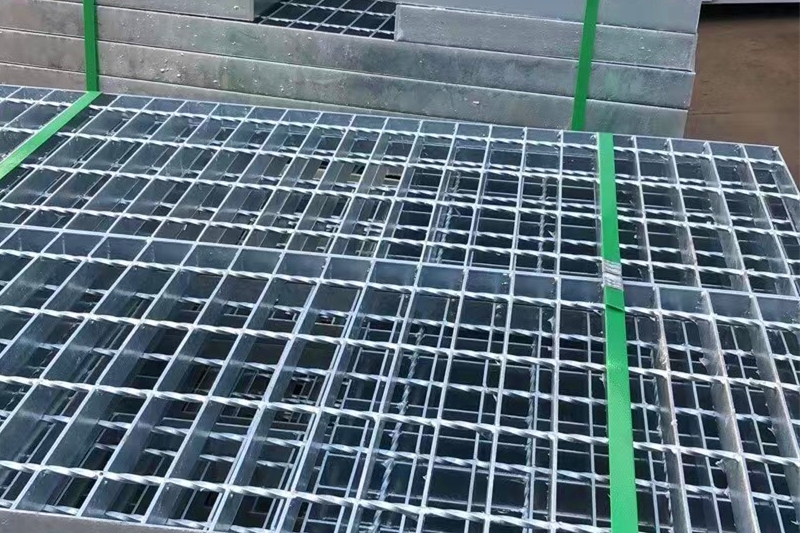
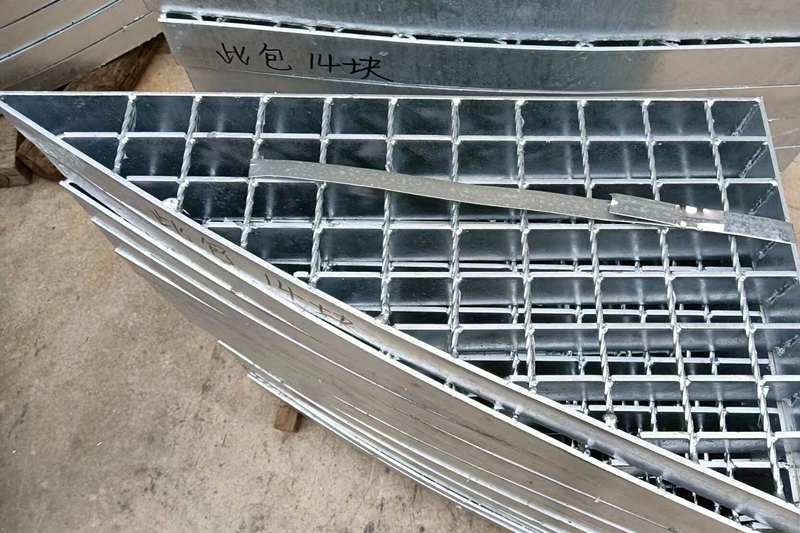
Galvanized Steel Grating
to ensure long-term durability in harsh environments.
Conclusion
Choosing between welded, press locked, and riveted grating depends on load requirements, aesthetic expectations, and environmental exposure.
Understanding these structural differences allows engineers and contractors to select the most suitable grating system for their projects.