 English



 English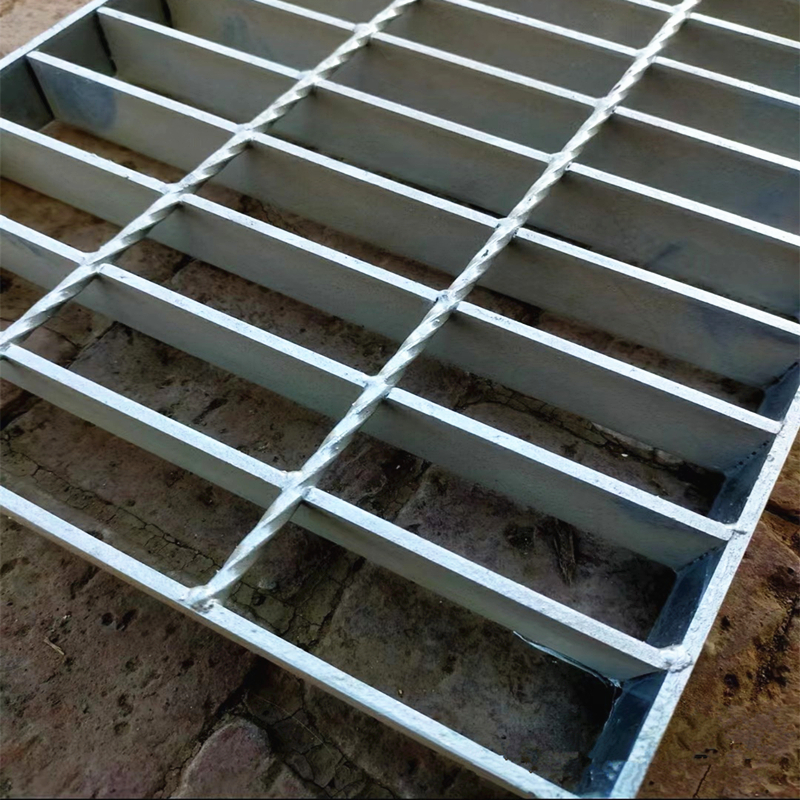
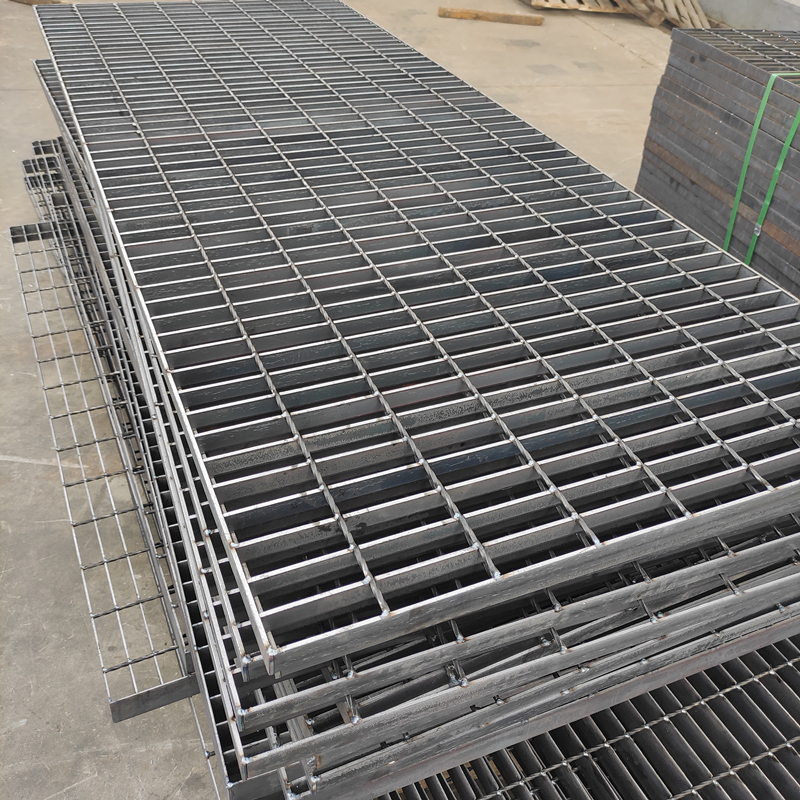
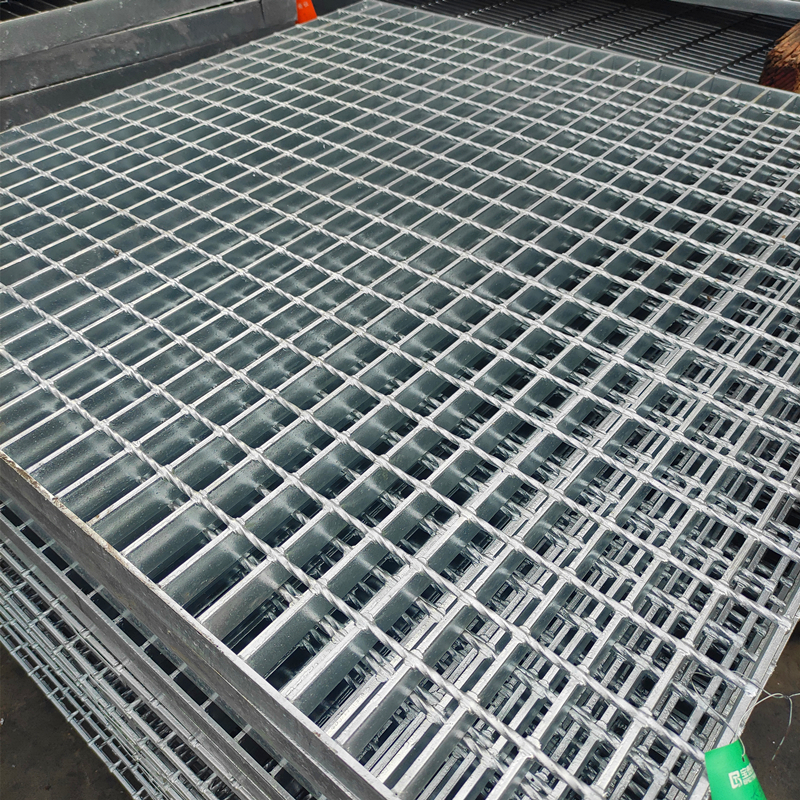
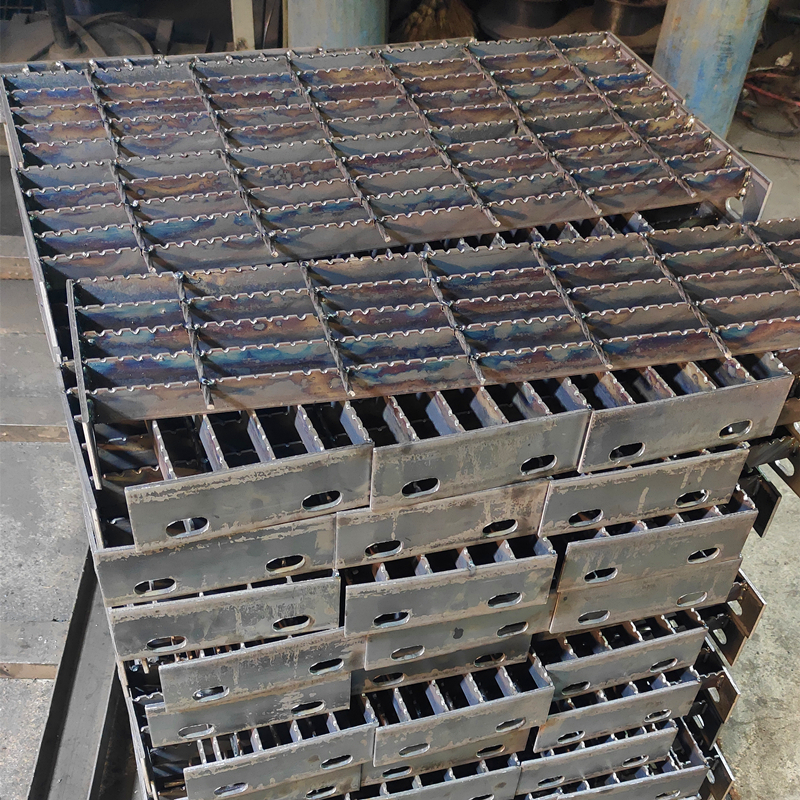
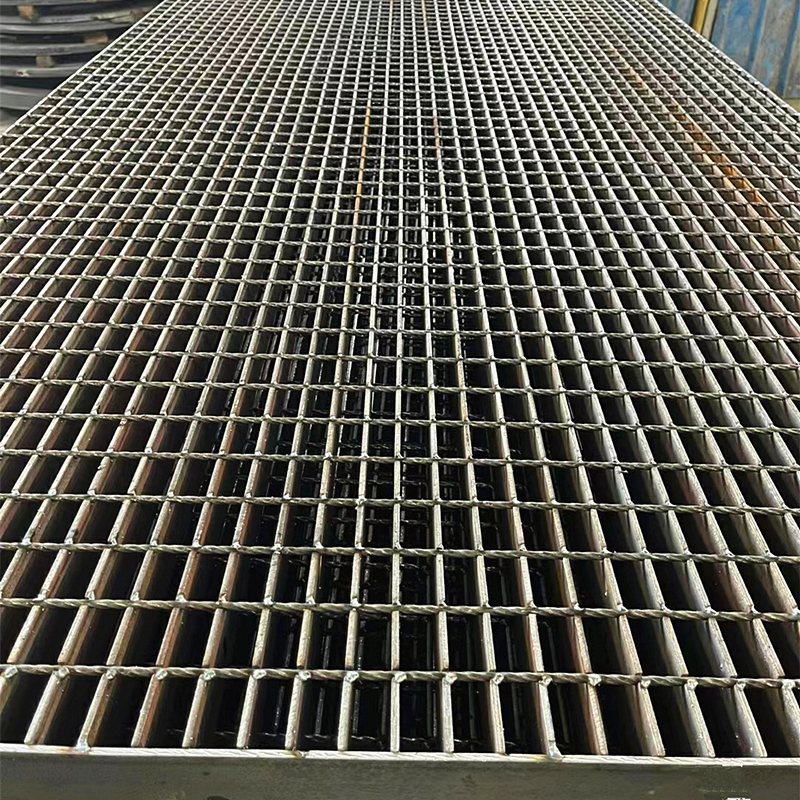
Welded steel grating is the most widely specified grating type for industrial flooring, offering high load capacity, structural rigidity, and long-term durability in demanding environments. This type of welded steel grating is manufactured using automated resistance welding, where cross bars are permanently fused into bearing bars under high pressure and electrical current.
Compared with other fabrication methods, welded steel grating delivers superior joint strength and consistent load distribution, making it the preferred solution for industrial platforms, walkways, and drainage systems. Standard production supports large-scale supply with stable quality and precise dimensional control for global engineering projects.
Welded steel grating is a type of steel bar grating formed by resistance welding cross bars into load-bearing flat bars at precise spacing intervals.
This manufacturing method produces a permanent joint between bars, resulting in a high-strength grid structure widely used in industrial flooring systems.
Compared with other fabrication types, welded steel grating offers:
It remains the most commonly used grating type across global industrial projects.
Production of welded steel grating follows an automated resistance welding process:
Heavy-duty automatic resistance welding machines ensure consistent weld penetration and uniform load distribution across all bearing bars.
This controlled process delivers:
Compared with press locked steel grating, welded steel grating provides stronger joint fixation and is better suited for heavy-duty applications.
Welded steel grating specifications are defined based on load requirements and span conditions.
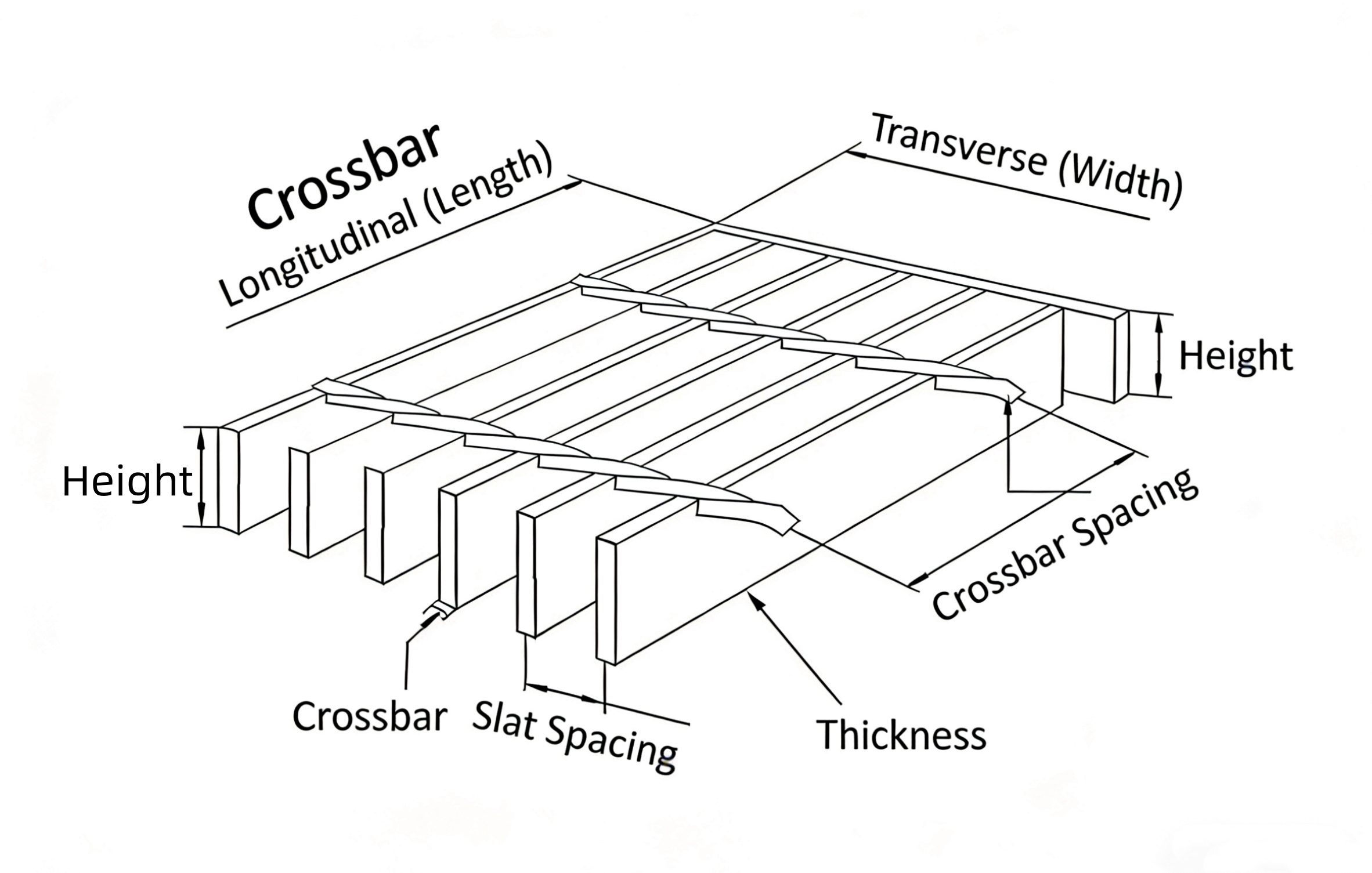
| American Standard | China Standard | Bar Spacing (C-C) |
|---|---|---|
| 11-W-4 | G17/100 | 17.1 x 101.6 mm |
| 13-W-4 | G20/100 | 20.3 x 101.6 mm |
| 15-W-4 | G25/100 | 23.8 x 101.6 mm |
| 19-W-4 | G30/100 | 30.16 x 101.6 mm |
| 22-W-4 | G35/100 | 35.1 x 101.6 mm |
| 25-W-4 | G40/100 | 40.0 x 101.6 mm |
Not sure which specification fits your project? Send drawings or load requirements for quick conversion and quotation.
Welded steel grating is engineered for heavy-duty applications where structural performance is critical.
For higher load requirements, refer to heavy duty steel grating.
Welded steel grating provides superior structural rigidity compared to mechanical locking systems, especially under high vibration and dynamic load conditions.
This makes welded steel grating suitable for heavy industrial and infrastructure environments.
Welded steel grating is widely specified in engineering projects where structural strength, durability, and drainage performance must be balanced under real operating conditions.
Designed for continuous load-bearing under heavy equipment and operational traffic.
Frequently applied with heavy duty steel grating to maintain structural stability across larger spans.
Suitable for corrosive and high-risk environments where both strength and surface safety are required.
Serrated surface options improve anti-slip performance in oily or chemical-exposed areas.
Used in maintenance platforms and elevated structures exposed to thermal stress and dynamic loads.
Welded steel grating maintains stable performance where vibration resistance is critical.
Applied in access walkways and integrated drainage layouts across industrial facilities.
Commonly paired with trench drain grates for efficient water discharge and safe footing.
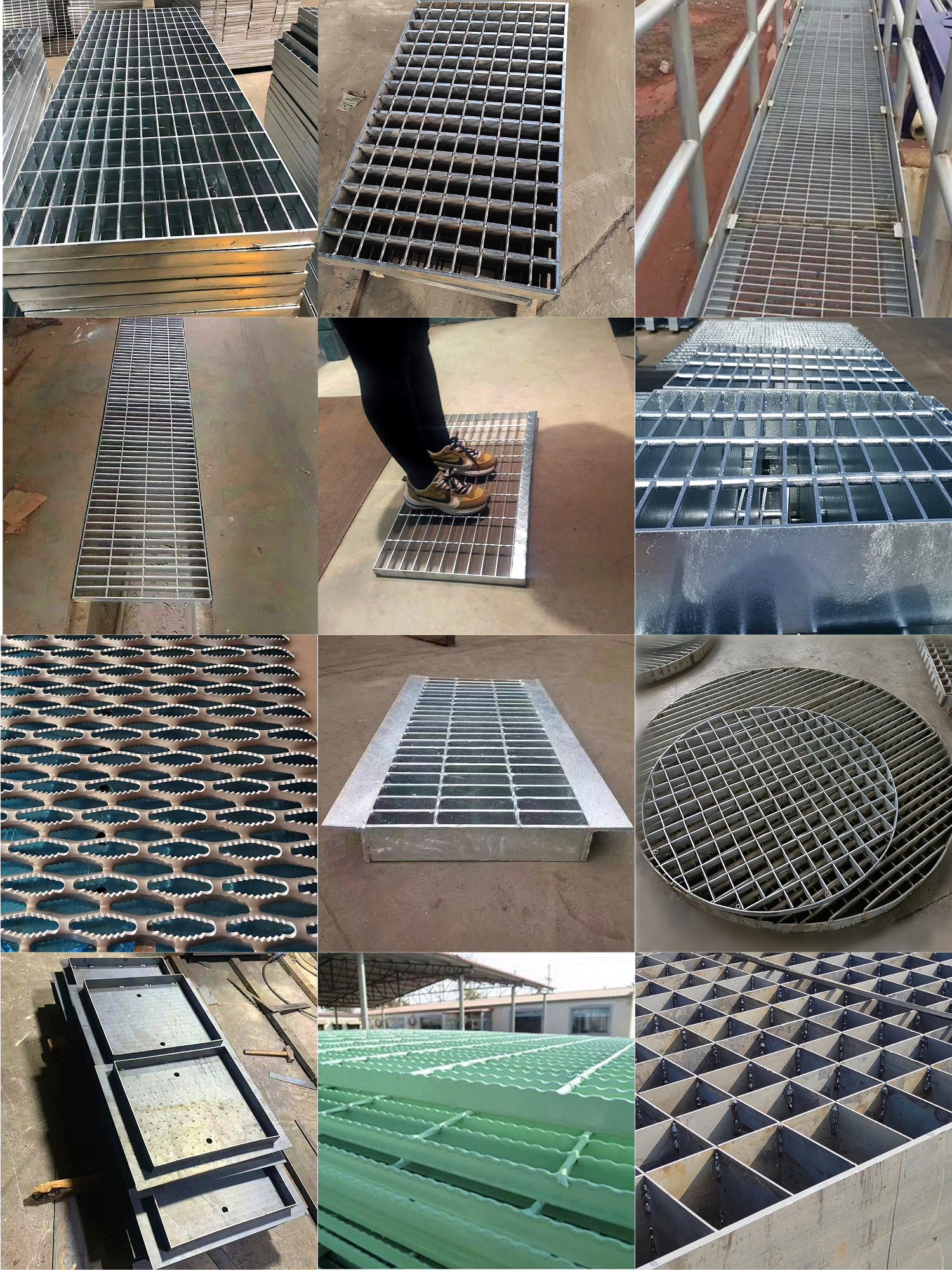
Surface configurations of welded steel grating can be adapted for safety-critical environments.
Available options include:
Welded steel grating supports full customization based on project requirements.
Project-specific solutions available with custom steel grating.
Welded steel grating allows fast and secure installation.
Compatible accessories:
Each batch of welded steel grating is verified through a controlled inspection process:
Third-party inspection available (SGS / BV) for export projects.
Seaworthy packaging is applied to welded steel grating for long-distance transportation:
Products arrive flat, intact, and ready for installation.
Welded steel grating produced through automated production lines ensures:
Welded steel grating is widely used in industrial and infrastructure projects requiring strength, durability, and cost efficiency.
Fast turnaround on drawings and pricing helps keep projects on schedule.
After perforation, especially for plates with very dense hole patterns, the perforated metal sheets will experience significant deformation. We perform flattening treatment after completing all perforation processes. Below is the video of flattening perforated metal sheets:
After the leveling process, our perforated metal sheets can be precisely laser-cut into any custom shape as required. Below is a production video demonstrating the laser-cutting process:
Below are some real-scene displays of our factory
Perforated Metal Sheet Automated Production Workshop Live Footage
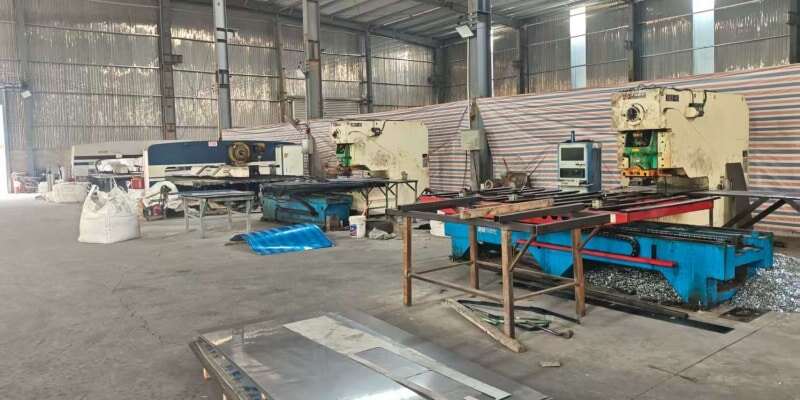 Factory workshop
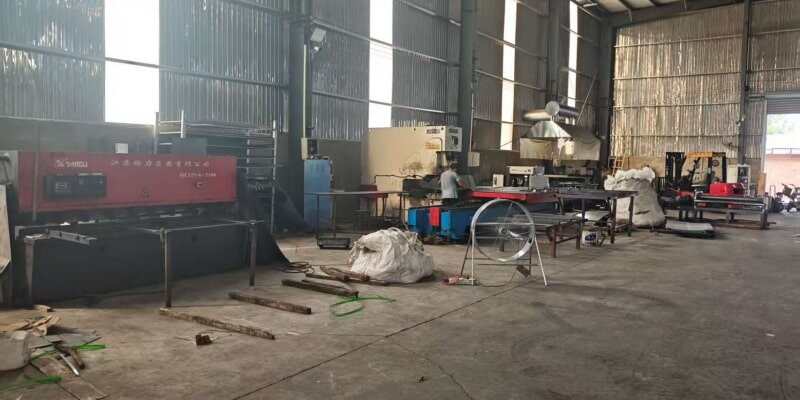 Factory workshop
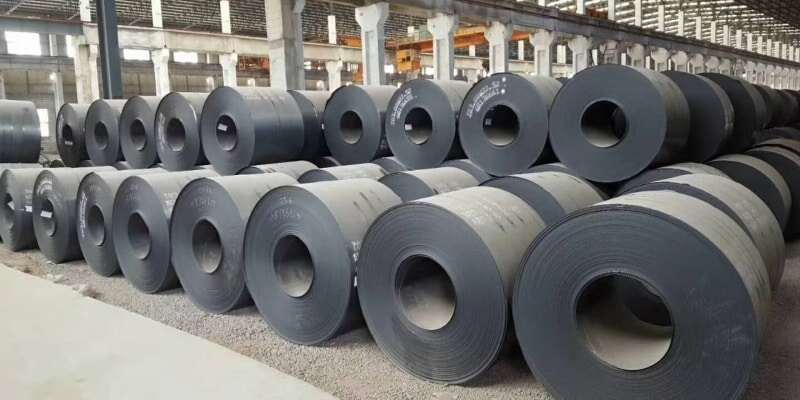 Raw materials
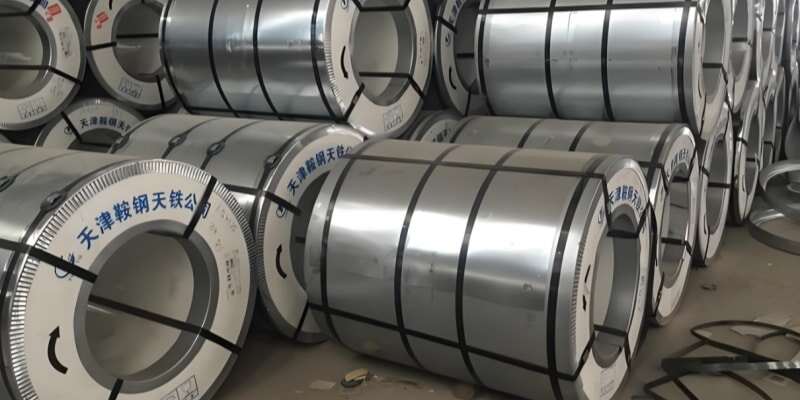 Raw materials
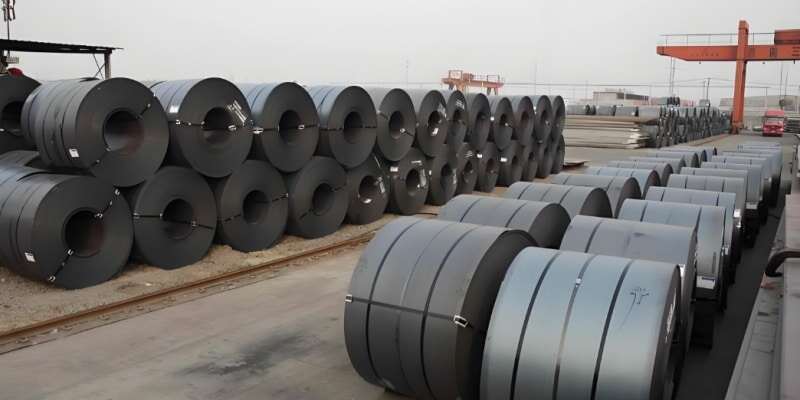 Raw materials