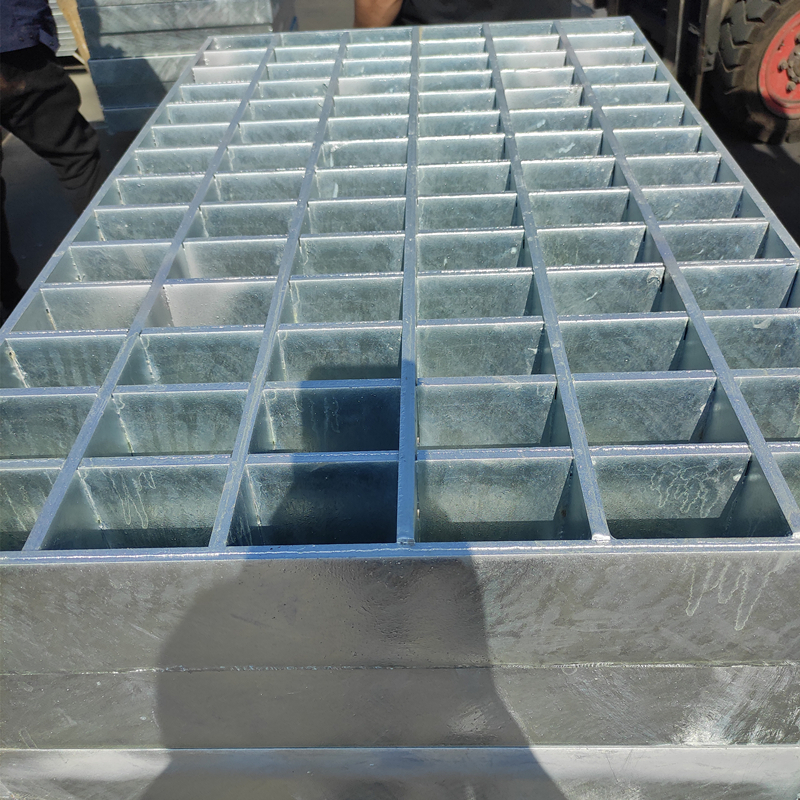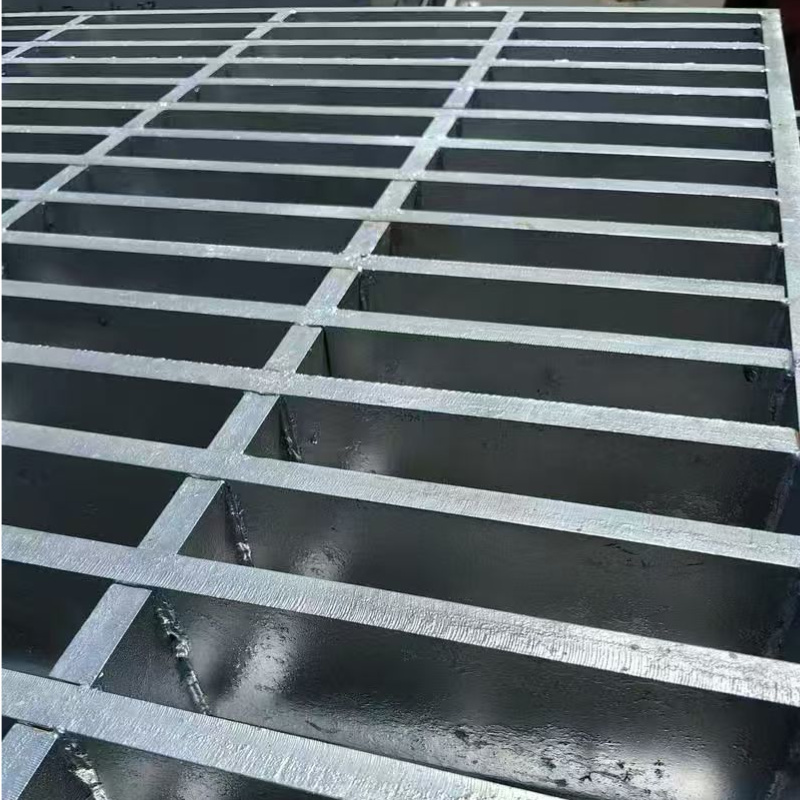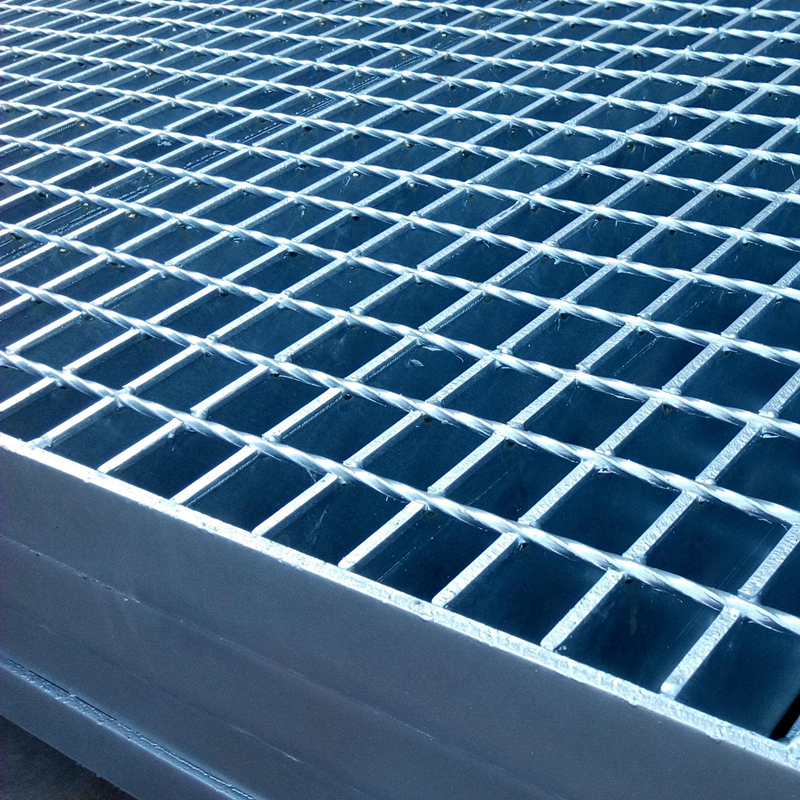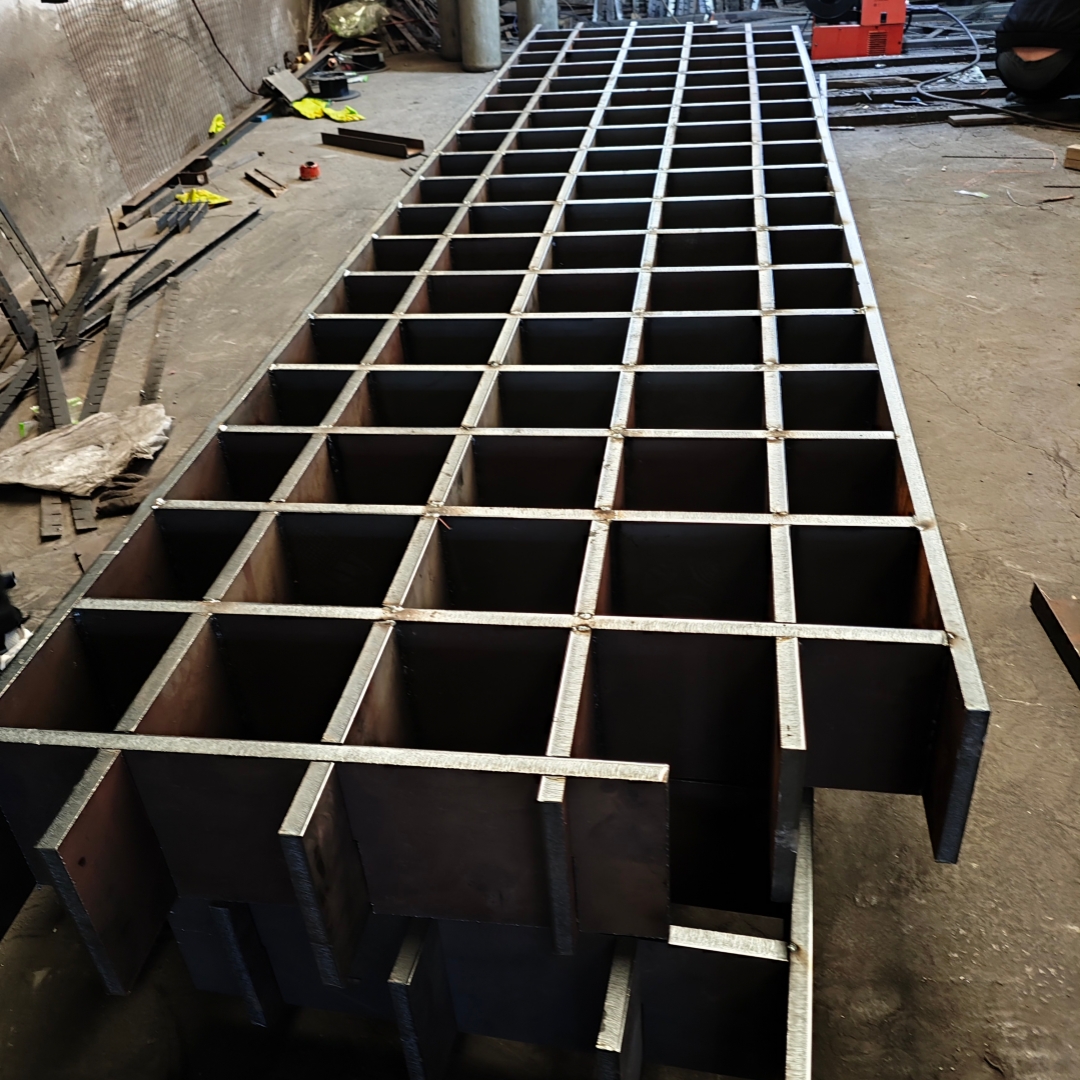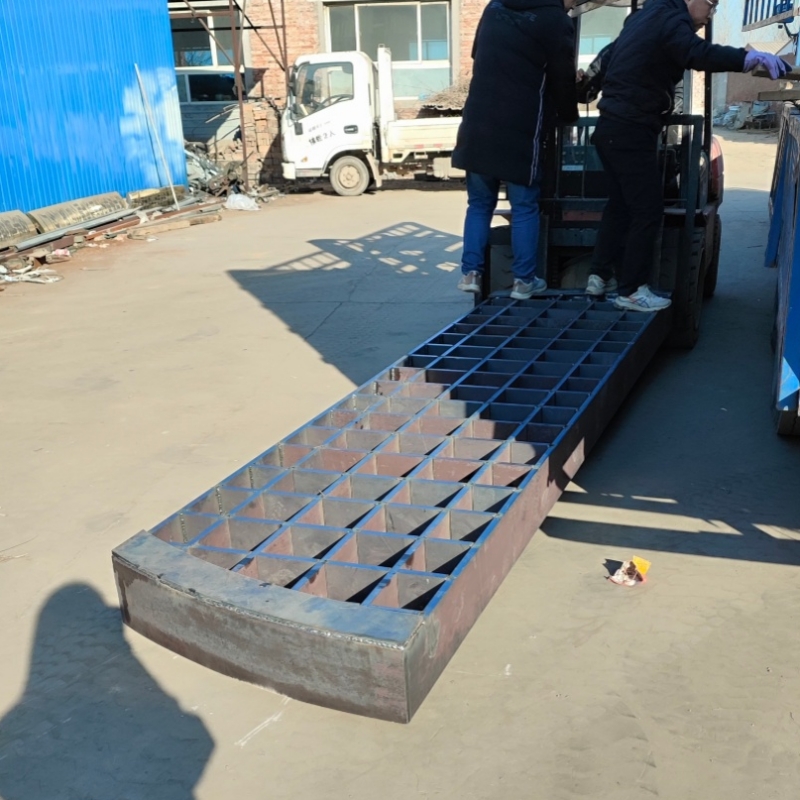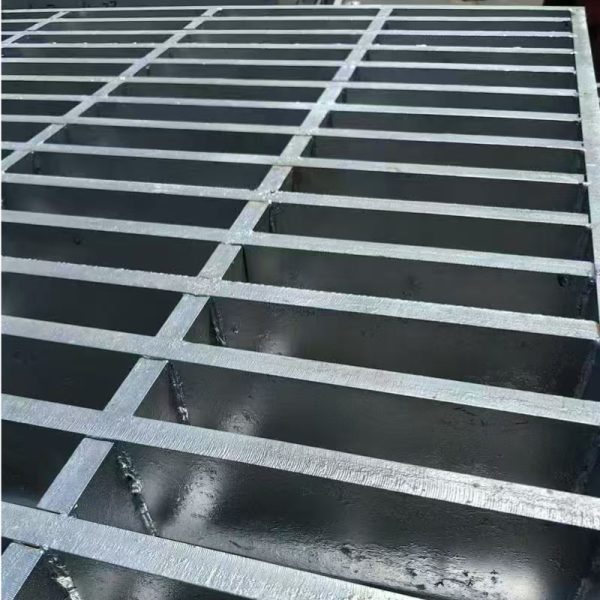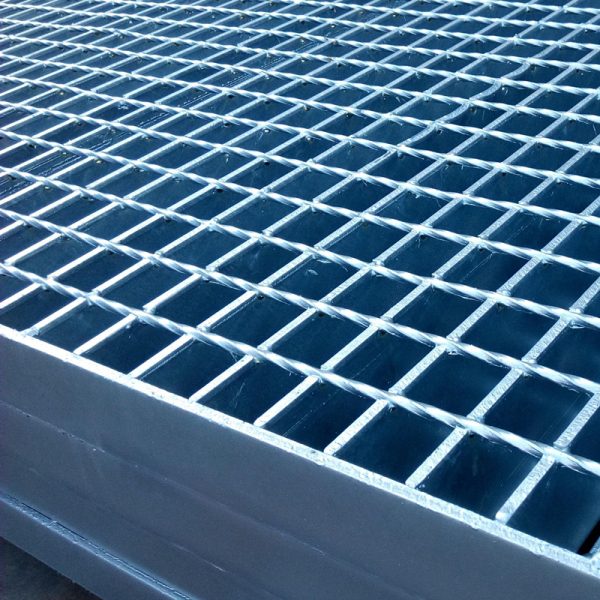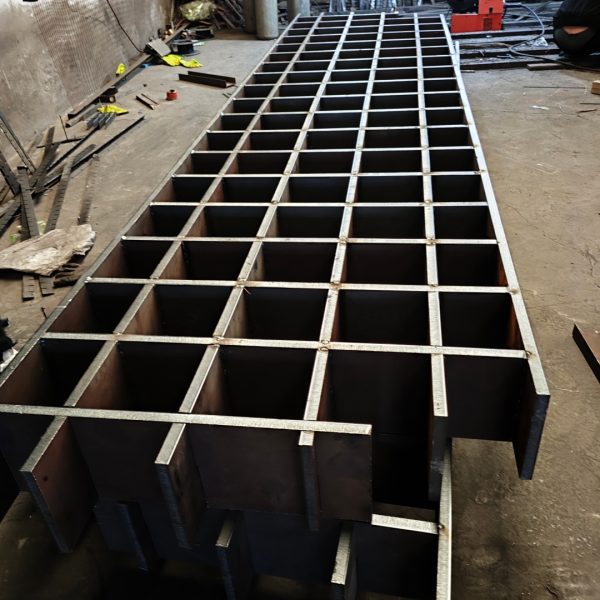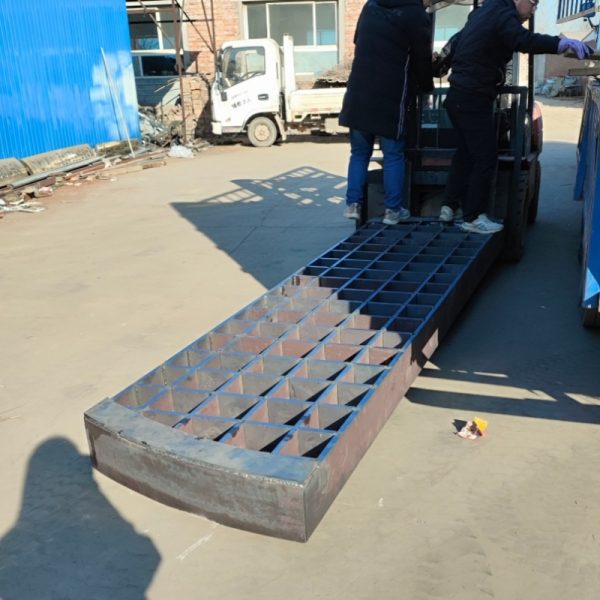









When vehicle traffic is involved, grating is no longer a surface product—it becomes part of the structure.
Forklifts, container trucks, and service vehicles introduce dynamic load, not static weight.
Each pass applies impact, braking force, and repeated stress cycles.
Standard grating typically fails in two ways:
Heavy duty steel grating is built to prevent both.
It is configured for traffic-rated conditions, where structural performance must remain stable over time—not just at installation.
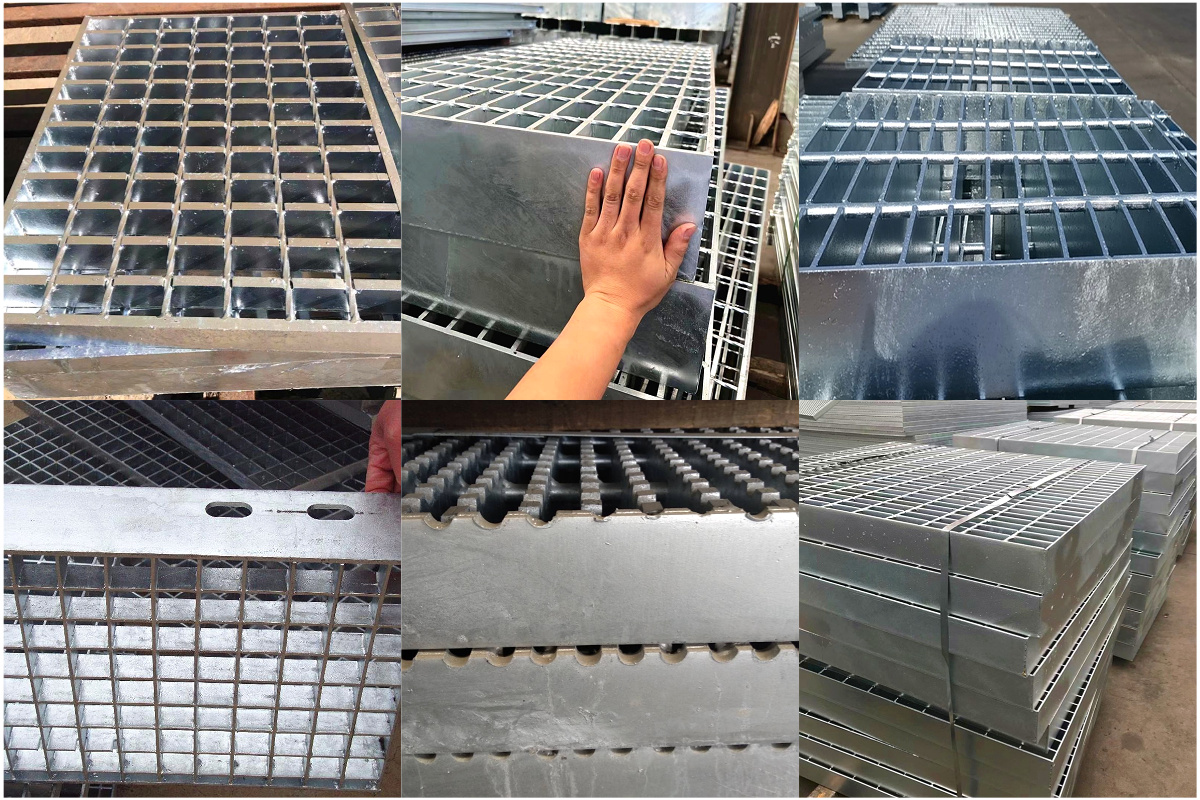
The difference is not a single parameter. It is the combination:
Most configurations are manufactured as
→ [Welded Steel Grating]
because full welding ensures load transfer between bars without mechanical slip.
Compared with standard
→ [Steel Bar Grating],
this is a high-load steel grating system, not a heavier version of the same product.
Heavy duty panels are designed to carry vehicle traffic loads without permanent deformation.
If axle loads are repeated over time, structural fatigue becomes critical.
This is where extra heavy duty grating outperforms standard designs.
Dock and airport environments introduce:
A properly designed traffic-rated grating must resist both mechanical fatigue and environmental degradation.
For this reason, most projects require
→ [Galvanized Steel Grating]
Hot-dip galvanizing protects weld joints and cut edges, which are the most vulnerable under stress.
Under heavy equipment loads, the critical factor is not just strength—it is deflection control.
If deflection exceeds limits, even high-strength steel becomes unsafe in service conditions.
| Bearing Bar Size (mm) | Thickness (mm) | Spacing (mm) | Recommended Span (mm) | Load Level |
|---|---|---|---|---|
| 50 × 5 | 5 | 30 / 100 | ≤ 1000 | Medium-heavy |
| 60 × 6 | 6 | 30 / 100 | ≤ 1200 | Heavy |
| 75 × 8 | 8 | 30 / 100 | ≤ 1500 | Very heavy |
| 100 × 10 | 10 | 30 / 100 | ≤ 1800 | Extra heavy duty |
Material: Carbon Steel
Fabrication: Welded
Surface: Hot-Dip Galvanized (recommended)
Custom load design and heavy-duty steel grating specifications available upon request.
We provide load calculation based on:
In dock infrastructure, grating is often integrated into
→ [Trench Drain Grates]
Here, container trucks apply repeated axle loads.
If the grating is not traffic-rated, deformation occurs long before corrosion becomes visible.
For runway and service areas:
Because drainage failure directly impacts operations, load performance is not optional.
Grating must remain stable under uneven loading conditions.
In plant environments, loading is unpredictable:
In these conditions, extra heavy duty grating is used as a structural component, not just flooring.
Even properly designed grating will fail if installation is incorrect.
Use
→ [Grating Clips & Fasteners]
to secure panels against movement under vehicle load.
If panels shift:
Installation is part of the engineering system.
As a
→ steel grating manufacturer
we do not only supply panels.
We work from load requirements backward:
Most importantly, we provide load-based design support.
Because for heavy-duty applications, choosing the wrong specification is not a minor issue—it is a structural risk.
If your project includes:
Send your:
We will provide:
our heavy duty steel grating production process
high-load applications steel grating
Take a closer look at our heavy duty steel grating production process, from thick bearing bar preparation and welding to finishing and load inspection.
Heavy Steel Grating Detail Display Video
This traffic-rated grating is designed for high-load applications such as docks, airports, truck terminals, and industrial platforms, ensuring strength, durability, and long service life.
Custom Heavy Duty Steel Grating Products


Contact us today for custom extra heavy duty grating specifications and a factory-direct quotation.