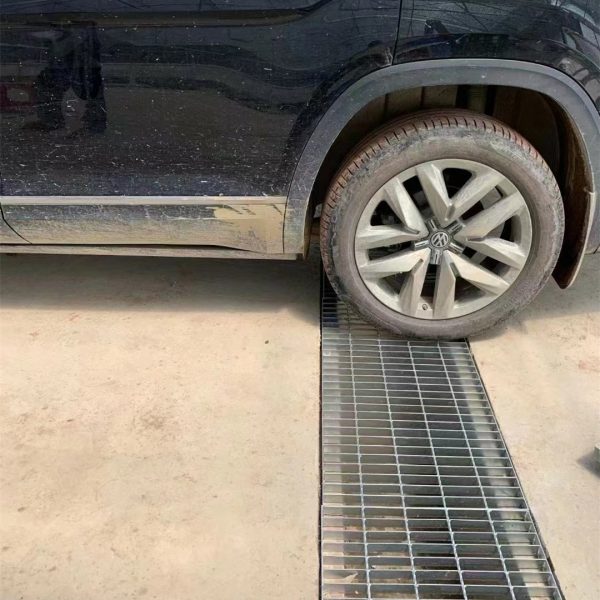
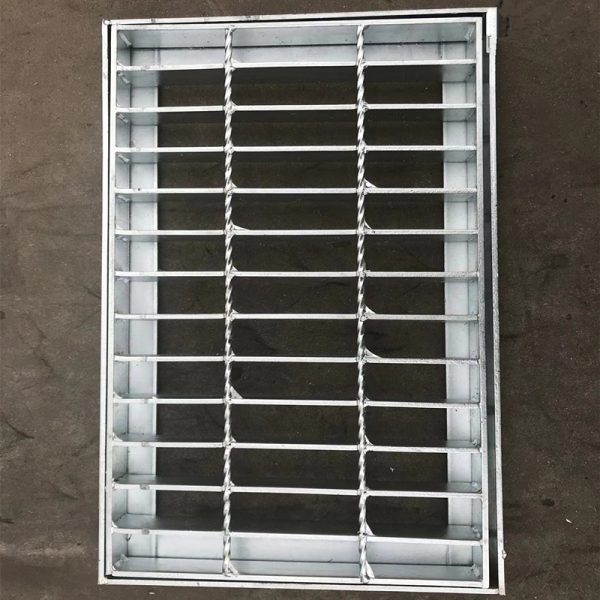
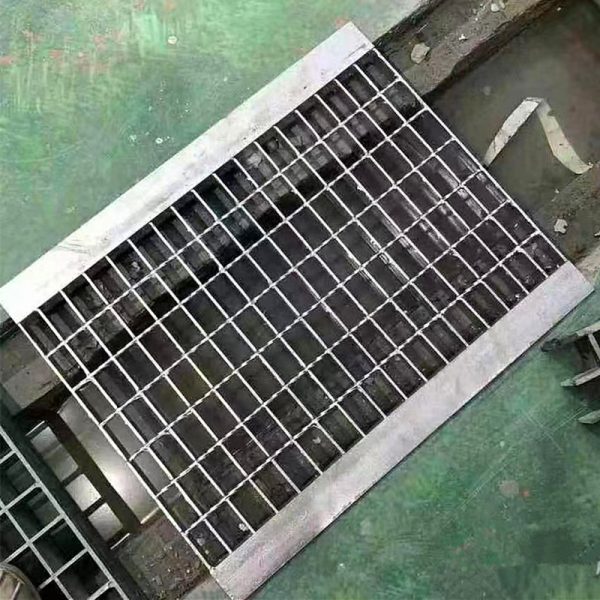
Tell:+86 131 6555 8910(WhatsApp/WeChat)
logo

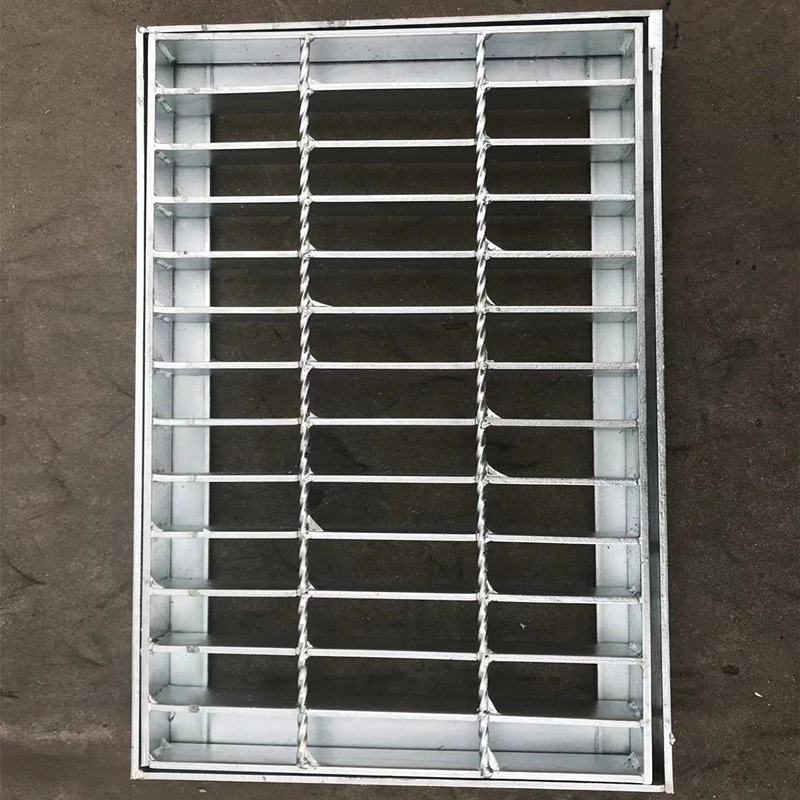
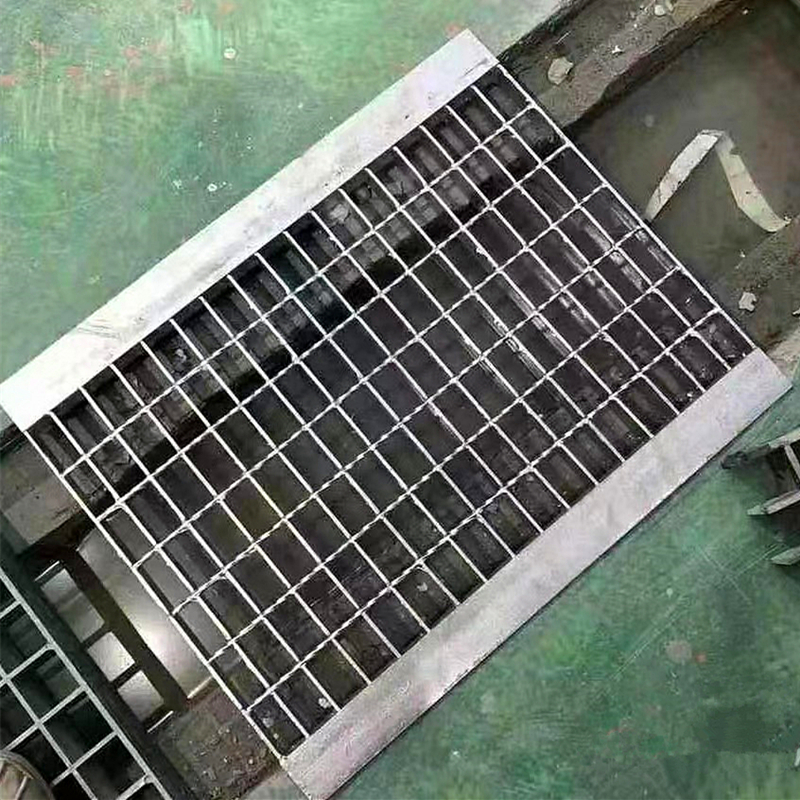
Trench Drain Grates

Additional information

Material Options

Mild Steel (Carbon Steel), Stainless Steel (304/316)

Bearing Bar Size

25×5mm, 30 ×3mm, 40×3mm, 40×5mm, 50×5mm, 60×5mm (Custom sizes available).

Bearing Bar Spacing

30mm, 40mm, 50mm.

Cross Bar Spacing

50mm, 100mm.

Surface Treatment

Hot-Dip Galvanized (HDG), Powder Coated, Painted, or Untreated (Mill Finish).

Surface Profile

Plain (Smooth), Serrated (Non-slip), or I-Bar.

Panel Dimensions

Width: 200-1500mm; Length:500-2000mm; (Custom sizes available).

Loading Capacity

Light Duty (Pedestrian) or Heavy Duty (Vehicle/Truck traffic).

Cover Styles

Checkered Plate Welding,U-Type,Plug-in / Interlocked,Bolted / Hinged,Compounded Steel Grating

Applications

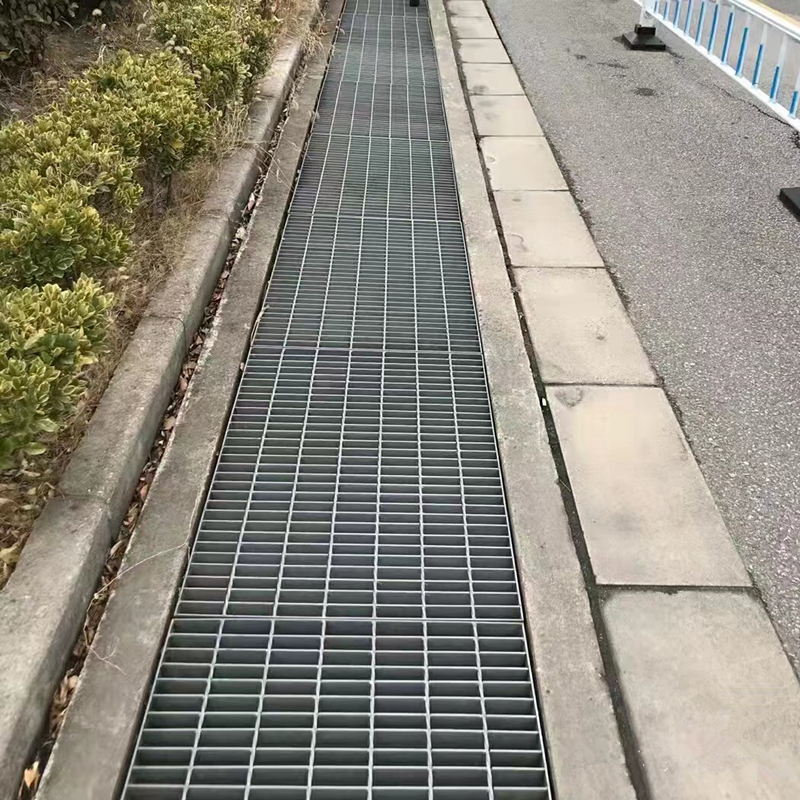
Urban roads, factories, car washes, docks, and residential drainage systems.

Please email us with your required specifications based on the above parameters. We will provide customized quotes and manufacturing according to your requirements.

When Drainage Fails, the Surface Fails First

Standing water is rarely just a drainage issue.

On roads and driveways, it leads to:

  • Surface degradation and cracking
  • Vehicle slip hazards
  • Accelerated structural damage

In industrial environments, blocked drainage channels quickly turn into operational problems. Sediment accumulates, water flow slows down, and the system loses its hydraulic capacity.

Unlike general-purpose grating, trench drain grates are part of a drainage system, where both load resistance and water flow performance must be balanced.

Instead of acting as simple covers, they must:

  • Support traffic-rated loads
  • Maintain open flow area for water discharge
  • Allow quick access for cleaning and maintenance

Our drainage channel grates are engineered as functional drainage components—not decorative covers.
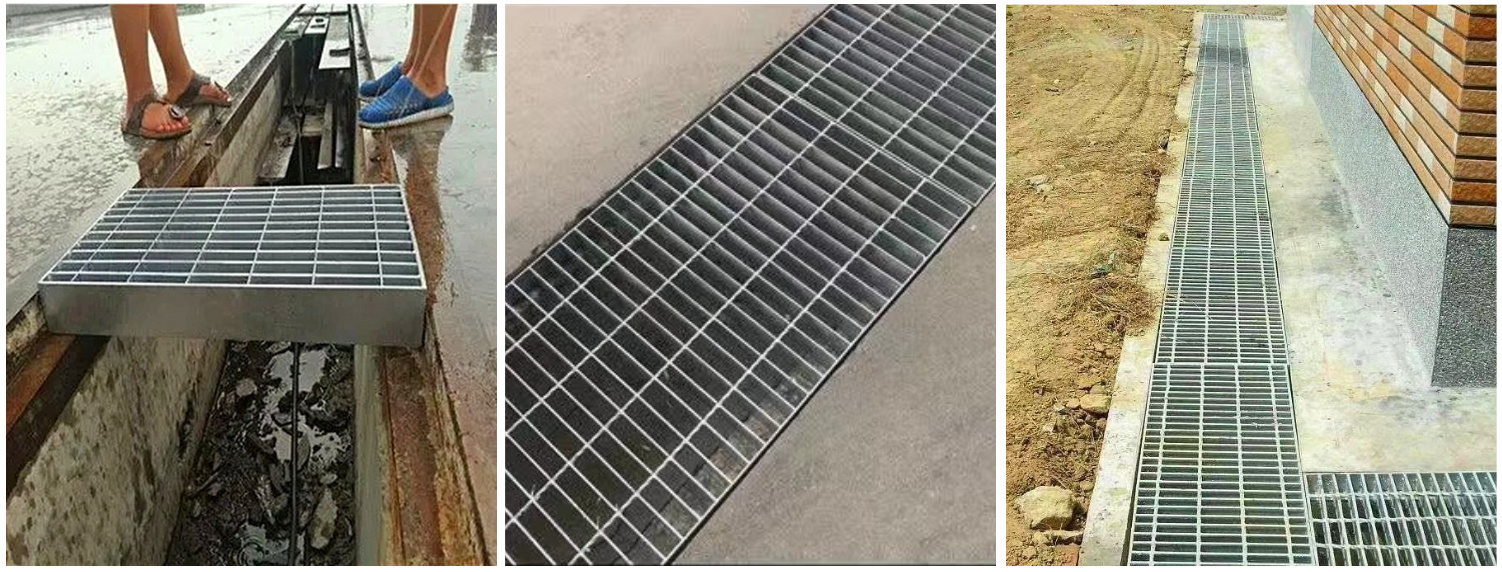
Our drainage channel grates

Drainage Applications (Where These Grates Perform)

Different environments place very different demands on trench drain grates, driveway drain grates, and gully grating systems.

■ Municipal Roads & Urban Drainage

Traffic-rated drainage systems must handle continuous vehicle loads while maintaining consistent flow.

In these conditions, trench covers must:

  • Maintain structural span under load
  • Prevent deformation over time
  • Allow debris to pass without blocking the channel

■ Industrial Facilities & Logistics Yards

Heavy trucks and forklifts create repetitive dynamic loads.

For these applications, heavy load trench drain grates are required.

Structural design in these systems is often based on
→ [Heavy Duty Steel Grating]
principles, adapted specifically for drainage channels.

■ Airport & Port Drainage Systems

Large paved areas depend on stable drainage performance.

If openings are too small → clogging increases
If too large → safety and load issues appear

A balanced drainage channel grate design ensures both hydraulic efficiency and structural safety.

■ Residential & Commercial Driveways

For private projects, requirements shift toward usability:

  • Clean surface appearance
  • Efficient stormwater drainage
  • Easy removal for maintenance

This is where driveway trench drain grates must combine drainage performance with practical handling.


Load & Material Engineering (Why These Grates Work)

Drainage performance is determined by how well load capacity and water flow are balanced.

■ Traffic-Rated Load Capacity

Each grate is designed based on traffic classification—from pedestrian areas to heavy vehicle zones.

Failure typically occurs due to:

  • Insufficient bearing bar thickness
  • Excessive unsupported span

Our systems are engineered with compliance to load standards (ASTM / ISO), ensuring safe operation under real traffic conditions.

■ Corrosion Resistance (Long-Term Reliability)

Drainage systems are continuously exposed to moisture, chemicals, and debris.

To ensure long-term performance, most projects specify
→ [Galvanized Steel Grating]

Hot-dip galvanizing protects:

  • Weld joints
  • Cut edges
  • Bearing bars

Without proper corrosion protection, deterioration starts at connection points and spreads through the structure.

■ Flow Efficiency vs. Blockage Risk

A properly designed gully grating must maintain:

  • High hydraulic capacity
  • Controlled debris passage

If the opening ratio is too low → water accumulates
If too high → load performance and safety decrease

Standard structural layouts are often derived from
→ [Steel Bar Grating]
geometry to balance these factors.

■ Surface Safety (Slip Resistance)

In wet conditions, surface traction is critical.

For pedestrian-access zones, anti-slip configurations such as
→ [Diamond Safety Grating]
can be incorporated to improve safety performance.


Specification & Load Selection Guide

Selecting the correct trench drain grate specification depends on load conditions, structural span, and drainage requirements.

Flat Bar Size (mm) Mesh Size (mm) Load Capacity (Approx.) Typical Application
25 × 3 30 × 100 Light duty (Pedestrian) Sidewalks, landscaping drainage
30 × 3 30 × 100 Light–medium duty Residential driveway drain grates
40 × 5 30 × 100 Medium duty Parking areas, commercial drainage
50 × 5 40 × 100 Medium–heavy duty Industrial yards, light truck traffic
80 × 6 40 × 100 Heavy load drainage Logistics zones, loading areas
100 × 10 40 × 100 Extra heavy load drainage Ports, highways, airport systems

Custom load ratings and dimensions are available based on project drawings.
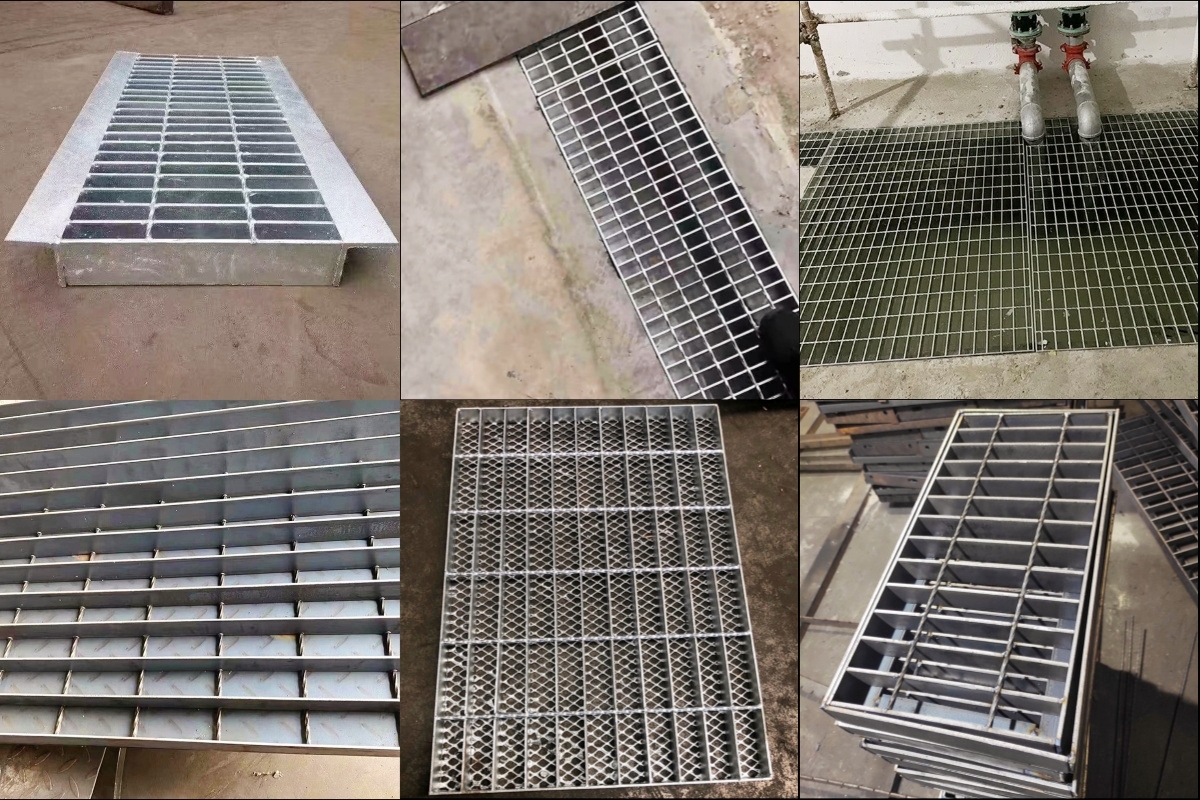
custom trench drain grates

Selection Notes (What Engineers Check First)

  • Flat bar size determines load-bearing capacity
  • Mesh size controls hydraulic flow and debris handling
  • Larger openings improve drainage but must align with safety requirements

For continuous vehicle traffic, structural configurations are often aligned with
→ [Heavy Duty Steel Grating]
design logic, adapted for drainage systems.

For corrosion-prone environments, protection using
→ [Galvanized Steel Grating]
is strongly recommended.


Types of Trench Drain Covers (Designed for Real Site Problems)

Different site conditions require different trench drain cover solutions.

■ Heavy Load Fixed Grates

Problem Solved:
Movement or failure under traffic load

Solution:

  • Reinforced structure
  • Fixed installation
  • Designed for traffic-rated drainage systems

Use Case:
Municipal roads, logistics yards

■ Lockable / Anti-Theft Grates

Problem Solved:
Unauthorized removal in public environments

Solution:

  • Bolted or locking system
  • Secure installation

Use Case:
Urban drainage systems, roadside channels

■ Removable Maintenance Grates

Problem Solved:
Clogging and difficult cleaning

Solution:

  • Easy-lift design
  • Quick access to drainage channel

Use Case:
Industrial drainage systems with sediment buildup

■ Narrow Slot / Safety Grates

Problem Solved:
Pedestrian or bicycle safety concerns

Solution:

  • Reduced opening size
  • Controlled surface gap

Use Case:
Commercial zones, sidewalks


Installation & Maintenance (What Actually Matters On Site)

Drainage systems fail more often due to maintenance neglect than design issues.

■ Installation Considerations

  • Proper seating on channel edges
  • Accurate load transfer alignment
  • Secure fixing in traffic zones

Poor installation leads to movement, noise, and premature wear.

■ Ease of Maintenance

An effective drainage trench cover must allow:

  • Quick removal
  • Direct cleaning access
  • Minimal operational downtime

If maintenance is difficult, cleaning is delayed—and blockage becomes inevitable.

Our designs prioritize accessible maintenance, ensuring long-term drainage performance.


Why Work with a Direct Manufacturing Source

As an
→ Industrial Bar Grating supplier

we provide drainage solutions engineered for real-world conditions.

  • Load-rated designs based on application
  • Controlled galvanizing for corrosion resistance
  • Custom sizing for channel compatibility

This ensures the drainage grate fits the system—not the other way around.

Request a Drainage Solution

Whether your project involves:

  • Municipal drainage infrastructure
  • Industrial yard systems
  • Residential driveway drainage

We supply custom trench drain grates and drainage channel solutions based on:

  • Load requirements
  • Channel dimensions
  • Environmental conditions

Send your drawings or specifications, and we will recommend a solution that performs reliably in actual drainage conditions.

Request a Quote Now


Q1:What information should I provide for a Trench Drain Grates quotation?

A:Please provide the channel width, grate length, flat bar size, mesh size, load requirement, traffic type, material, surface treatment, and quantity. If you have drawings or site photos, we can check the channel dimensions, support conditions, and recommend a suitable drainage grate design.


Q2:How do I choose the right load capacity for drainage channel grates?

A:The correct load capacity depends on traffic conditions, unsupported span, flat bar size, and installation method. Pedestrian areas may use light-duty grates, while roads, logistics yards, ports, and airports require heavier bearing bars designed for repeated vehicle or equipment loads.


Q3:Can trench drain covers be customized for existing channels?

A:Yes. Trench drain covers can be customized according to channel width, support edge, opening size, panel length, fixing method, and load requirements. Custom sizing helps ensure the grate sits properly on the channel frame and avoids movement, noise, or premature wear during use.


Q4:What material is commonly used for heavy load trench drain grates?

A:Carbon steel with hot-dip galvanizing is commonly used for heavy load trench drain grates because it provides strong load-bearing performance and corrosion resistance. For special environments, material and coating requirements should be selected according to moisture, chemicals, traffic intensity, and expected service life.


Q5:Are galvanized drain grates suitable for outdoor drainage systems?

A:Yes. Galvanized drain grates are suitable for outdoor drainage systems because the zinc coating protects bearing bars, welded joints, cut edges, and connection points from corrosion. They are widely used in municipal roads, driveways, industrial yards, parking areas, and infrastructure drainage channels.


Q6:How do I balance water flow and load capacity when selecting a grate?

A:The mesh size and opening ratio affect water flow, while flat bar size and span affect load capacity. Larger openings improve drainage but may reduce safety or strength. A proper design should balance hydraulic efficiency, debris control, walking safety, and traffic load requirements.


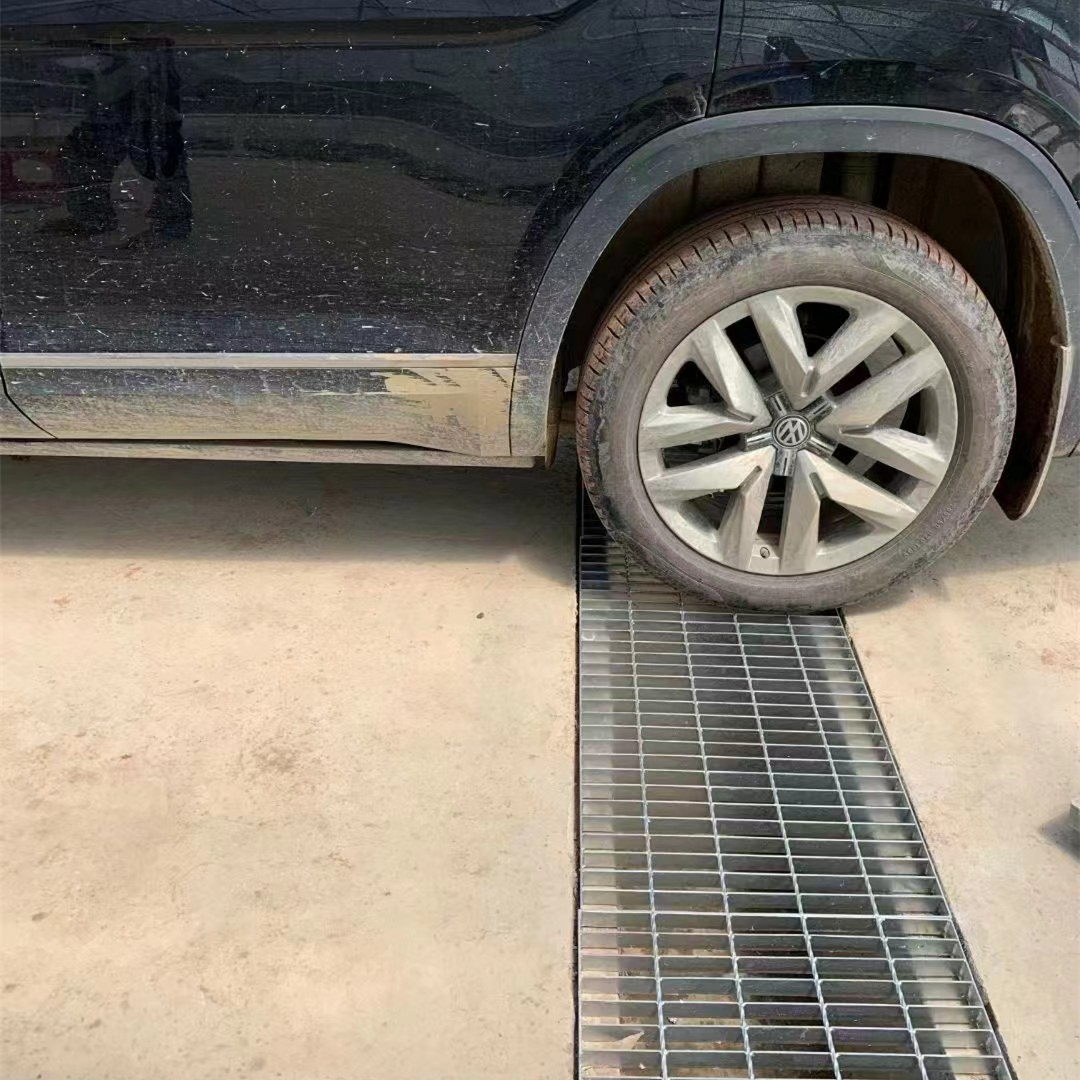
Q7:Can driveway trench drain grates handle vehicle traffic?

A:Yes, driveway trench drain grates can be designed for vehicle traffic if the correct flat bar size, mesh opening, span, and support structure are selected. Residential driveways usually need light to medium-duty grates, while commercial entrances or truck areas require stronger load-rated designs.


Q8:What type of grate is better for areas with frequent cleaning needs?

A:Removable maintenance grates are better for areas where sediment, leaves, mud, or debris may build up inside the drainage channel. They allow quick access for cleaning and reduce downtime. For industrial drainage systems, easy removal is important for maintaining long-term water flow performance.


Q9:Can lockable trench grates be supplied for public areas?

A:Yes. Lockable trench grates can be supplied for roads, sidewalks, urban drainage channels, and other public areas where unauthorized removal is a concern. Bolted or locking systems help keep the grate securely in place while still allowing controlled access for maintenance.


Q10:What grate design is safer for pedestrians or bicycle areas?

A:For pedestrian or bicycle areas, narrow slot or safety grates are usually recommended. Smaller controlled openings reduce the risk of shoes, wheels, or walking aids getting caught. The grate should still maintain enough open area for drainage while meeting surface safety requirements.


Q11:How do you control quality before shipment?

A:Quality control includes checking flat bar size, mesh spacing, panel dimensions, diagonal tolerance, welding quality, surface finish, and galvanizing condition. For drainage applications, proper fit and load-bearing stability are especially important because installation accuracy directly affects performance and service life.


Q12:How are Trench Drain Grates packed for export delivery?

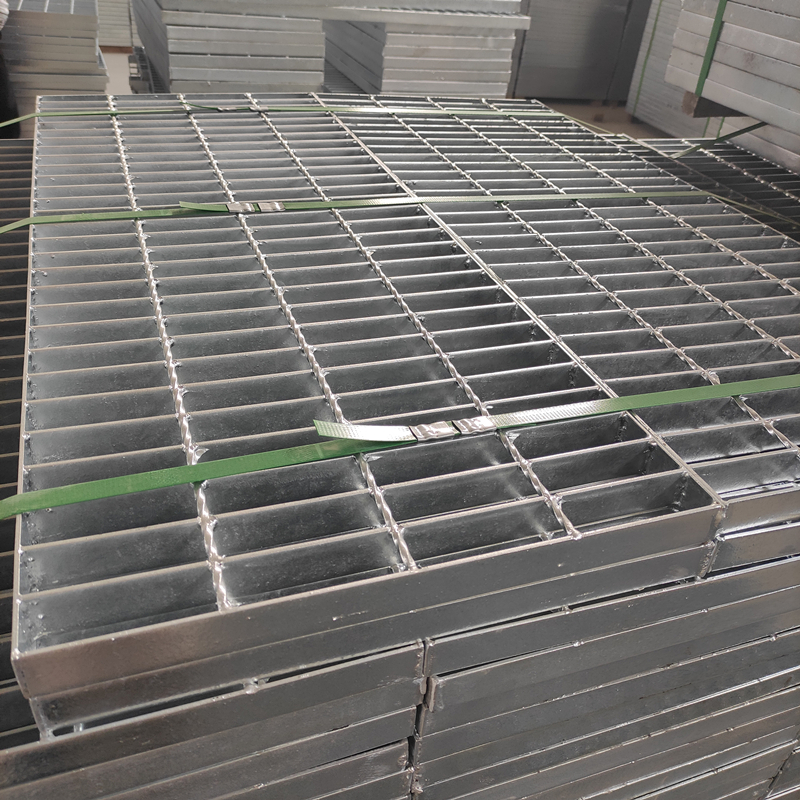
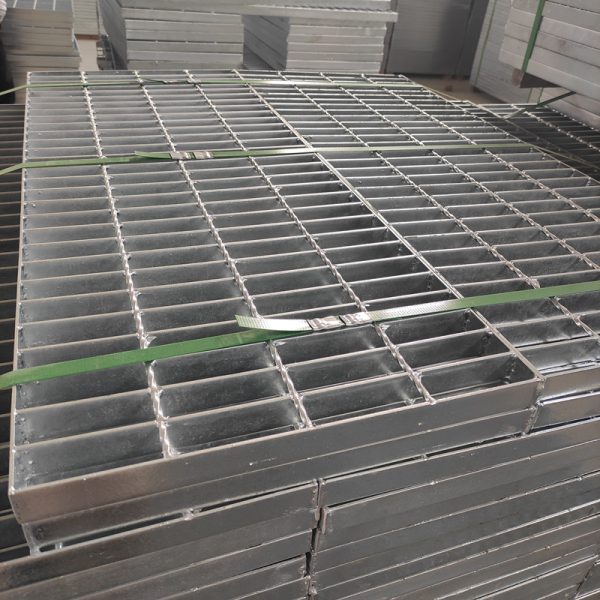
A:Trench Drain Grates are usually packed in reinforced bundles with steel strapping, edge protection, and export-ready packaging. The goal is to reduce deformation, coating damage, and impact during transportation. Packaging can also be adjusted according to panel size, quantity, and container loading requirements.

Trench Drain Grates manufacturing video

Explore how our trench drain grates perform in demanding environments such as roads, driveways, and municipal drainage systems.
From drainage channel grates to heavy-duty trench covers, see real product performance and installation details.

Place flat steel bars into the mold

Start the welding process

Heavy Duty Trench Drain Cover Details

Watch how our trench covers are installed in real-world drainage systems.
Engineered for easy installation and secure placement, our grates ensure efficient water flow and long-term stability in high-traffic areas.

Trench Drain Cover Load Bearing Test Video

A clear and accurate selection of trench drain covers is essential. It is important to specify the channel width and length, required load rating, and whether the application is for pedestrian traffic or vehicle loading. Without this information, the wrong specification may be selected, which can lead to product failure, damage, and unnecessary replacement costs.

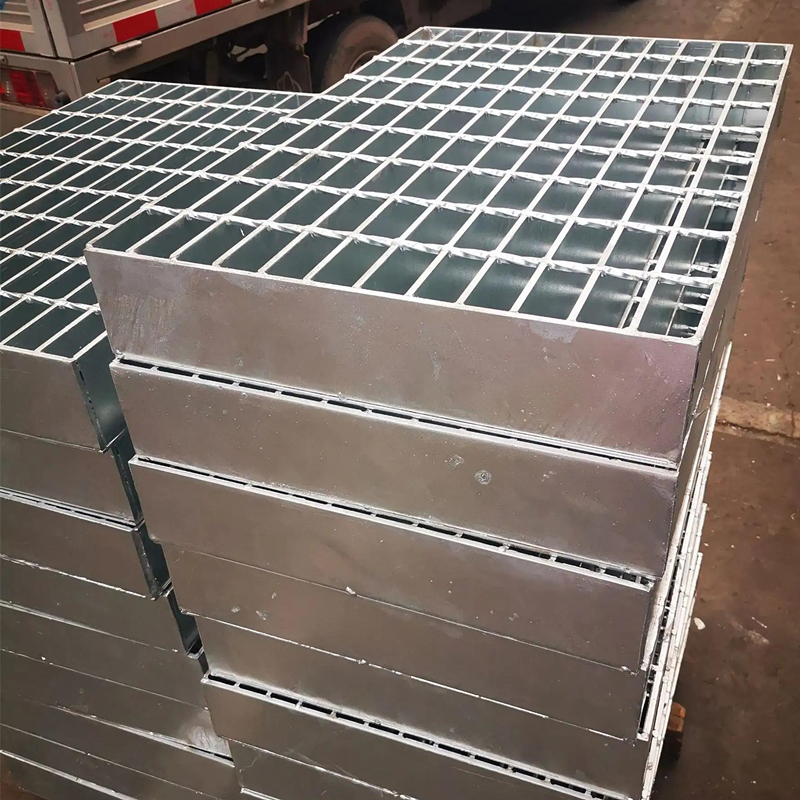
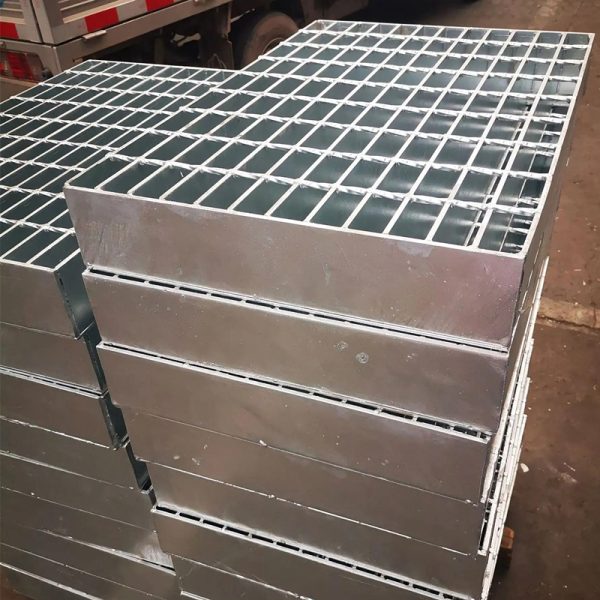
Galvanized finished product area
Standard for packaging of steel grating
Packaging Standard export packing or customized as per customer requirements.


Factory workshop

Factory workshop


Raw materials

Raw materials


Raw material of steel grating

Raw materials

CTA:

👉 Ask for load ratings & test reports