

Tell:+86 131 6555 8910(WhatsApp/WeChat)
Emaill:zhen@gratingpro.com
[language-switcher]

Diamond Safety Grating

其他信息

Material Options

Mild Steel (Carbon Steel), Stainless Steel (304/316),Aluminum

Material Thickness

1.5 mm -4.0 mm (custom)

Surface Type

Punched anti-slip or serrated

Panel Width

Standard:100mm,200mm,300mm,400mm,500mm, 600mm,700mm,800mm,1000mm or customized

Length

800mm,1000mm,1200mm,1500mm,2000mm or Customized

Surface Treatment

Hot-dip galvanize, powder coat, anodized (Al), Electropolished (EP) or Untreated (Mill Finish).

Edge options

Square cut, folded nosing, welded back plate

Performance Features

Serrated edges for max grip; high load, self-cleaning, and drainage.

Applications

Oily platforms, icy walkways, ramps, and stairs; ensures maximum grip.

Please email us with your required specifications based on the above parameters. We will provide customized quotes and manufacturing according to your requirements.

Diamond Safety Grating for Industrial Slip Prevention and Low-Maintenance Walkways

A Physical Barrier Against Slip Hazards

Slip incidents in industrial environments rarely come from surface failure alone.
They occur when oil, water, or debris reduces the coefficient of friction

Diamond safety grating addresses this at the structural level.

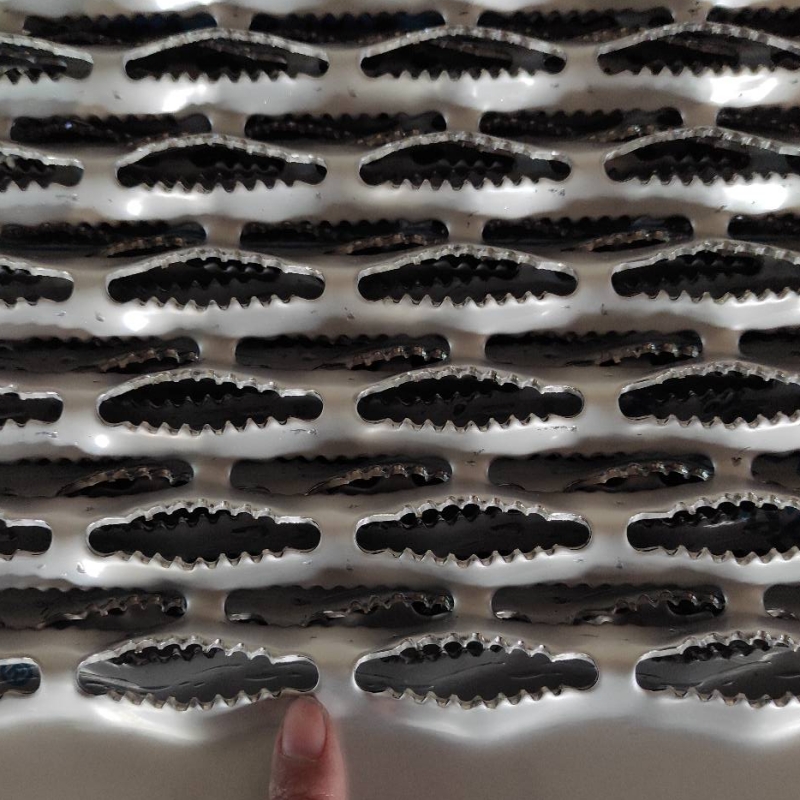
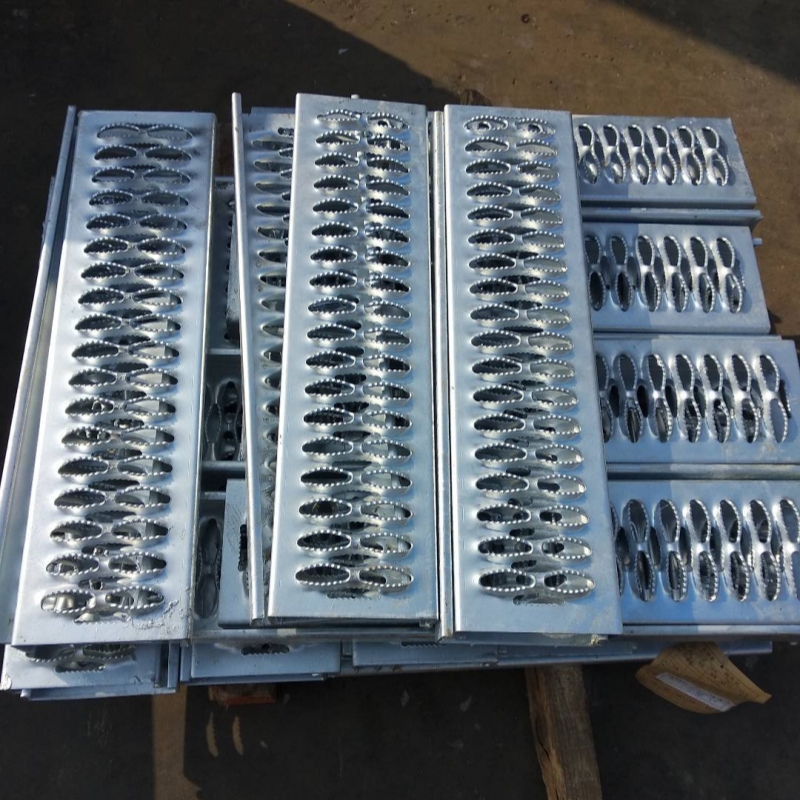
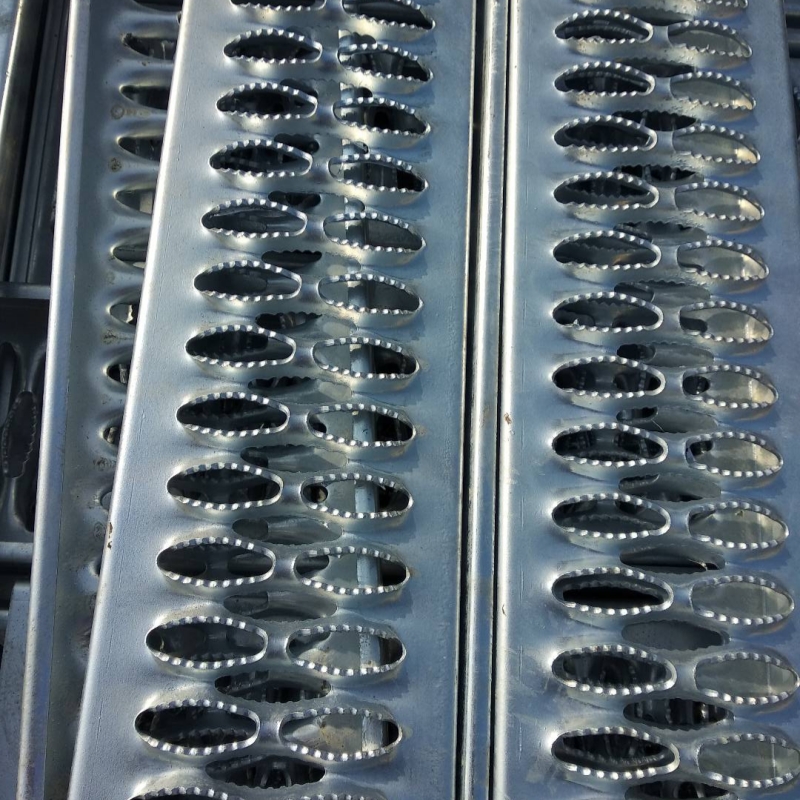
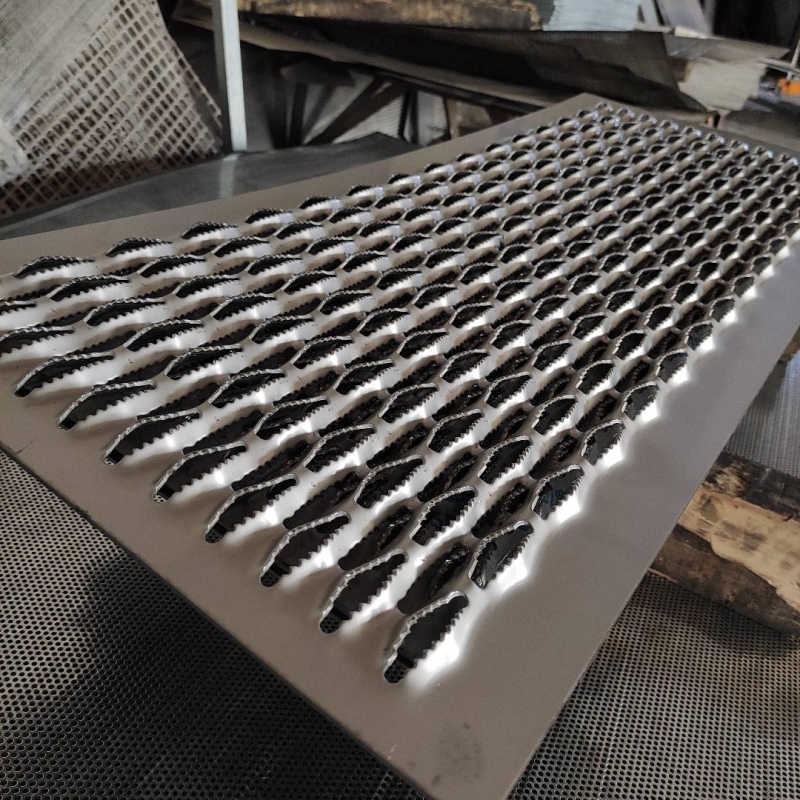
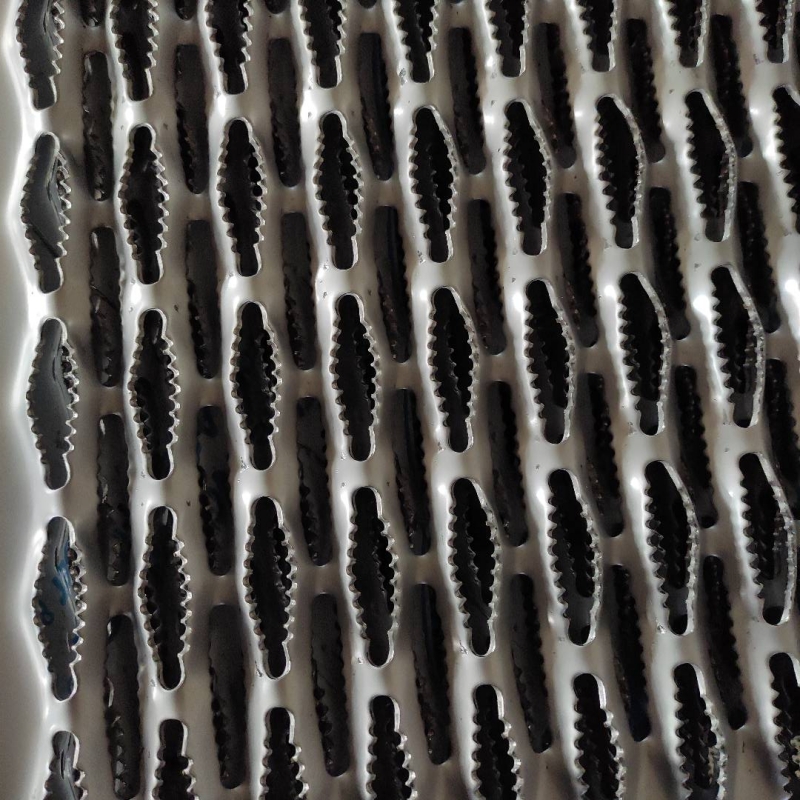
Manufactured through cold-stamping, each plank forms a raised, perforated pattern that creates continuous mechanical grip.

Unlike traditional
[metal floor grating]

this system functions as a controlled traction surface, especially in environments where contamination cannot be avoided.
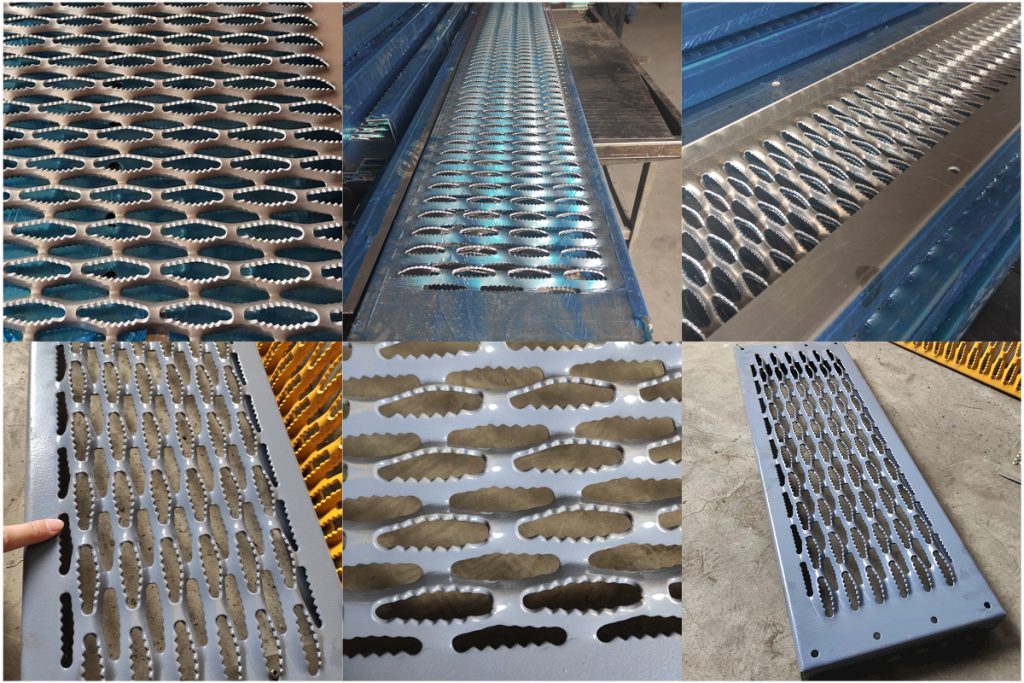
Diamond Safety Grating for Industrial Slip Prevention

How This Structure Differs from Welded Grating

Both safety grating and serrated steel grating offer anti-slip benefits, but they serve different purposes:

Feature Diamond Safety Grating Serrated Steel Grating
Slip Resistance ★★★★★ (Maximum) ★★★★☆
Structure Perforated Metal Sheet Bar Grating
Main Function Safety & Grip Load Bearing + Grip
Best Application Hazardous areas Industrial platforms

which relies on cut teeth along bearing bars, diamond safety grating uses a fully formed plank structure.

  • No separate bars
  • No welded intersections
  • No directional slip zones

The result is a uniform embossed surface

If safety performance must be consistent across all walking directions, perforated metal planks provide a more predictable outcome.


Core Performance Advantages

■ 360-Degree Anti-Slip Grip

  • Raised diamond openings create multi-directional traction
  • Continuous contact points increase friction under wet or oily conditions
  • Maintains grip even when debris is present

This design ensures that slip resistance does not depend on walking direction.


■ Self-Cleaning & Drainage

  • Open perforations allow liquids and particles to pass through
  • Reduces surface buildup of oil, mud, or ice
  • Minimizes manual cleaning requirements

If contaminants remain on the surface, slip resistance drops.
This structure actively prevents that condition.


■ Structural Lightweight Design

  • Formed from sheet metal, not assembled bars
  • Lower dead load compared to welded systems
  • Faster installation with fewer support requirements

In retrofit projects, reducing structural load can simplify installation and lower overall cost.


Technical Specifications

Parameter Specification
Product Type Diamond Safety Grating / Perforated Metal Planks
Manufacturing Process Cold-stamping, punching, bending (channel forming), cutting, flattening (optional)
Thickness 2.0 mm – 4.0 mm (custom available)
Channel Height 30 mm / 40 mm / 50 mm / custom
Width 120 mm – 300 mm
Length Standard or custom cut-to-size
Hole Pattern Diamond-shaped embossed openings (standard), custom punching patterns available
Material Options Carbon Steel, Stainless Steel (304 / 316), Aluminum
Surface Finish Hot-Dip Galvanized, Mill Finish, Powder Coated (custom colors available)
Edge Type Folded edges (standard), flat edge (optional)
Load Condition Designed for pedestrian traffic and light-duty industrial use
Installation Method Welding, bolting, or mechanical fixing

Engineering Notes

  • Cold-stamping + punching ensures consistent embossed surface geometry, directly affecting the coefficient of friction.
  • Folded edges (channel form) increase stiffness without increasing weight, improving structural integrity.
  • Aluminum option is preferred where corrosion resistance and lightweight structure are both required.
  • Stainless steel (304/316) is used in chemical or marine environments where galvanizing is not sufficient.
  • Powder coating is typically selected for color coding (safety zones, walkways, hazard marking).

Custom sizes and punching patterns available upon request.


Where This System Performs Best

■ Chemical Processing Walkways

Exposure to liquids and residues makes slip control critical.
Perforated planks maintain traction while allowing drainage.

■ Outdoor Emergency Stair Systems

Used with
[grating stair treads],

these planks provide reliable grip in rain, snow, or ice conditions.

■ Industrial Platforms and Access Routes

Where frequent movement occurs, maintaining a stable walking surface reduces operational risk.

In some layouts, these planks are used alongside
[galvanized steel grating]

to balance load-bearing requirements with slip resistance.

■ Vehicle Steps and Equipment Access

Applied as anti-slip walkway planks on machinery or service vehicles,
they improve operator safety during entry and maintenance.


Installation and Structural Considerations

Diamond safety grating is typically installed as a channel plank:

  • Supported at both ends or along structural frames
  • Fastened using mechanical fixing methods or welding

Because of its lightweight structure:

  • Installation time is reduced
  • Handling is easier on-site
  • Less structural reinforcement is required

If project conditions vary, working with a
steel grating supplier

ensures correct sizing and support spacing.


Manufacturing Capability and Quality Control

As a steel grating manufacturer,

production is controlled from raw material to final forming.

  • Precision cold-stamping for consistent geometry
  • Controlled embossing depth for stable friction performance
  • Galvanizing in compliance with ASTM / ISO standards

The goal is not just supply, but predictable safety performance across all installations.


Request a Project-Based Solution

If your project involves:

  • Slip-prone environments
  • Outdoor exposure
  • Frequent maintenance challenges

Provide:

  • Application details
  • Span or support conditions
  • Environmental exposure

We will recommend:

  • Suitable plank configuration
  • Surface treatment
  • Installation approach

Request a quotation or technical support based on your actual use conditions.


Request a Project-Based Solution

If your project involves:

  • Slip-prone environments
  • Outdoor exposure
  • Frequent maintenance challenges

Provide:

  • Application details
  • Span or support conditions
  • Environmental exposure

We will recommend:

  • Suitable plank configuration
  • Surface treatment
  • Installation approach

Request a quotation or technical support based on your actual use conditions.

Request a Quote Now


Q: What is the smallest hole you can produce?
A: Typical micro perforation starts at 0.3 mm; for smaller holes we recommend chemical etching — contact us with your exact spec.

Q: Do you offer custom patterns and prototypes?
A: Yes. We do prototypes with no MOQ. Send drawings or sample references to info@perfsheet.com.

Q: Can you cut panels to irregular shapes?
A: Yes. Provide a CAD file or drawing; laser or waterjet processes are suitable for complex outlines while preserving micro hole integrity.

Q: How do you handle edge finishing?
A: We can supply straight-cut edges, folded profiles, or hemmed edges. Hemming improves safety and aesthetics for visible edges.

Q: Can you produce curved panels?
A: Some materials can be roll-formed or pressed into curved shapes. Send radius and panel size; we’ll advise on manufacturability.

Q: Can you provide material certificates?
A: Yes — material certificates are included with shipments and we support third-party testing.

Micro perforated metal sheet manufacturing video

After perforation, especially for plates with very dense hole patterns, the perforated metal sheets will experience significant deformation. We perform flattening treatment after completing all perforation processes. Below is the video of flattening perforated metal sheets:

After the leveling process, our perforated metal sheets can be precisely laser-cut into any custom shape as required. Below is a production video demonstrating the laser-cutting process:

Below are some real-scene displays of our factory

Perforated Metal Sheet Automated Production Workshop Live Footage
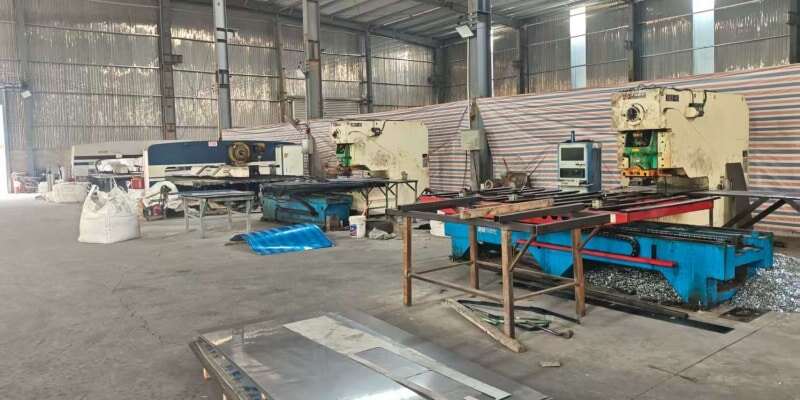
Factory workshop Factory workshop
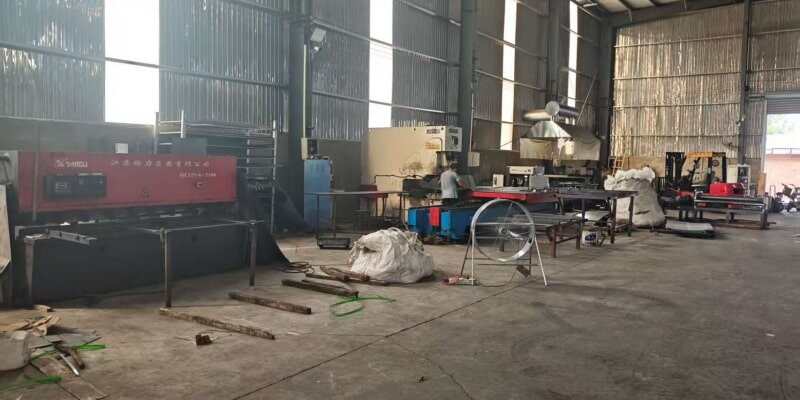
Factory workshop Factory workshop
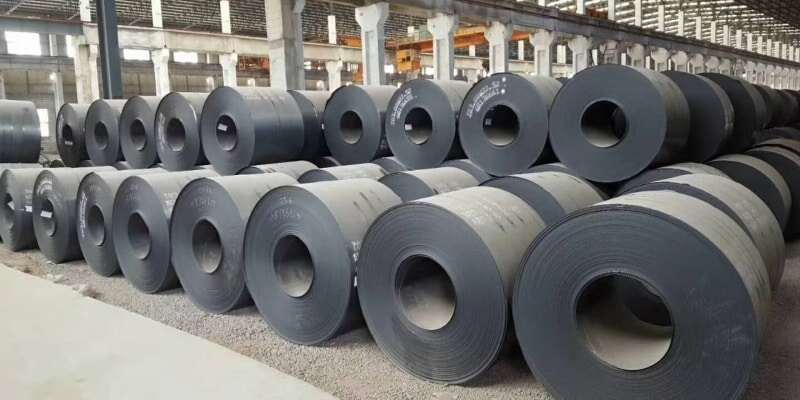
Raw materials Raw materials
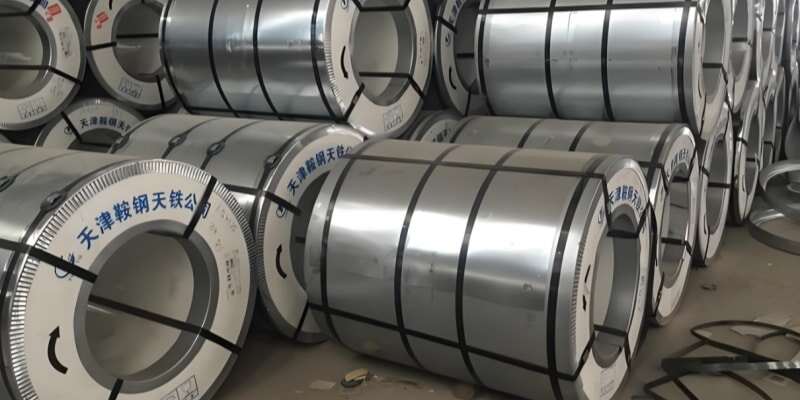
Raw materials Raw materials
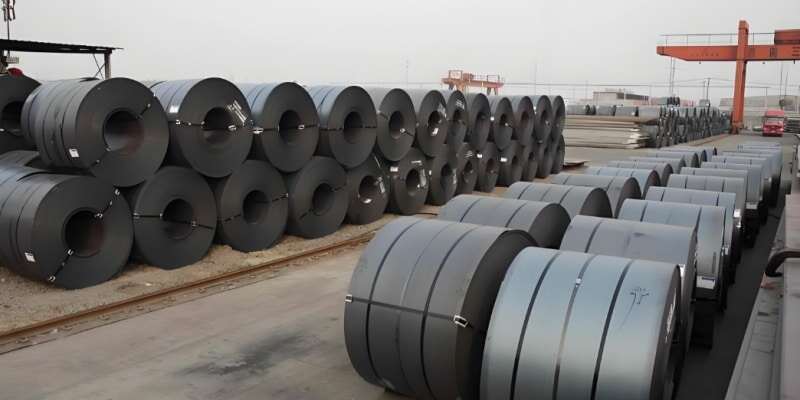
Raw materials Raw materials