Tell:+86 131 6555 8910(WhatsApp/WeChat)
logo

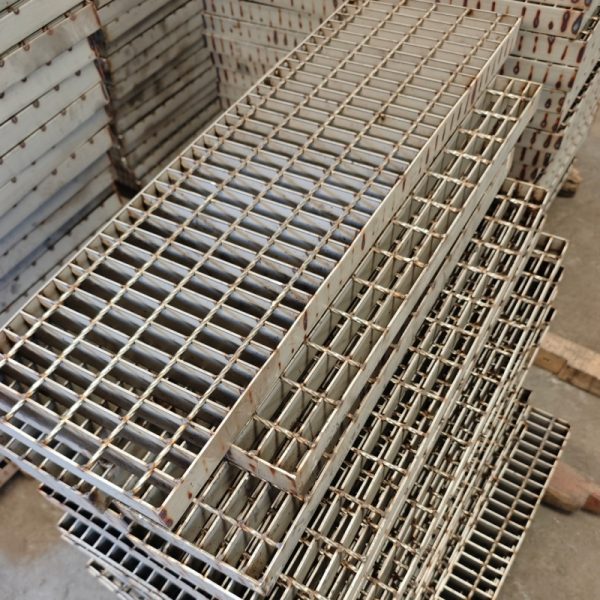
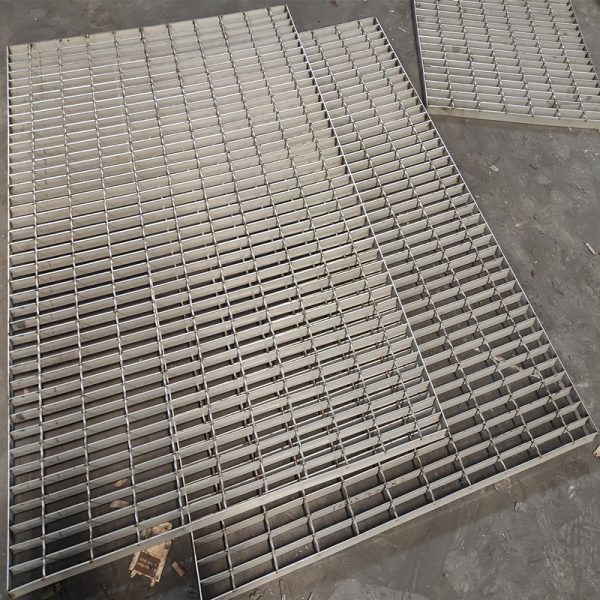
Stainless Steel Grating

Additional information

Material Options

Stainless Steel (201/304/316)

Bearing Bar Size

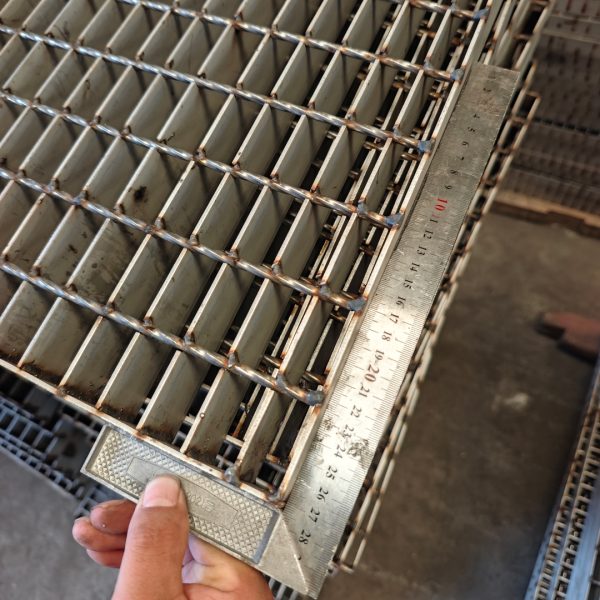
25×3mm,30×3mm, 32×5mm,40×3mm, 40×4mm, 40×5mm, 50×5mm (Custom sizes available).

Bearing Bar Spacing

30mm, 40mm, 50mm

Cross Bar Size

6mm,8mm,10mm

Cross Bar Spacing

25mm,30mm,50mm,100mm.

Surface Treatment

Electropolished (EP)

Surface Profile

Plain (Smooth), Serrated (Non-slip)

Panel Dimensions

Standard Sizes: 500 ×1000mm or 1000 ×1000mm or 1000 × 2000mm(Custom sizes available).

Key Performance Features

Extreme Corrosion Resistance;High Hygiene & Cleanliness;Temperature Resistance;Aesthetic & Decorative Appeal;High Strength & Durability;Sustainability & High Resale Value

Applications

Food Processing & Pharmaceuticals、Corrosive Industrial Environments、Sewage Treatment Plants、High-end Architecture & Landscaping、Specialized Industrial Support

Please email us with your required specifications based on the above parameters. We will provide customized quotes and manufacturing according to your requirements.

Stainless Steel Grating for Corrosive & Hygienic Environments

Stainless steel grating is used where carbon steel simply won’t last.
Acid wash areas, food processing lines, offshore platforms—these are environments where coating failure is not an option.

In this case, corrosion resistance comes from the material itself, not from zinc or paint.
That’s why serious projects specify SS304 grating, SS316 bar grating, or other inox grating solutions depending on exposure conditions.

From a manufacturing standpoint, we focus on material purity, weld integrity, and surface finishing. Each batch is backed by Mill Test Certificates (MTC) to verify chromium (Cr) and nickel (Ni) content.
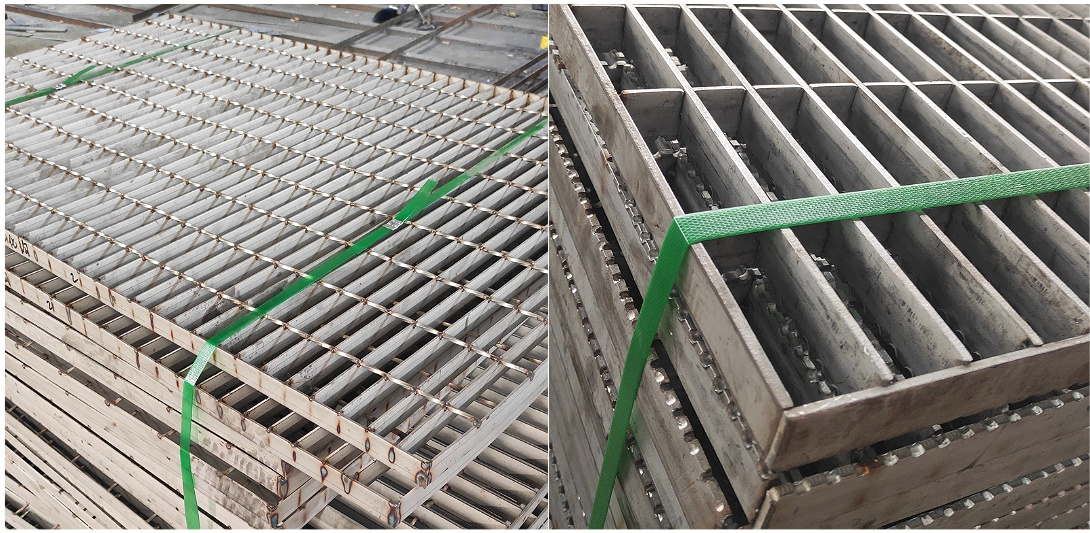
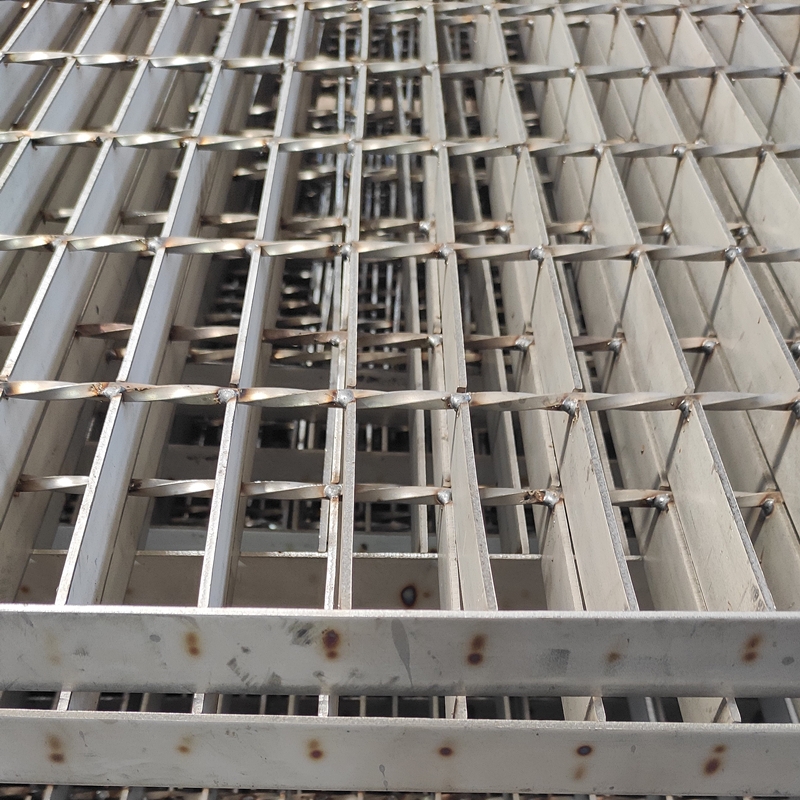
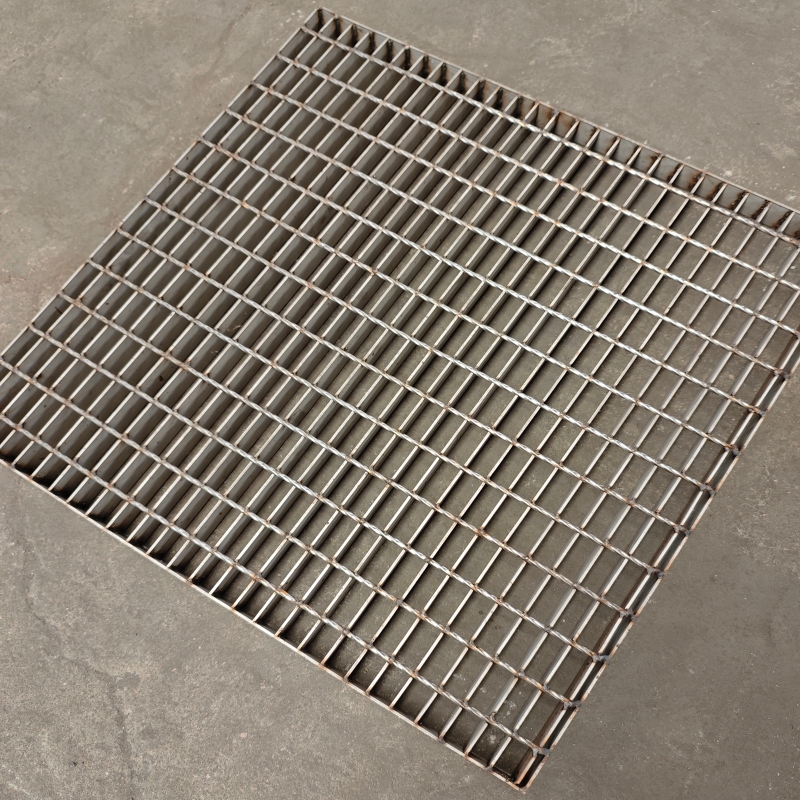
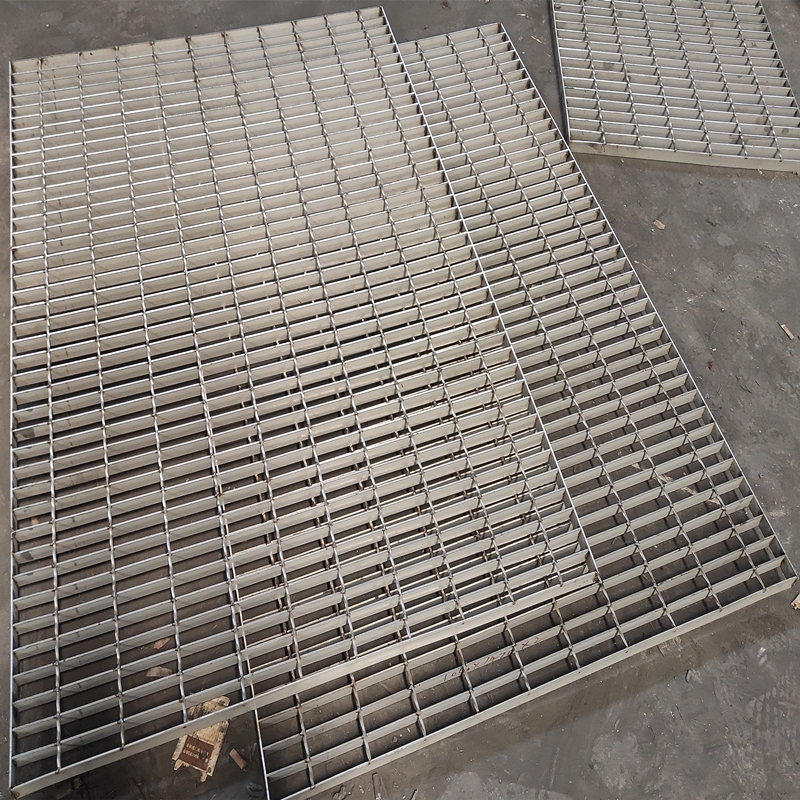
ss304 stainless steel grating panels

Material Selection: SS304 vs SS316 / 316L

Choosing the right grade is not optional—it directly affects lifecycle cost.

■ SS304 Grating (Standard Industrial / Food Grade)

  • Suitable for indoor or mild corrosive environments
  • Common in food processing, breweries, and packaging plants
  • Good resistance to moisture and cleaning chemicals

👉 If your environment is controlled and regularly cleaned, SS304 is usually sufficient.

■ SS316 / SS316L Bar Grating (Marine / Chemical Use)

  • Contains molybdenum → stronger resistance to chlorides
  • Performs better in saltwater, offshore, and chemical exposure
  • Preferred for desalination plants and aggressive sewage environments

👉 If chloride exposure or chemical corrosion is present, SS316 bar grating is the safer long-term choice.

Material vs Carbon Steel (Practical Comparison)

  • Carbon steel requires galvanizing → coating can wear over time
  • Stainless steel resists corrosion inherently
  • No recoating, no hidden rust risk

For projects where maintenance access is limited, stainless is often the more predictable option.


Core Advantages in Real Projects

■ Unmatched Corrosion Resistance

  • No coating dependency
  • Resistant to acids, alkalis, and chlorides
  • Performs in chemical, offshore, and sewage conditions

This is where stainless metal grid systems outperform galvanized alternatives.

■ Hygiene & Food Safety

  • Smooth surface, easy to clean
  • No coating flaking or contamination risk
  • Suitable for food-grade and pharmaceutical environments

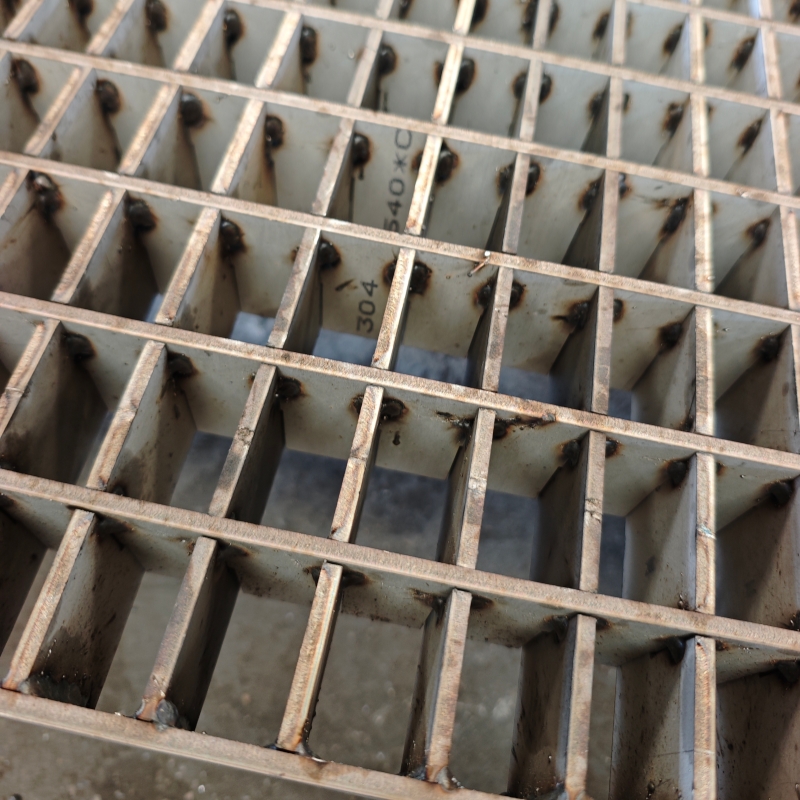
We use full-welded banding on request.
This eliminates gaps where bacteria could accumulate—important for food and cleanroom compliance.

■ Aesthetic & Modern Finish

Surface treatment is not just visual—it affects performance.

  • Pickling (acid treatment) removes oxide scale and improves corrosion resistance
  • Electropolishing creates a smooth, bright surface for high-visibility applications

👉 Pickling is typically used in chemical plants.
👉 Electropolishing is often specified for labs, hospitals, and architectural walkways.

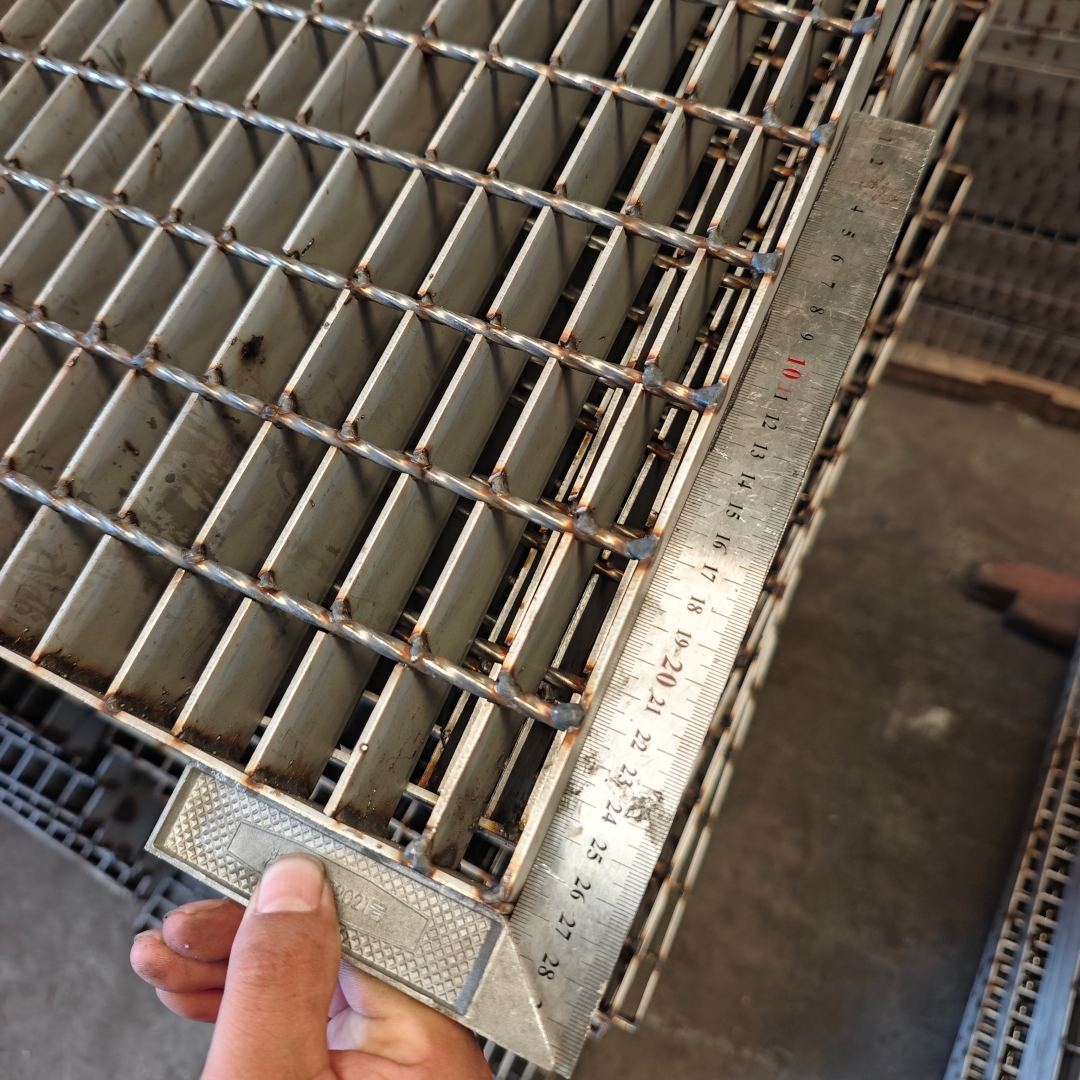
stainless steel grating features
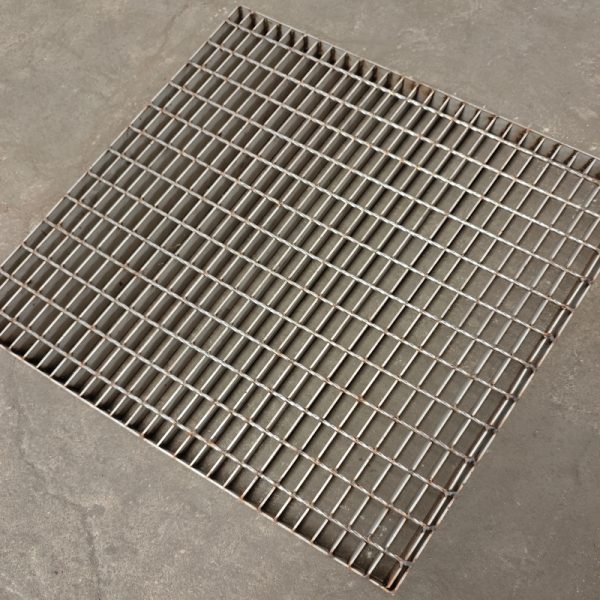
stainless steel grating Electropolishing

Applications Where Stainless Steel Grating Makes Sense

Not every project needs stainless. But when it does, it’s usually obvious.

■ Food & Beverage Facilities

Processing lines, drainage zones, hygiene-critical flooring

■ Pharmaceutical Plants

Clean environments with strict contamination control

■ Marine & Offshore Platforms

Saltwater exposure, high humidity, corrosion risk

■ Desalination & Sewage Treatment

Constant chemical exposure and wet conditions

■ High-End Commercial Architecture

Walkways, facades, and visible structural elements

👉 For slip resistance in wet environments, it can be combined with
→ serrated steel grating

Manufacturing Methods & System Options

Stainless steel grating is available in different fabrication methods depending on project needs:

For aesthetic designs, slotted bar (slotted bearing bar) configurations are also available.


Technical Specifications

Item Common Range
Material SS304 / SS316 / SS316L
Bearing Bar Size 25 × 3 mm, 30 × 5 mm, 40 × 5 mm
Bar Spacing 30 / 100 mm, 40 / 100 mm
Surface Treatment Pickling / Electropolishing
Fabrication Welded / Press Locked

Custom steel grating specifications available upon request.


Practical Engineering Notes

  • Stainless steel has lower yield strength than carbon steel → sizing must be calculated properly
  • Electropolishing reduces surface roughness → improves cleanability
  • Full welding improves hygiene but increases cost—use where required, not everywhere

Internal System Positioning

If corrosion is not critical, consider
→ steel bar grating

If corrosion resistance is needed but budget is limited, consider
→ galvanized steel grating

If hygiene, chemical exposure, or lifespan is the priority—stainless is the correct choice.

Why Work With an Experienced Manufacturer

As a steel grating Factory, production is controlled from raw material sourcing to final finishing.

  • Verified raw material (MTC provided)
  • Controlled welding and dimensional accuracy
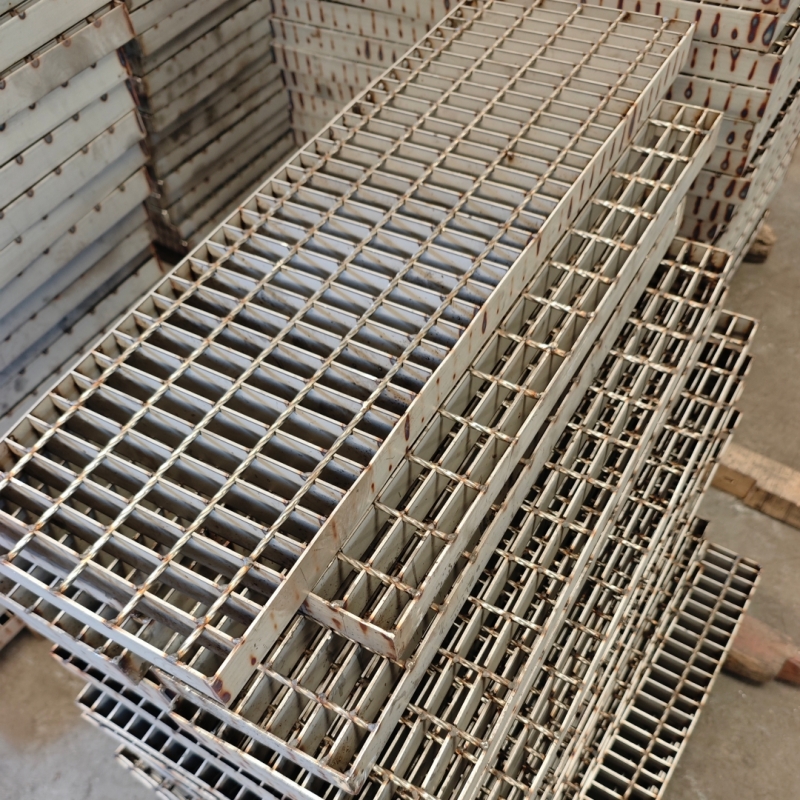
  • Export-ready packaging and documentation

No unnecessary claims—just consistent product quality that meets specification.

Steel Grating Quality Inspection and Packaging Standards
Quality Inspection and Packaging Standards

Request Technical Support & Pricing

If you are evaluating stainless steel grating for your project:

  • Material grade selection support (304 vs 316)
  • Load and span recommendations
  • Surface treatment guidance (pickling vs electropolishing)
  • Custom production based on drawings

👉 Send your requirements to get a clear specification and quotation.


Get a Quote


Q1:What information should I provide for a Stainless Steel Grating quotation?

A:Please provide the material grade, panel size, bearing bar size, bar spacing, cross bar spacing, fabrication method, surface treatment, quantity, and application environment. If you have drawings, span details, or hygiene requirements, we can review them and recommend a suitable specification.


Q2:Should I choose SS304 or SS316 grating for my project?

A:SS304 grating is suitable for indoor, food processing, brewery, packaging, and mild corrosive environments. SS316 grating is recommended for saltwater, offshore, chemical, sewage, or chloride-exposed areas because it offers stronger corrosion resistance and better long-term performance in aggressive conditions.


Q3:Can stainless steel grating be used in food processing areas?

A:Yes. Stainless steel grating is suitable for food processing, beverage production, drainage zones, and hygiene-critical flooring. It has no coating flaking risk and is easier to clean. For stricter hygiene requirements, full-welded banding and smoother surface finishing can be considered.


Q4:When is SS316 bar grating better than galvanized steel grating?

A:SS316 bar grating is better when the project involves chloride exposure, saltwater, chemical cleaning, offshore use, or aggressive sewage environments. Galvanized grating relies on zinc coating, while stainless steel provides corrosion resistance through the material itself, reducing hidden rust and recoating concerns.


Q5:What surface treatment is recommended for inox grating?

A:Pickling is commonly used to remove welding oxide and improve corrosion resistance, especially for chemical or industrial environments. Electropolishing creates a smoother and brighter surface, making it suitable for labs, hospitals, clean areas, and visible architectural applications where cleanability and appearance matter.


Q6:Can stainless metal grid panels be customized according to drawings?

A:Yes. Stainless metal grid panels can be customized by panel size, bearing bar size, bar spacing, fabrication method, edge banding, cut-outs, and surface finish. Drawing-based production helps ensure the panels fit the platform, drainage area, walkway, or equipment structure correctly.


Q7:Is welded or press locked stainless grating better for my application?

A:Welded stainless grating is usually selected for stronger industrial use, platforms, and drainage areas. Press locked stainless grating offers a cleaner appearance and more precise grid alignment, making it suitable for architectural walkways, facades, commercial spaces, and visible structural applications.


Q8:Can stainless steel grating be made with anti-slip surface options?

A:Yes. Anti-slip surface options can be considered for wet, oily, or safety-critical environments. Serrated bearing bars can improve grip for walkways, drainage zones, offshore platforms, and food processing areas where surface moisture or cleaning liquids may increase slipping risk.


Q9:What quality documents can be supplied with stainless steel grating?

A:Mill Test Certificates can be supplied to verify material composition, including chromium and nickel content. Depending on project requirements, inspection records for dimensions, welding quality, surface treatment, and packaging can also be provided to support specification compliance before shipment.


Q10:How is Stainless Steel Grating packed for export delivery?

A:Stainless Steel Grating is usually packed with reinforced bundling, edge protection, and export-ready packaging to reduce scratching, deformation, and handling damage. For electropolished or high-visibility architectural panels, extra surface protection can be arranged to better preserve the finished appearance during transportation.

Stainless Steel Grating Factory Video

Take a closer look at our stainless steel grating production process, from SS304 and SS316 material preparation to welding, finishing, inspection, and packaging.

Welding process of stainless steel grating

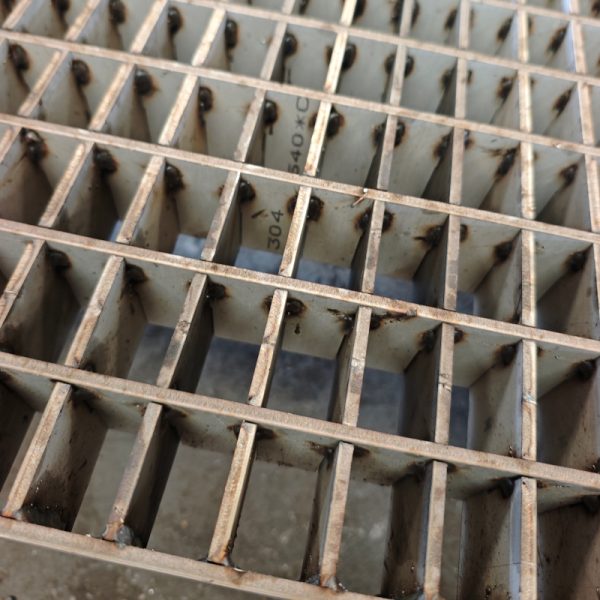
Stainless Steel Grating Detail Display

This stainless metal grid offers excellent corrosion resistance, clean appearance, and long service life for food processing, chemical plants, marine walkways, drainage covers, and hygienic industrial flooring systems.

interlocking stainless steel grating

Deburring of stainless steel grating plate

Factory workshop
Factory workshop
Factory Warehouse
Factory Warehouse
Finished welding drawing of stainless steel grating plate
Quality inspection of stainless steel grating
tainless steel grid plate welding wire removal


Raw material stainless steel material for stainless steel grating
Raw material – stainless steel material

Contact us today for custom inox grating specifications and a factory-direct quotation.