| Material | Carbon Steel / Stainless Steel 304/316 |
|---|---|
| Plate Thickness | 1.8mm,2.0mm,2.5mm, 3.0mm, 4.0mm |
| Surface Treatment | Hot-dip Galvanized (HDG) / Pickling |
| Type | Saddle Clip (Type A/Type C) |
| Bolt | Hex Socket Head |
| Bolt Size | M8 x 50mm, M8 x 60mm, M8 x 70mm |
| Applicable Grating Pitch | 30mm, 40mm, 60mm (Customizable) |
| Quantity for Safe Loading | Each panel requires at least 4 sets of clips for secure installation |
Even the strongest grating will fail if the fixing system is wrong.
Our grating clips and fasteners are designed as part of a complete installation system, ensuring:
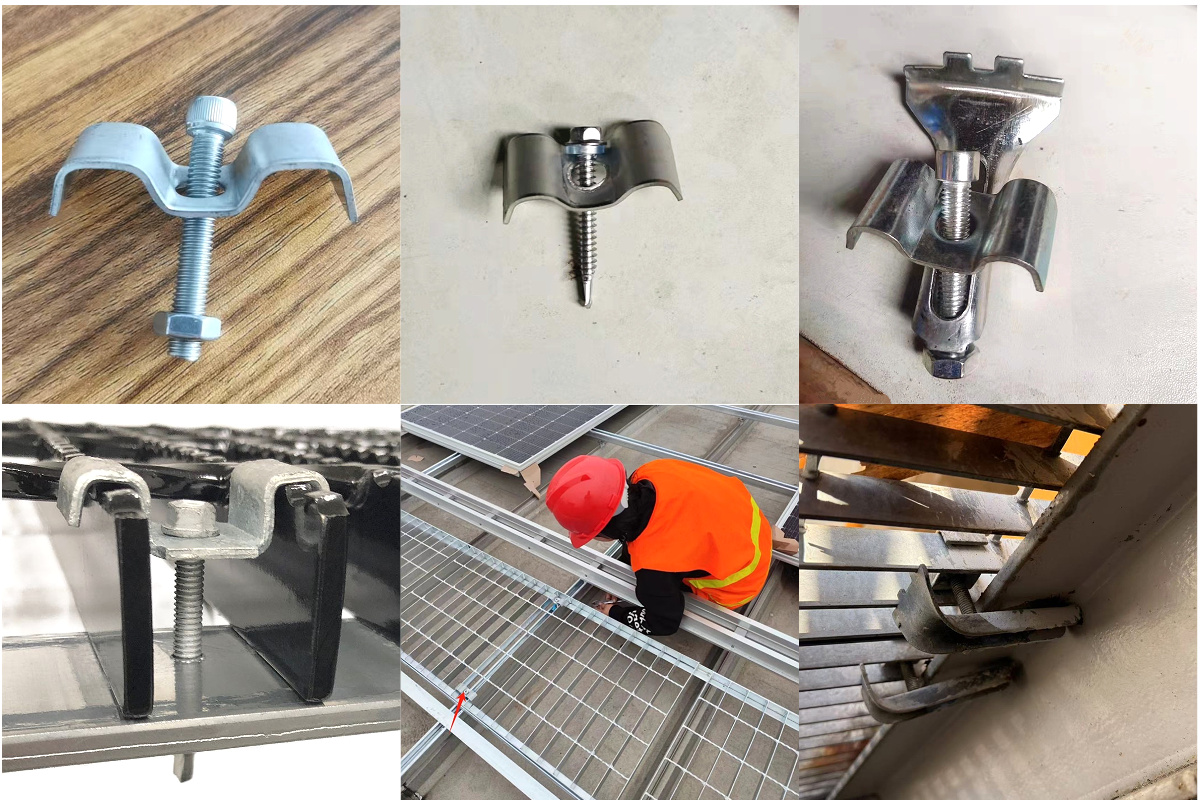
No welding. No coating damage. No installation guesswork.
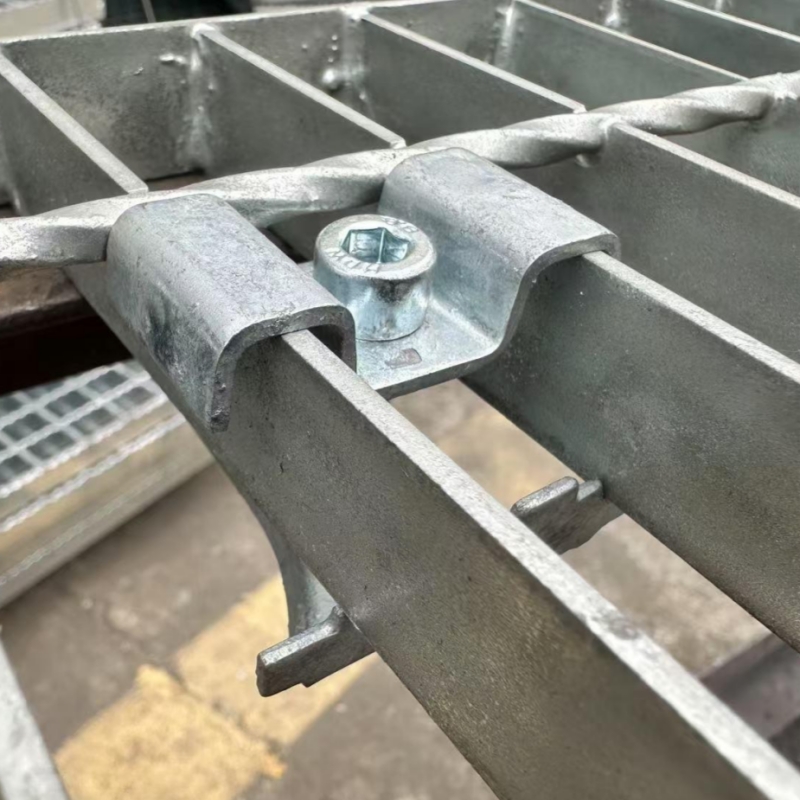
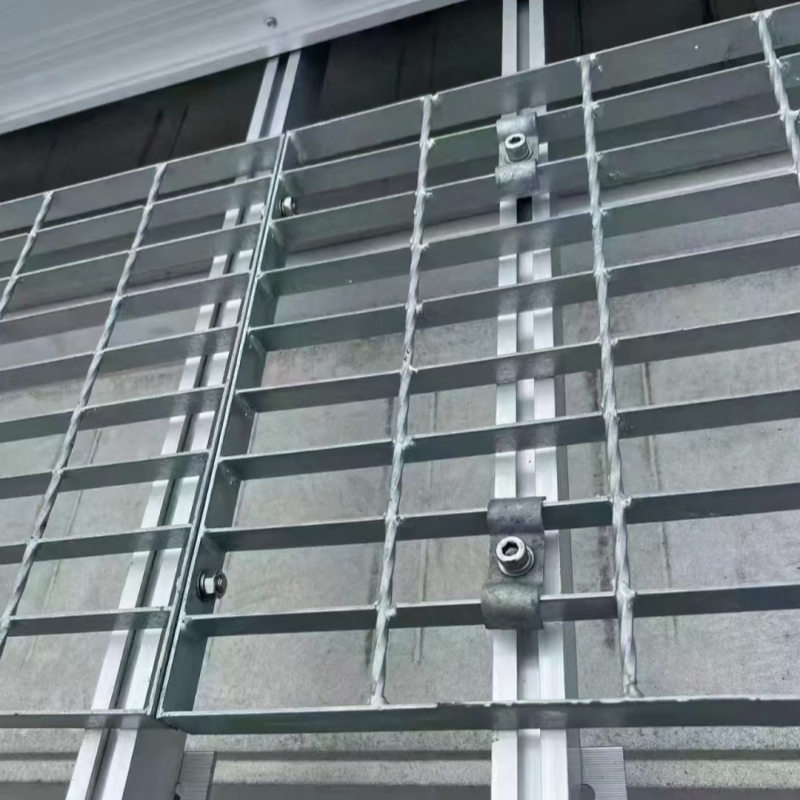
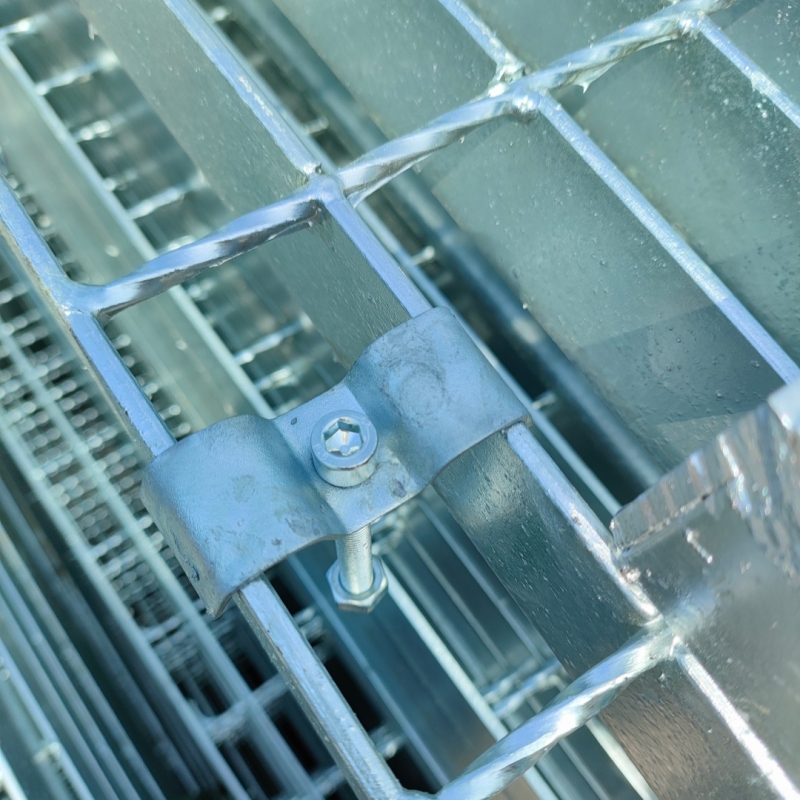
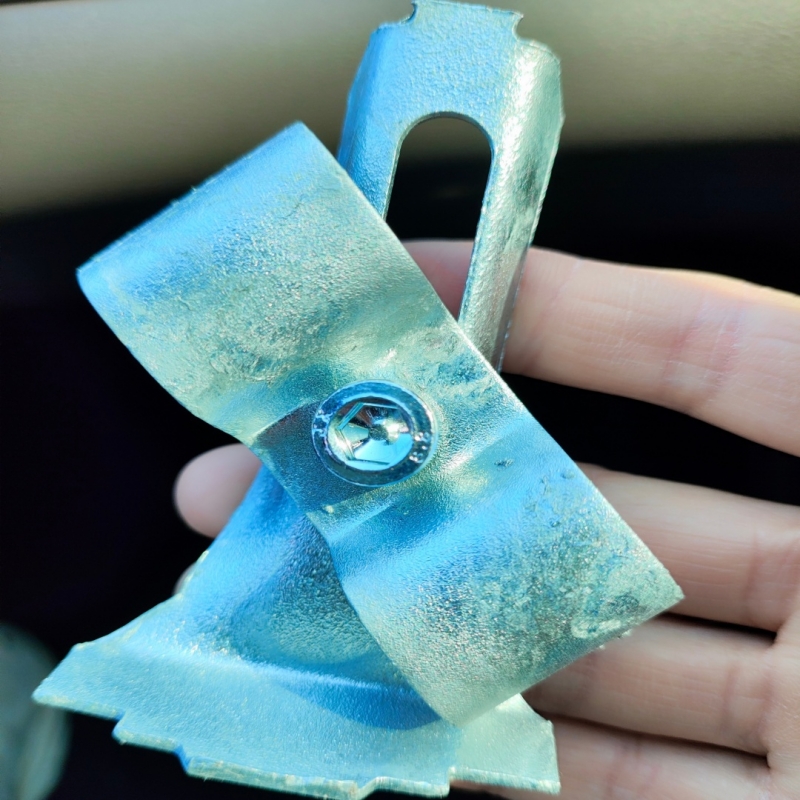
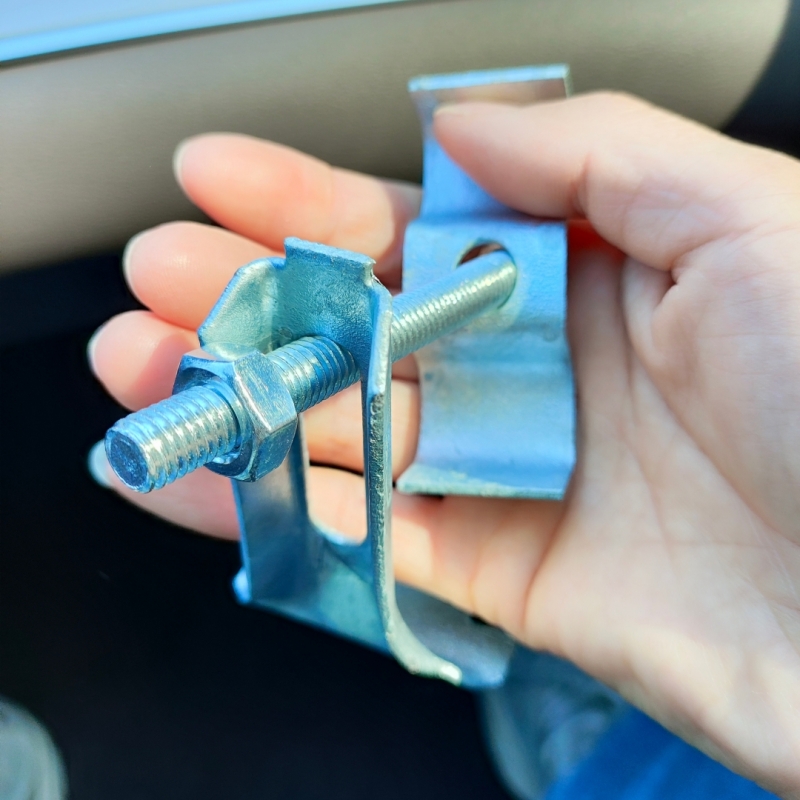
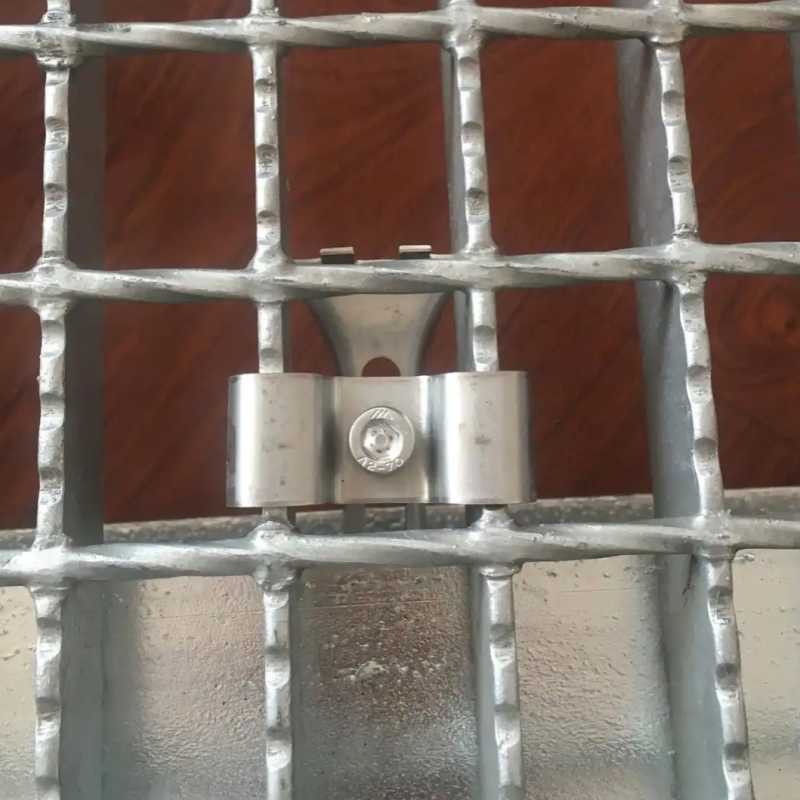
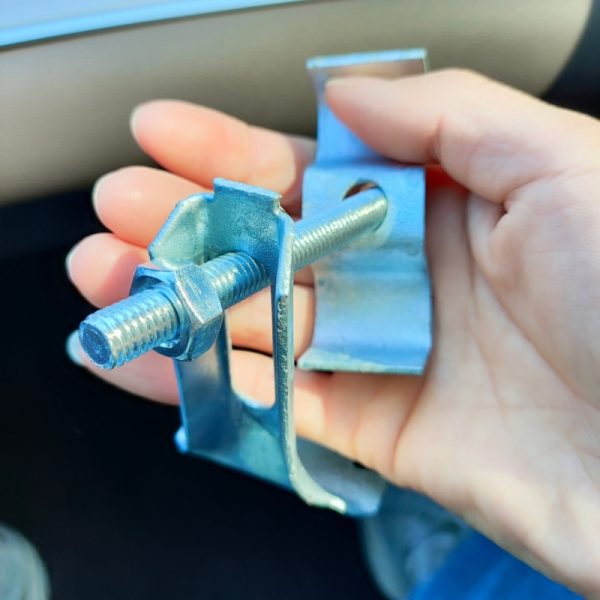
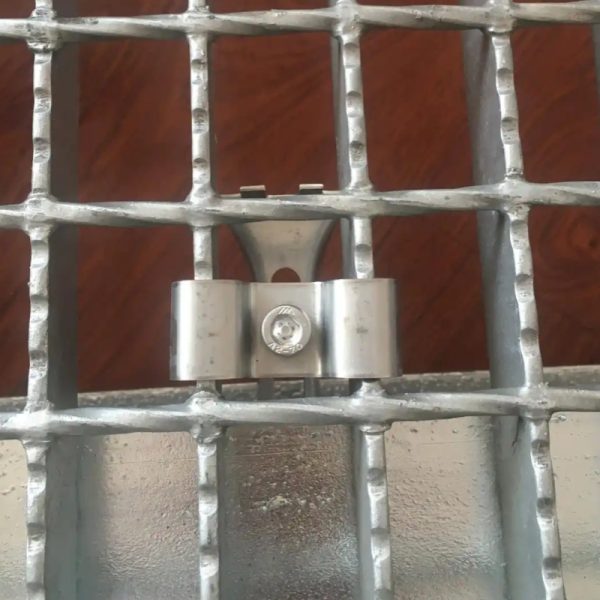
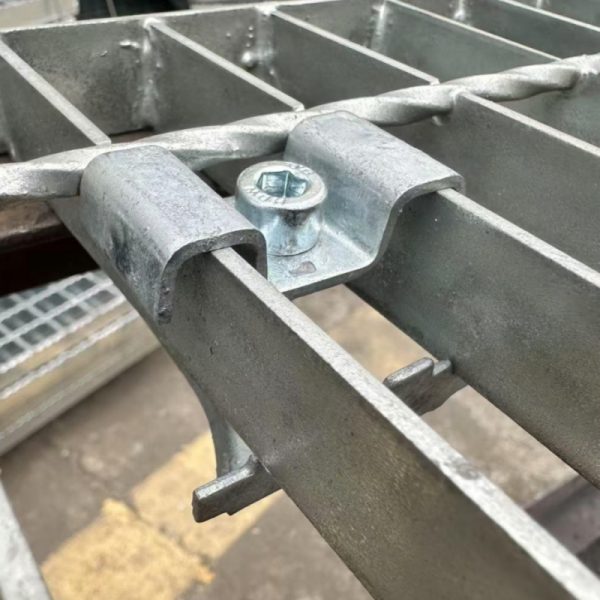
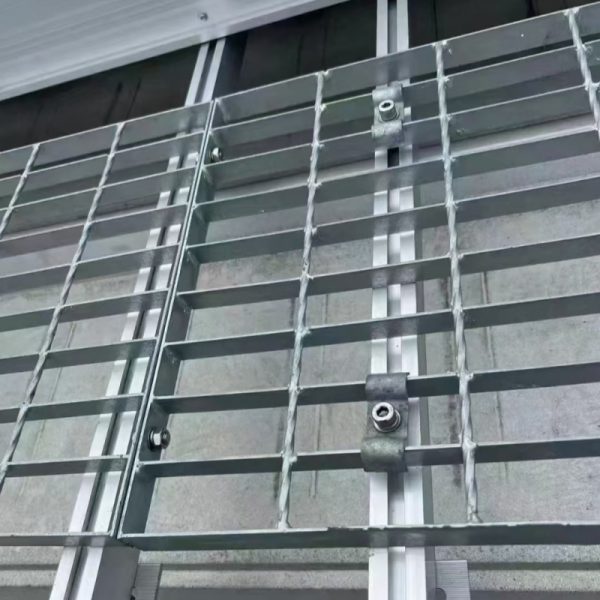
Grating clips and fasteners are essential auxiliary accessories consisting of a top saddle plate, a toothed bottom clamp, a hex socket bolt, and a nut. They are designed to securely fix grating panels to the supporting structure, providing a robust connection that is easy to install and remove without the need for welding.
These fixing systems are widely used with various grating types, including welded grating and press locked grating, ensuring stable and safe installations.
As an
→ Industrial Bar Grating manufacturer
we provide both grating and matching fasteners to eliminate on-site compatibility issues.
To ensure everything fits correctly, you can
→ Shop our Steel Grating
and source the full system together.
Types of Grating Clips
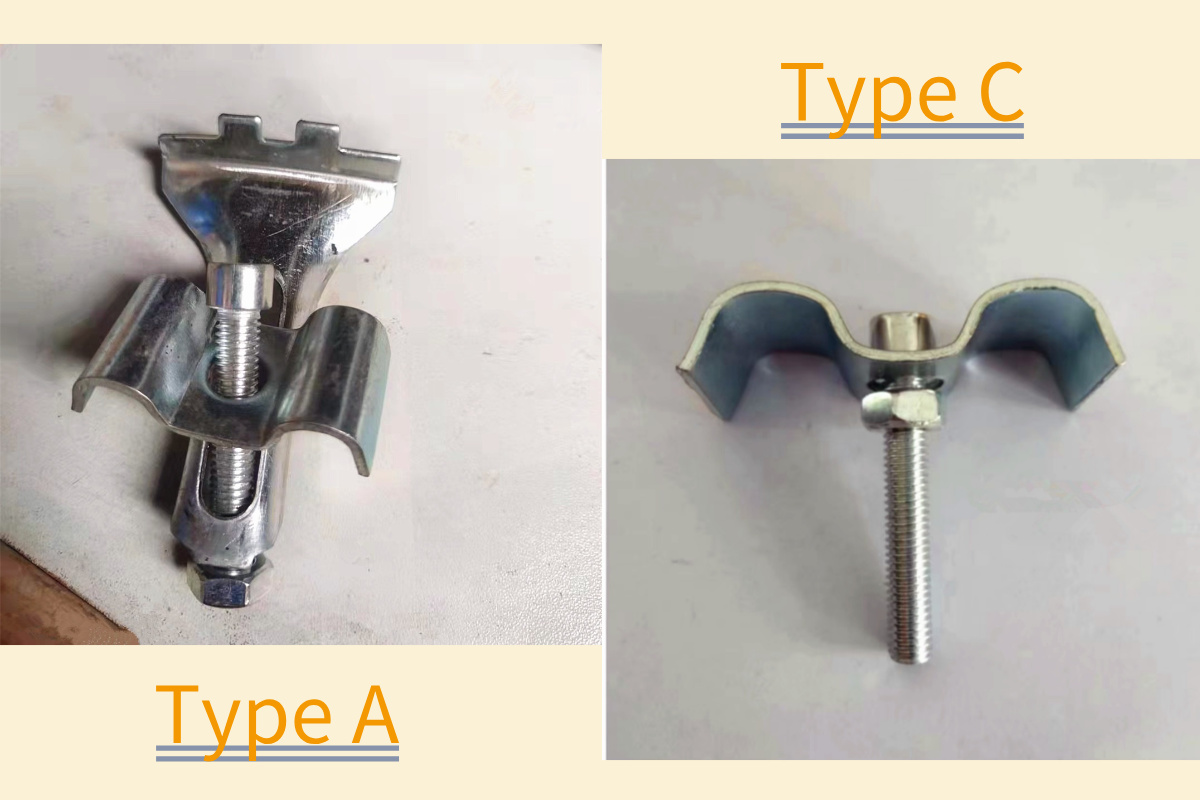
Including Type A clips and Type C clamps,Standard solution for most grating panels.
Type A: Consists of a top plate with double hooks, a toothed bottom clamp, and an M8 hex socket bolt. This is the most common type, suitable for most standard steel gratings.
Type C: Consists of a top plate with double hooks and a threaded stud that can be welded directly to the supporting structure.
Fasteners are often the weakest point in a system—especially if they rust before the grating.
We eliminate that risk.
Our fasteners share the same hot-dip galvanized standard as our gratings, ensuring the entire floor system lasts for decades.
Designed to match our grating systems for:
As an
→ Industrial Bar Grating Factory
we ensure every fastener works with your grating—not against it.
For full compatibility, we recommend reviewing your system together with
→ Explore Steel Grating Series
Choosing the right fastener type and quantity saves time on-site and avoids installation issues.
Ensure a perfect fit for your project. Send us your grating specifications, and we will recommend the correct type and quantity of fasteners.
Need help calculating the quantity? Tell us your total floor area, and our team will calculate the exact number of clips required for your project.
Q1:What information should I provide for a Grating Clips & Fasteners quotation?
A:Please provide the grating type, panel size, bearing bar spacing, support beam details, installation method, and whether the panels need to be removable. If you can share the total floor area or layout drawing, we can also help estimate the correct fastener type and quantity.
Q2:How do I choose the right grating clips for my project?
A:The right grating clips depend on the grating specification, support structure, load condition, and maintenance requirement. Saddle clips are suitable for most standard panels, A-clips are ideal for no-weld installation, and C-clips are often used where stronger fixing or easier removal is required.
Q3:Can grating fasteners be used without welding?
A:Yes. Many grating fasteners are designed for no-weld installation, allowing panels to be fixed with bolts and clamps. This helps protect the galvanized coating, reduces on-site hot work, improves installation speed, and makes future maintenance or panel replacement much easier.
Q4:What is the difference between saddle clips, A-clips, and C-clips?
A:Saddle clips, also called M-clips, are commonly used for standard steel grating panels. A-clips use a top plate, bottom clamp, and bolt for fast no-weld installation. C-clips are suitable for heavier-duty fixing or applications where the grating may need to be removed regularly.
Q5:Are galvanized grating clips suitable for outdoor use?
A:Yes. Galvanized grating clips are suitable for outdoor platforms, walkways, drainage covers, and industrial flooring systems. Hot-dip galvanizing helps protect the fasteners from corrosion, reducing the risk of rust, loosening, and premature failure in humid or exposed environments.
Q6:How many clips are needed for each grating panel?
A:The required quantity depends on panel size, support layout, load condition, and whether the grating is used in a pedestrian or industrial area. As a general rule, clips should be placed at key support points to prevent movement, vibration, or lifting during use.
Q7:Can Grating Clips & Fasteners match different steel grating types?
A:Yes. Grating Clips & Fasteners can be selected to match welded steel grating, press locked grating, galvanized grating, stair treads, and other flooring systems. To ensure proper fit, the bearing bar spacing, panel thickness, and support beam structure should be confirmed before ordering.
Q8:Why choose clips instead of welding steel grating panels directly?
A:Clips are often preferred because they avoid damaging the galvanized coating, reduce installation labor, and allow panels to be removed for cleaning, inspection, or replacement. Welding may be suitable for permanent fixing, but clips provide better flexibility for many industrial flooring projects.
Q9:How do you ensure fastener compatibility with the grating panels?
A:Compatibility is checked by reviewing the grating type, bearing bar size, spacing, support beam position, and installation method. Matching the fastener correctly helps ensure accurate positioning, even load transfer, and stable long-term performance without panel movement or loosening.
Q10:How are Grating Clips & Fasteners packed for export delivery?
A:Grating Clips & Fasteners are usually packed in cartons, bags, or reinforced boxes depending on quantity and fastener type. For project orders, accessories can be packed together with grating panels or separately labeled to make on-site sorting, installation, and inventory checking easier.