Press Locked vs Welded Steel Grating
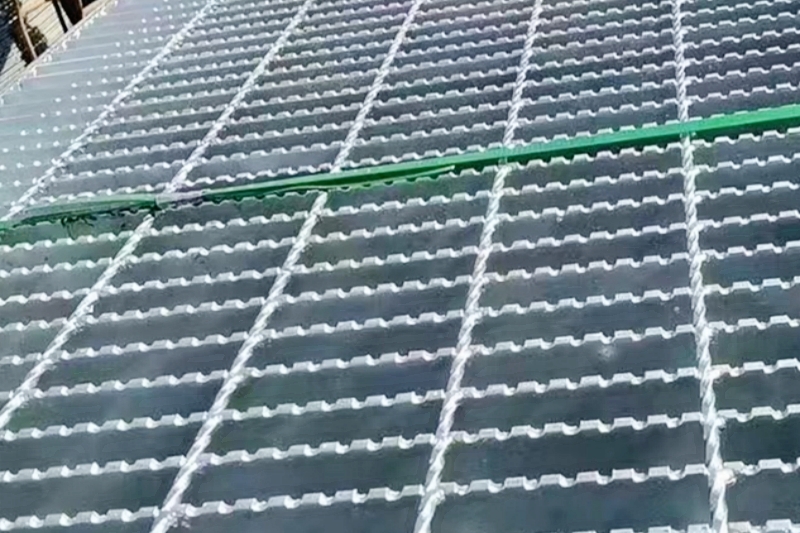
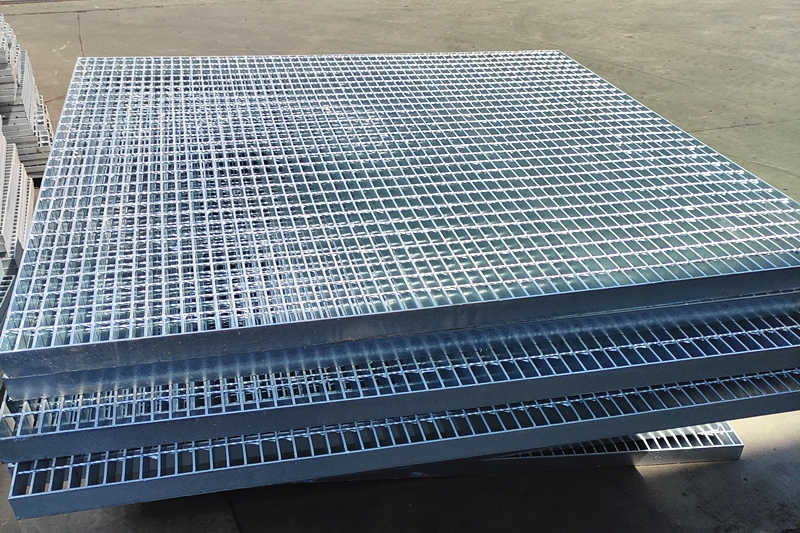
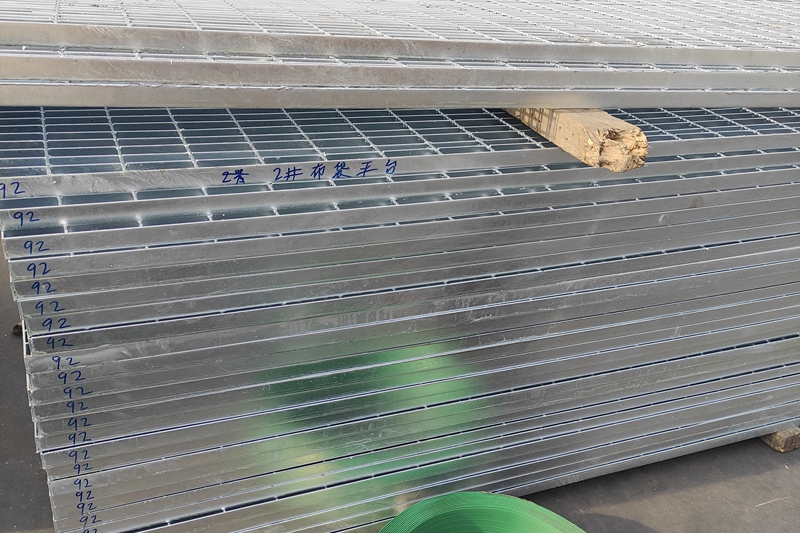
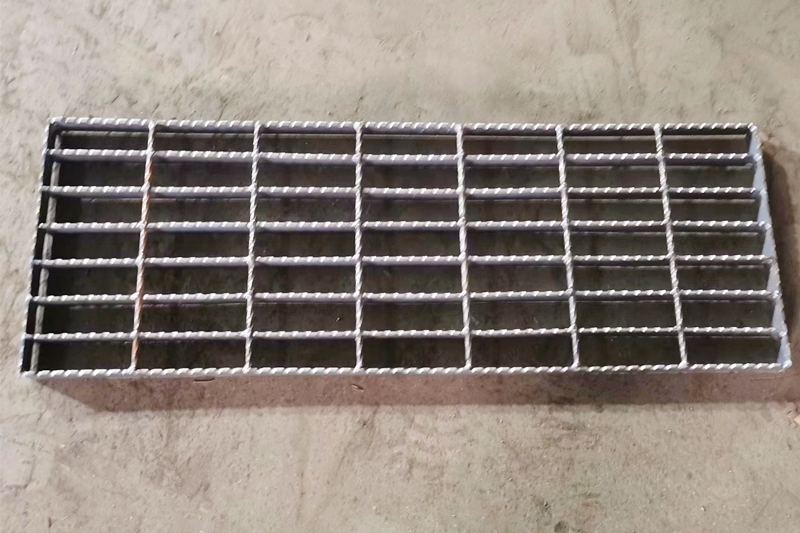
Press locked and welded steel grating are two common manufacturing types used in industrial and architectural applications. Although both provide structural strength and load-bearing capacity, their production methods and performance characteristics differ significantly.
As an experienced bar grating manufacturer, we supply both types to meet various structural and aesthetic requirements.
1. What Is Welded Steel Grating?
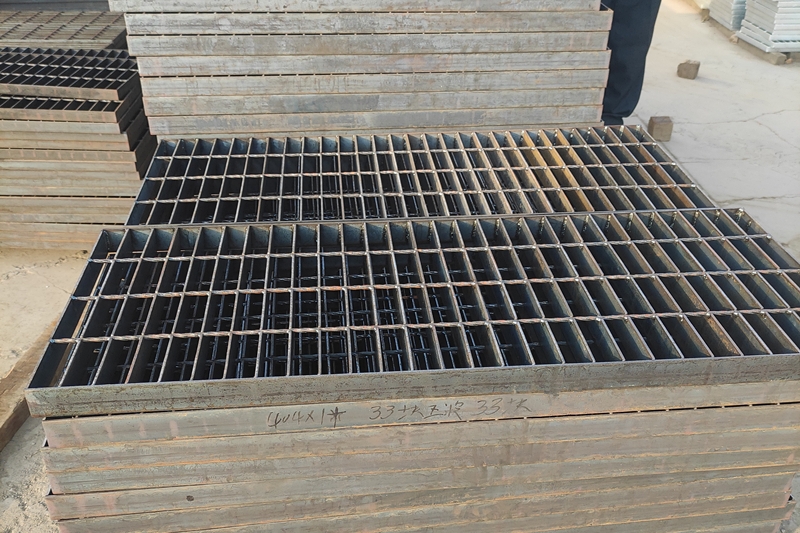
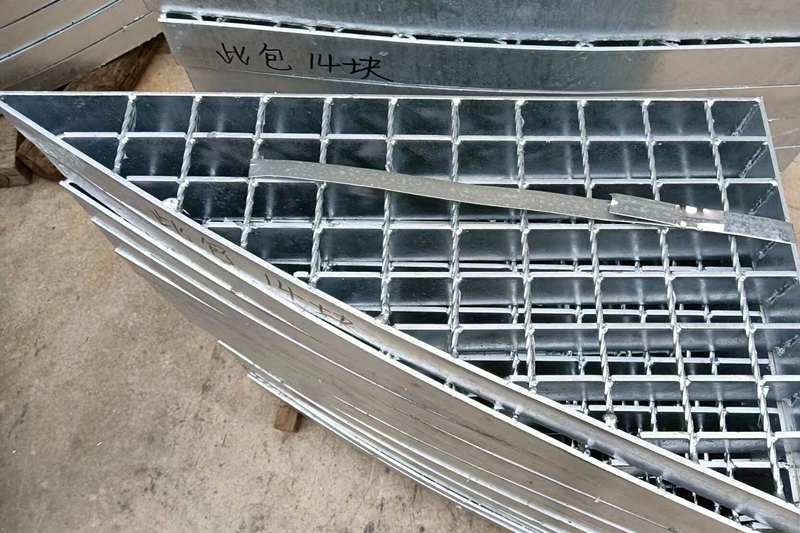
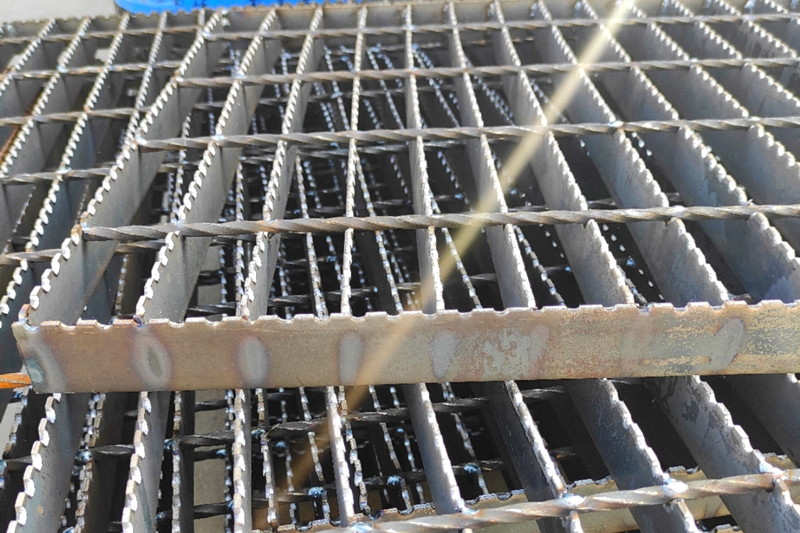
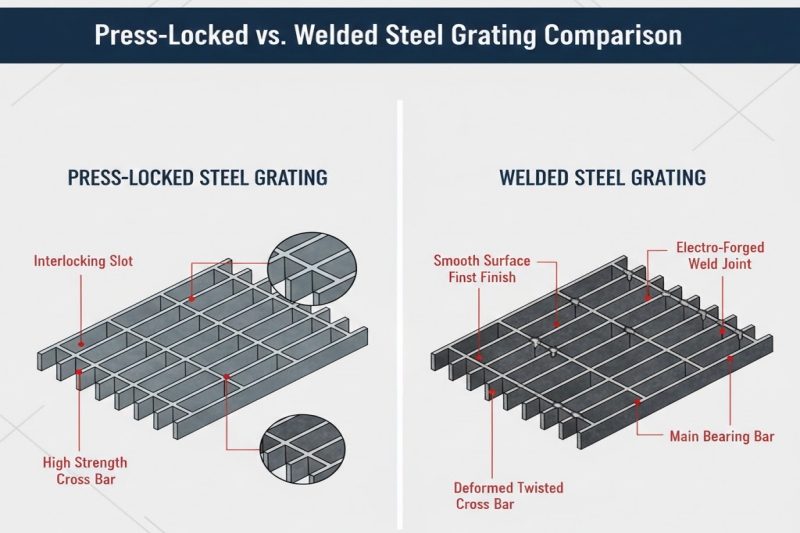
Welded Steel Grating is manufactured by electrically welding cross bars to bearing bars under high pressure and temperature. This creates a rigid and durable panel structure.
- High structural strength
- Cost-effective production
- Suitable for heavy industrial use
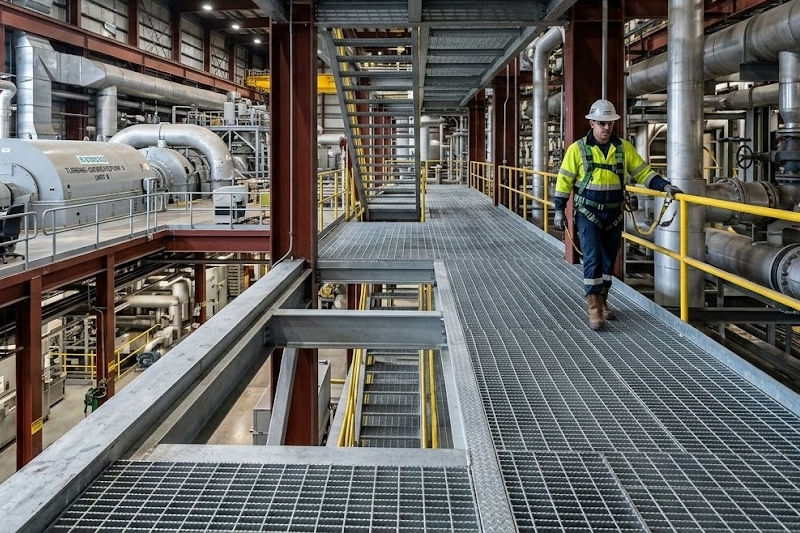
- Commonly used for platforms and walkways
2. What Is Press Locked Steel Grating?
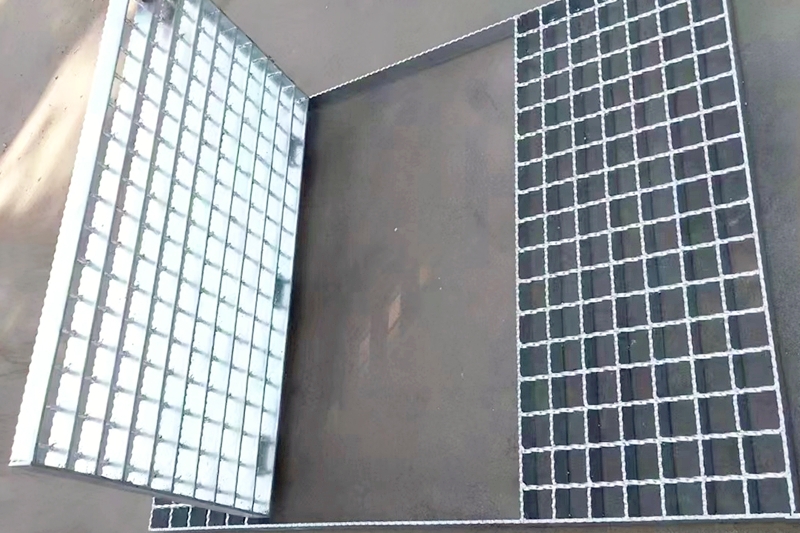
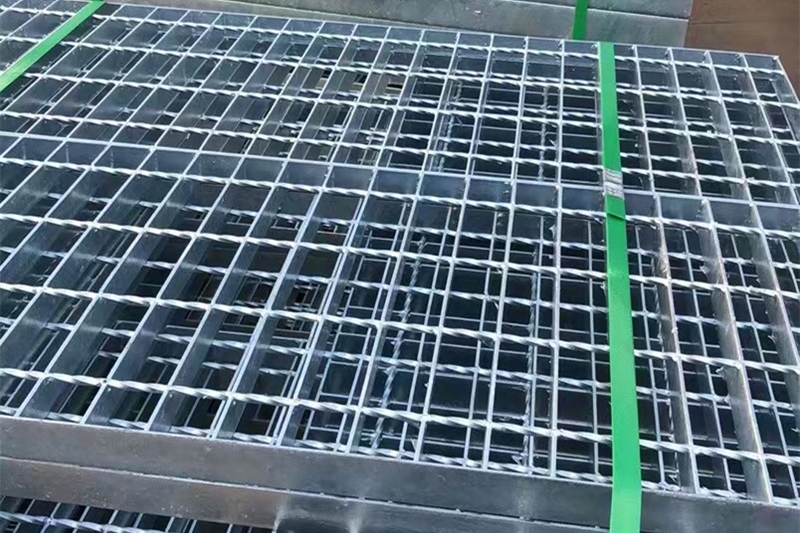
Press Locked Steel Grating is manufactured by mechanically locking cross bars into slotted bearing bars using high pressure. No welding is involved in the assembly process.
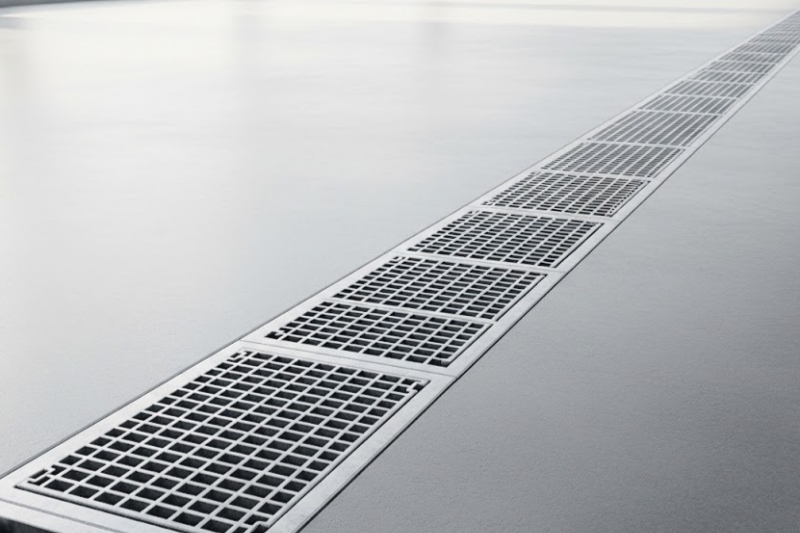
- Clean and smooth appearance
- Architectural and decorative applications
- Good dimensional accuracy
- Suitable for light to medium loads
3. Key Differences
| Feature | Welded Steel Grating | Press Locked Steel Grating |
|---|---|---|
| Manufacturing Method | Electric resistance welding | Mechanical press locking |
| Strength | Higher structural strength | Moderate load capacity |
| Appearance | Industrial look | Smooth and architectural finish |
| Typical Use | Heavy-duty platforms | Architectural and light industrial |
4. Which One Should You Choose?
For heavy-duty industrial environments, welded grating is typically the preferred option due to its superior load-bearing performance.
For projects where visual appearance and precision are important, press locked grating provides a more refined finish.
In demanding applications such as vehicle traffic or high load zones, Heavy Duty Steel Grating should be considered to ensure safety and durability.
Conclusion
Both welded and press locked steel grating offer reliable performance when selected appropriately. Understanding manufacturing differences, structural requirements, and project objectives will help determine the most suitable grating solution.