Steel Grating Open Area Calculation Guide
Open area is an important factor in steel grating design, especially for drainage systems, ventilation platforms, and cooling tower applications. A higher open area improves airflow and water discharge, while a lower open area increases load capacity.
This guide explains how to calculate steel grating open area and how spacing and bar dimensions influence performance.
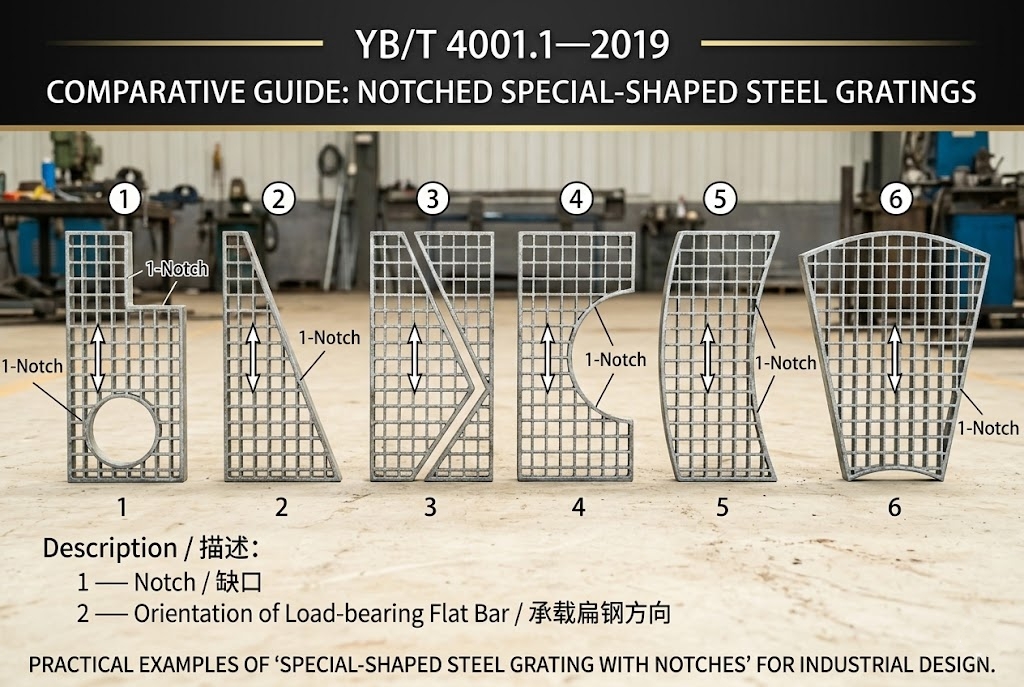
1. What Is Open Area in Steel Grating?
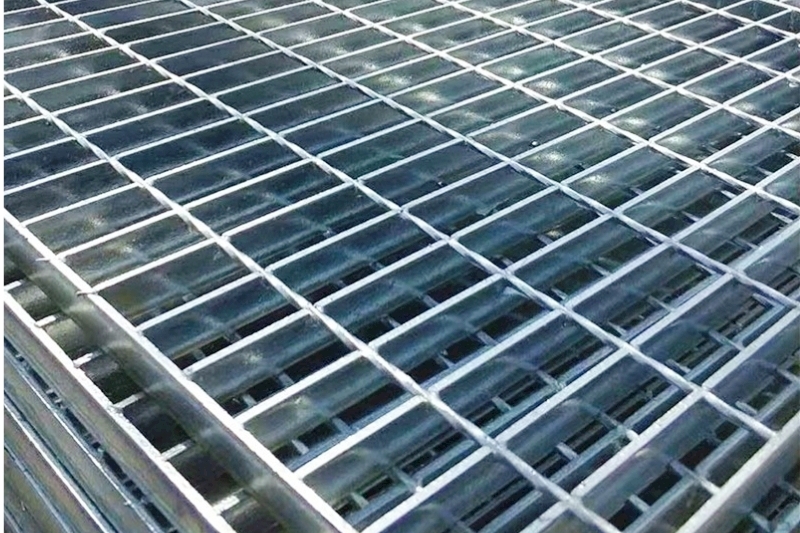
Open area refers to the percentage of empty space within a grating panel. It determines how much liquid, air, or light can pass through the structure.
- Higher open area = better drainage and ventilation
- Lower open area = stronger load performance
- Spacing and bar width directly affect open ratio
2. Basic Open Area Formula
For welded steel bar grating, the simplified open area calculation formula is:
Open Area (%) = (Clear Space Between Bearing Bars ÷ Center-to-Center Spacing) × 100
Example for 19-W-4 grating:
- Bearing bar thickness: 5 mm
- Center spacing: 30 mm
- Clear space = 30 − 5 = 25 mm
- Open Area ≈ (25 ÷ 30) × 100 = 83%
Actual open area may vary slightly depending on cross bar size and manufacturing tolerances.
3. How Spacing Affects Open Area
Increasing bearing bar spacing significantly increases open area percentage. For example:
- 15-W-4 → lower open area, higher strength
- 19-W-4 → balanced performance
- 40-W-4 → very high open area, light duty use
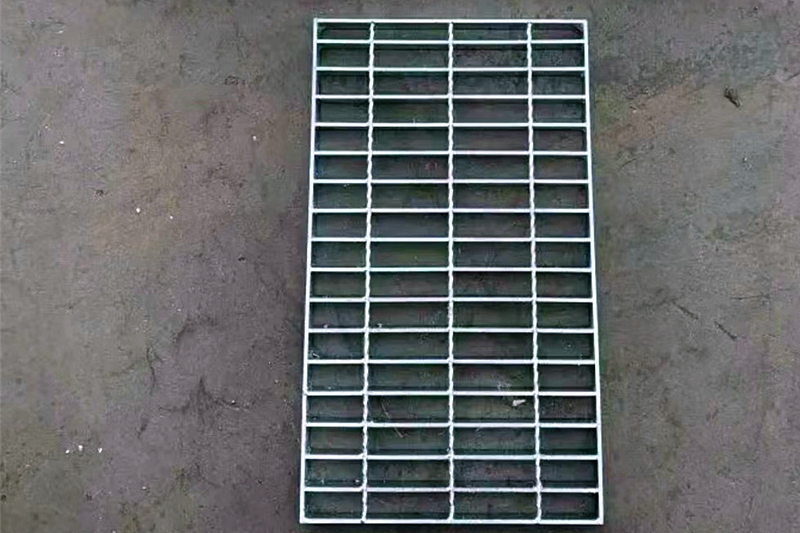
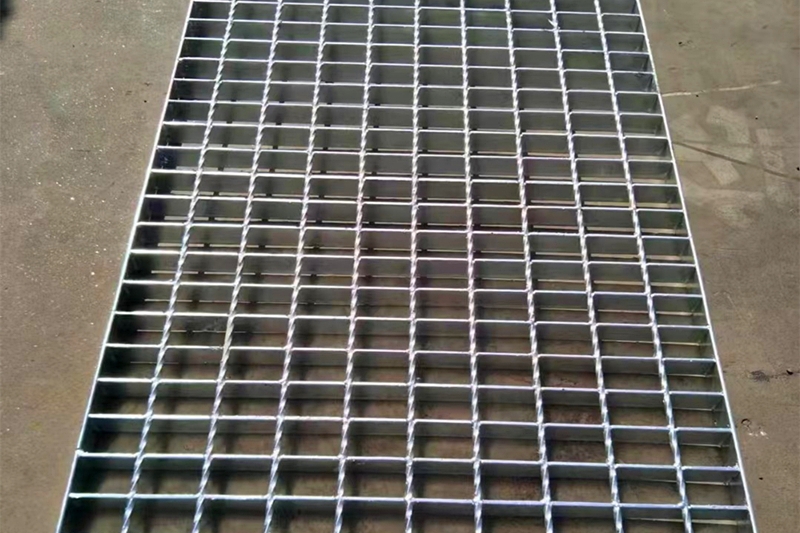
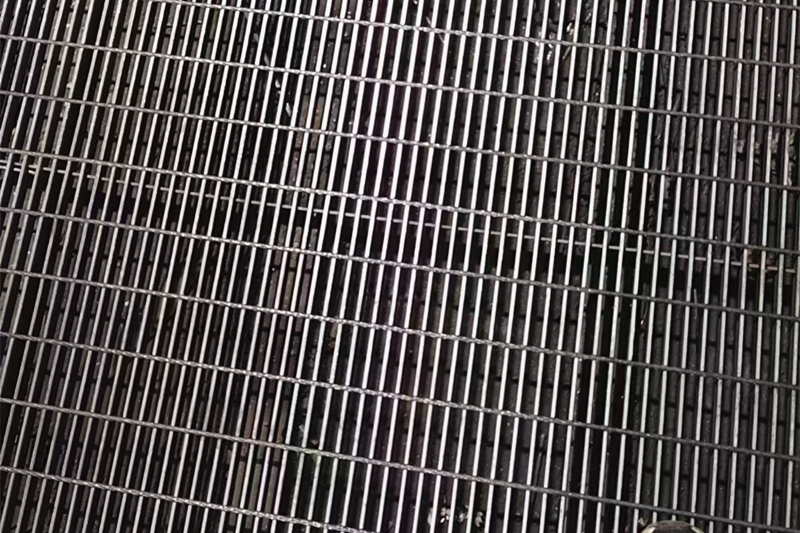
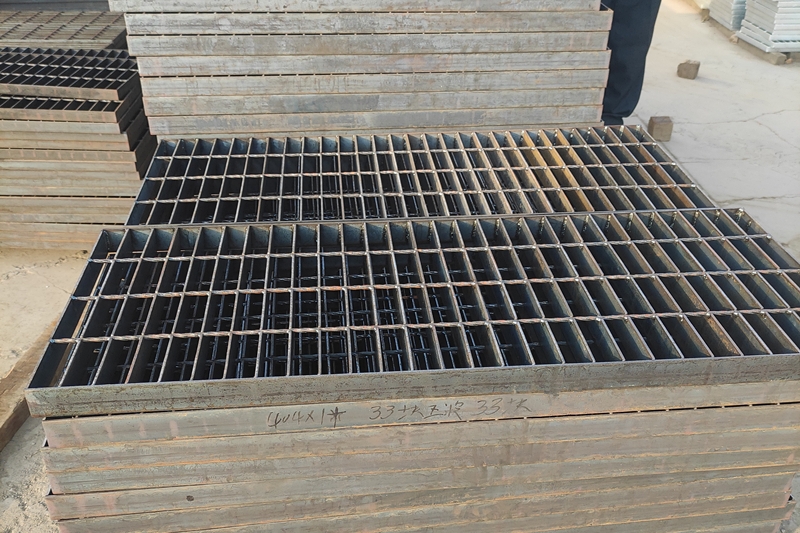
Applications requiring maximum drainage often use large-spacing panels such as welded steel grating with wider bearing bar intervals.
4. Practical Applications of Open Area Design
- Wastewater treatment platforms
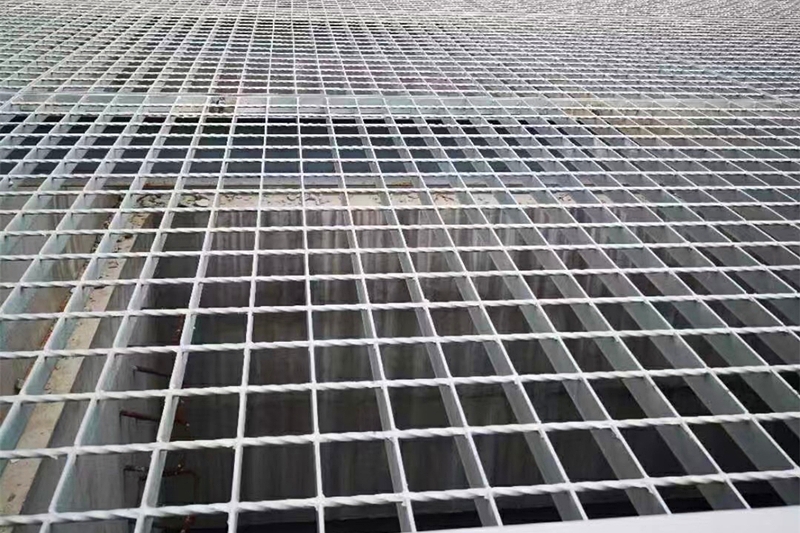
- Cooling tower floors
- Stormwater trench systems
- Industrial ventilation walkways
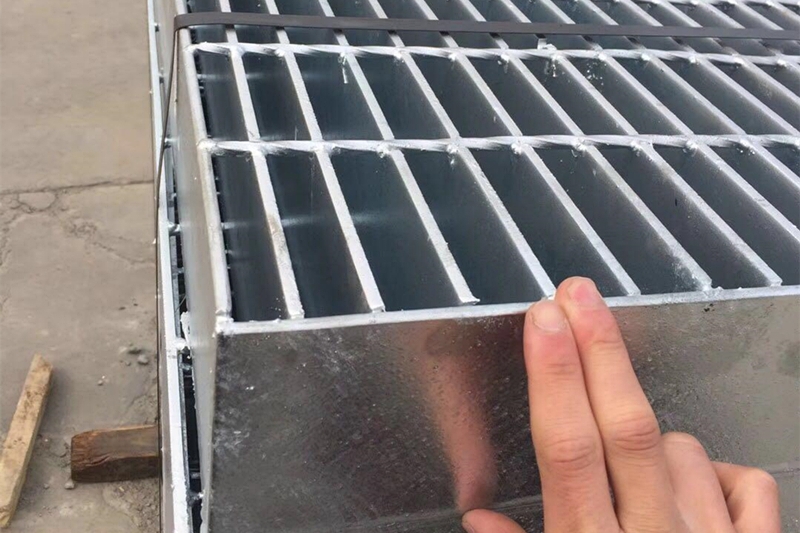
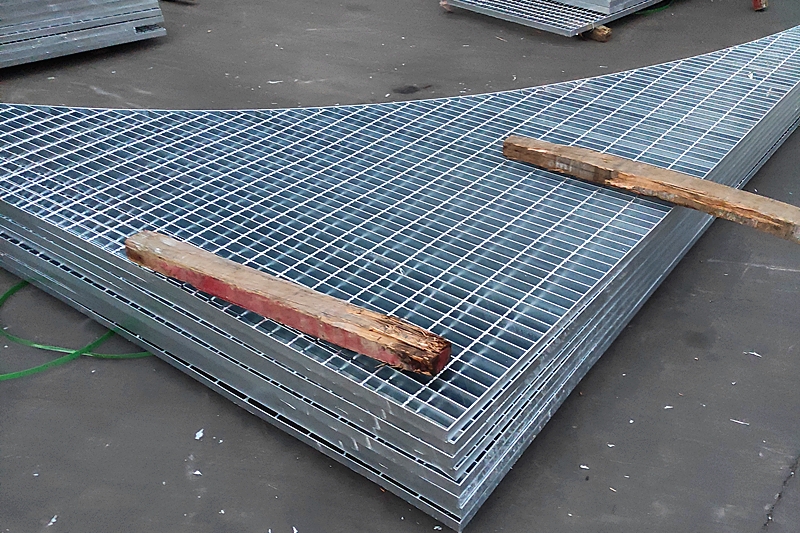
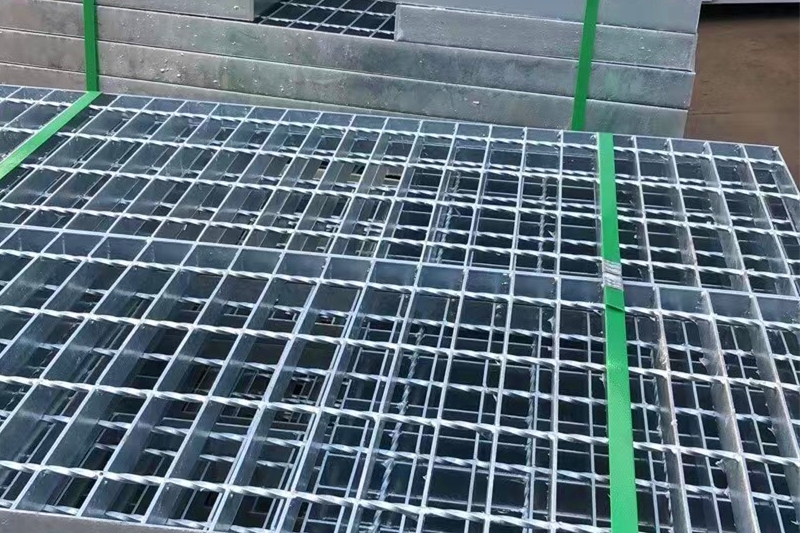
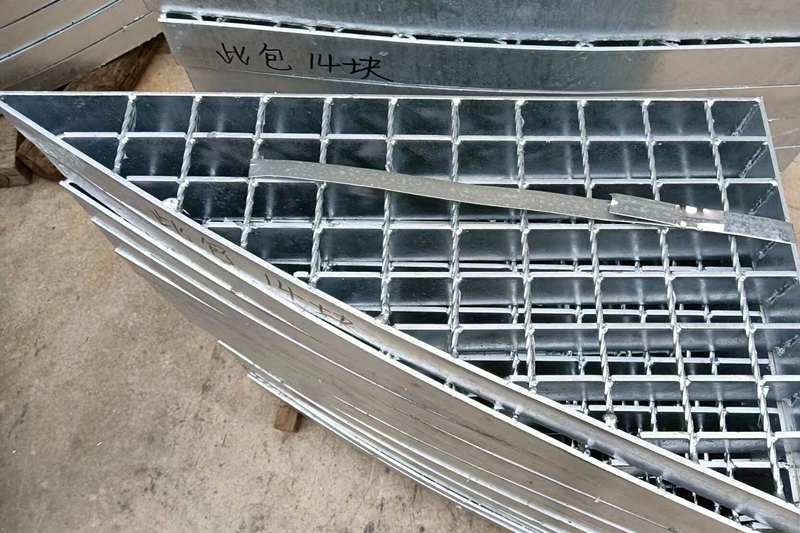
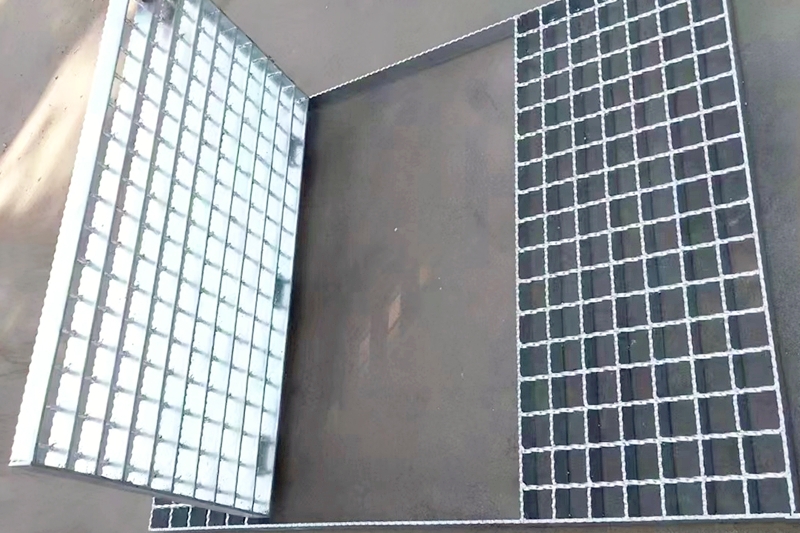
When both corrosion resistance and open area are required, engineers frequently select galvanized steel grating to extend service life.
5. Engineering Considerations
- Higher open area reduces panel weight
- Load capacity must be checked before increasing spacing
- Open area design must match project standards
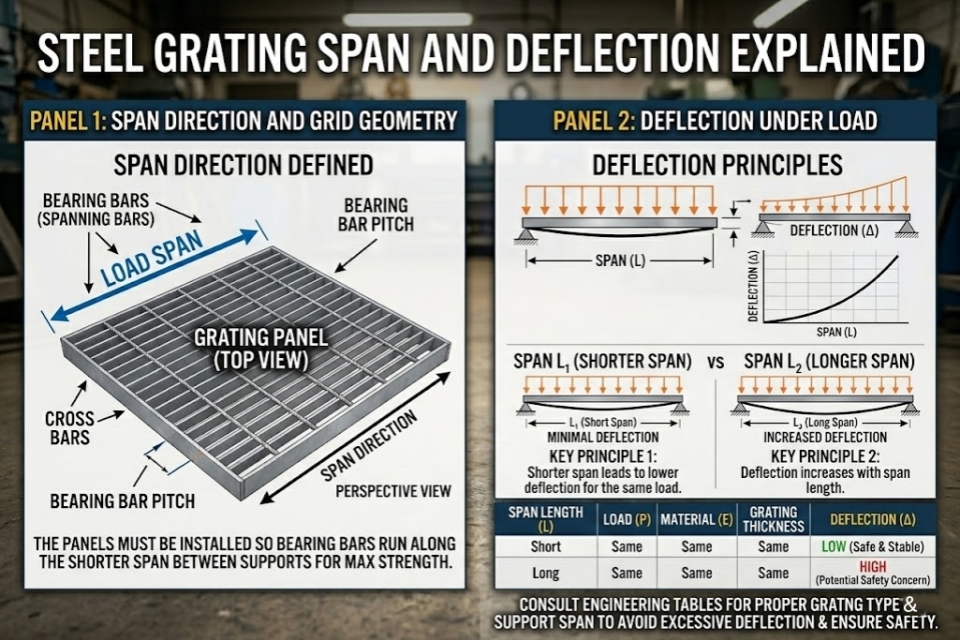
- Always verify span direction and support spacing
For project-specific calculations and panel optimization, consulting a professional Steel Grating factory ensures structural compliance and manufacturing accuracy.
Conclusion
Steel grating open area plays a critical role in drainage efficiency, ventilation performance, and structural behavior. Proper calculation and specification balance airflow requirements with load capacity and long-term durability.