





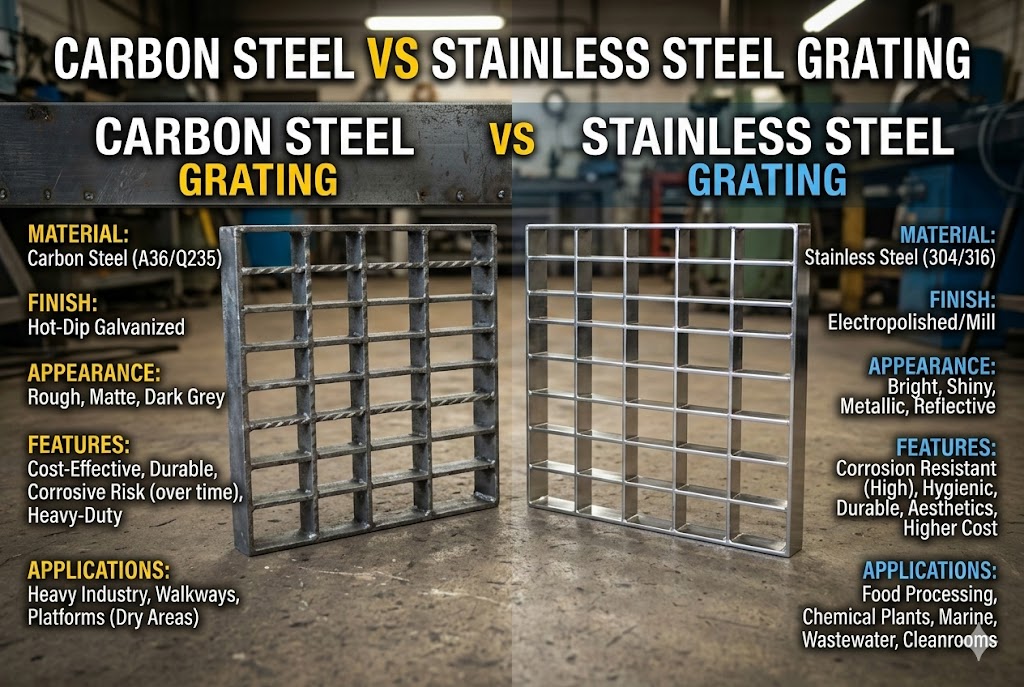
Carbon Steel vs Stainless Steel Grating: Key Differences
Choosing between carbon steel and stainless steel grating depends on environmental exposure, corrosion requirements, and project budget. Both materials provide strong structural performance, but their durability and long-term cost vary significantly.
As an experienced Steel Grating manufacturer, we supply both carbon and stainless steel grating systems for industrial and infrastructure applications worldwide.
1. What Is Carbon Steel Grating?
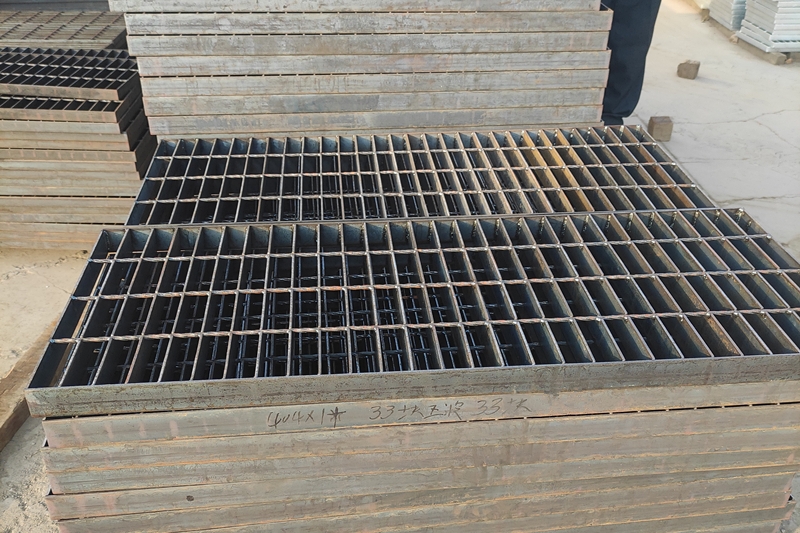
Steel Bar Grating made from carbon steel is the most widely used option in industrial projects. It offers excellent strength and load-bearing capacity at a competitive cost.
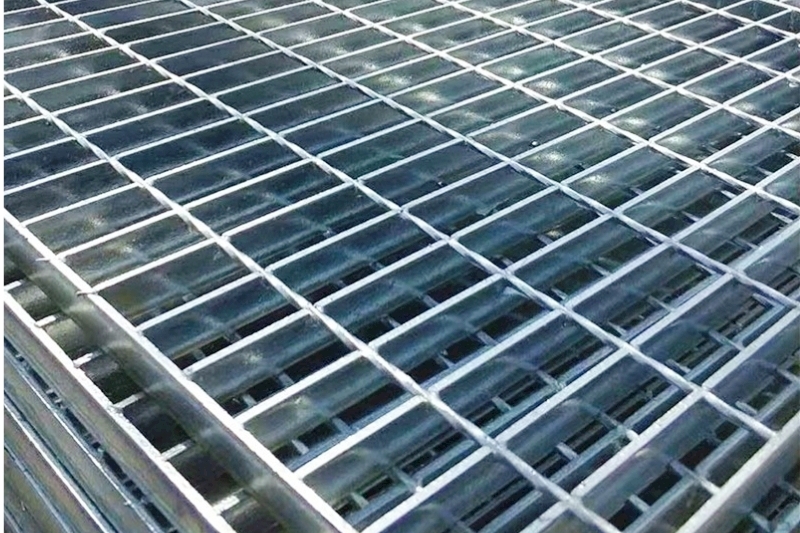
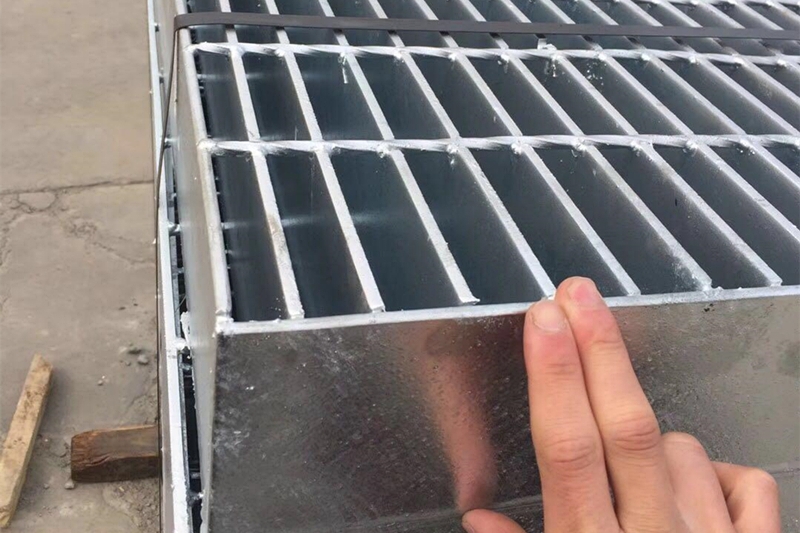
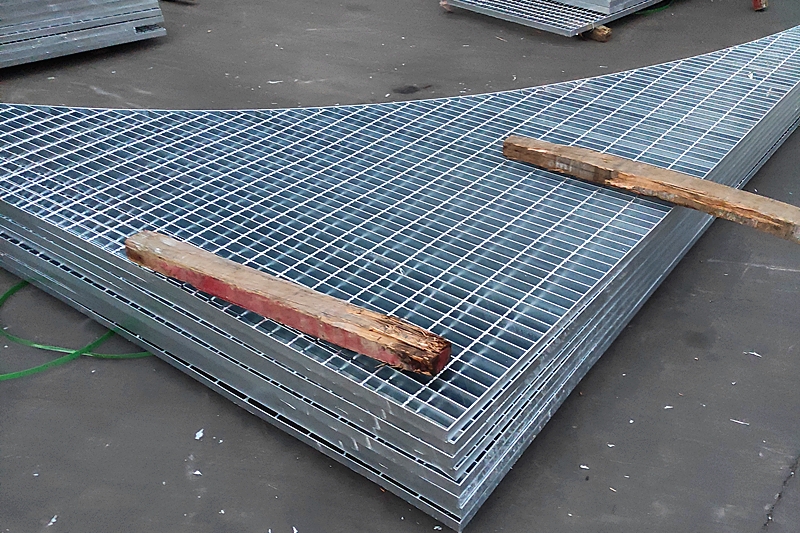
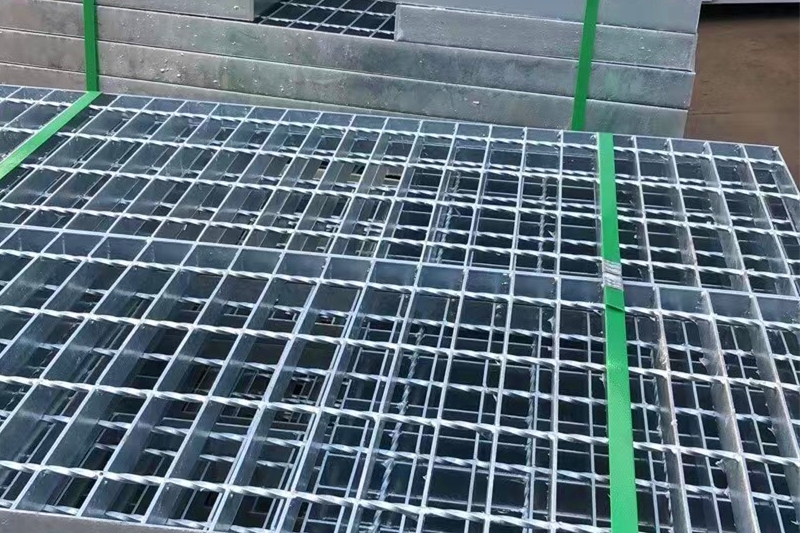
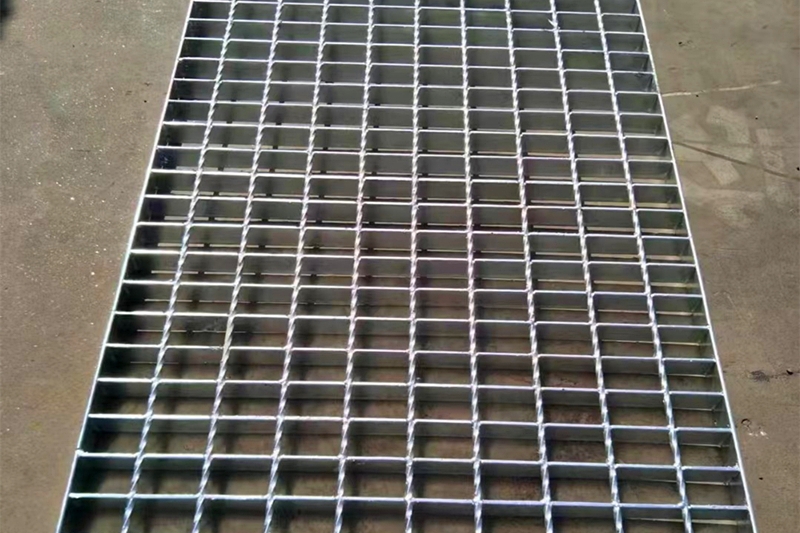
To improve corrosion resistance, carbon steel grating is typically hot-dip galvanized. Galvanized Steel Grating provides a protective zinc coating suitable for most outdoor and industrial environments.
- High structural strength
- Cost-effective material
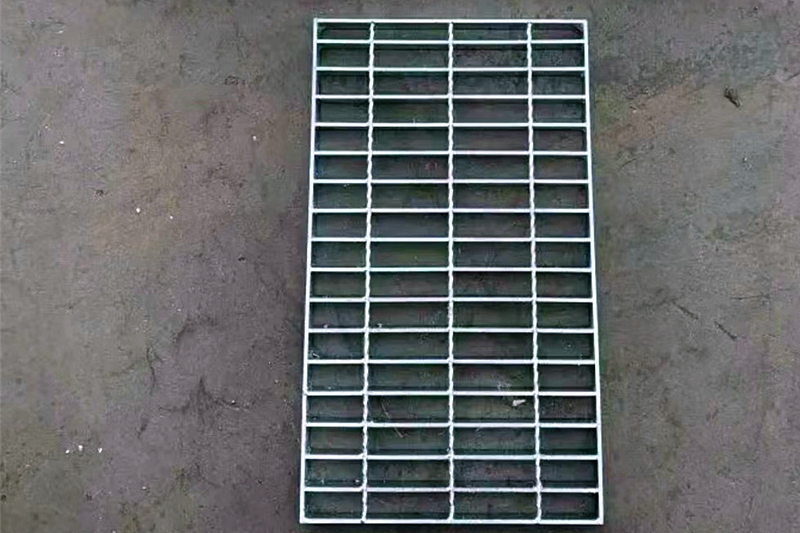
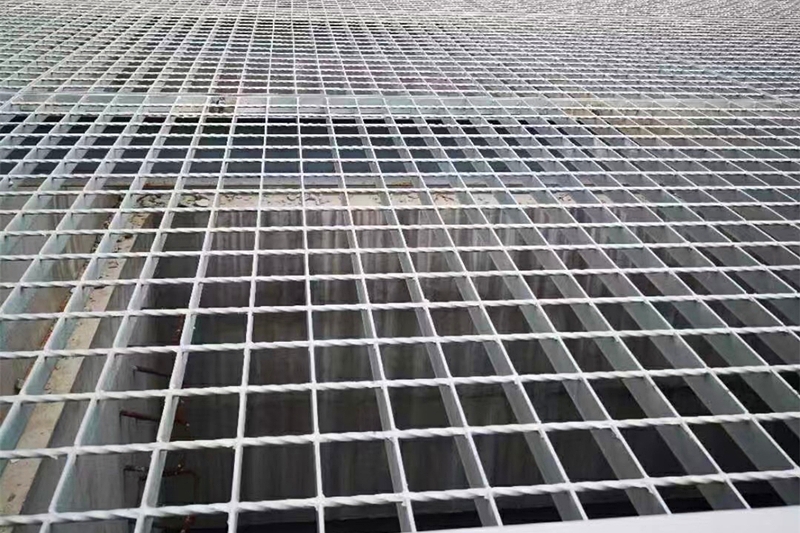
- Suitable for platforms, walkways, and trench covers
- Requires surface protection in corrosive environments
2. What Is Stainless Steel Grating?
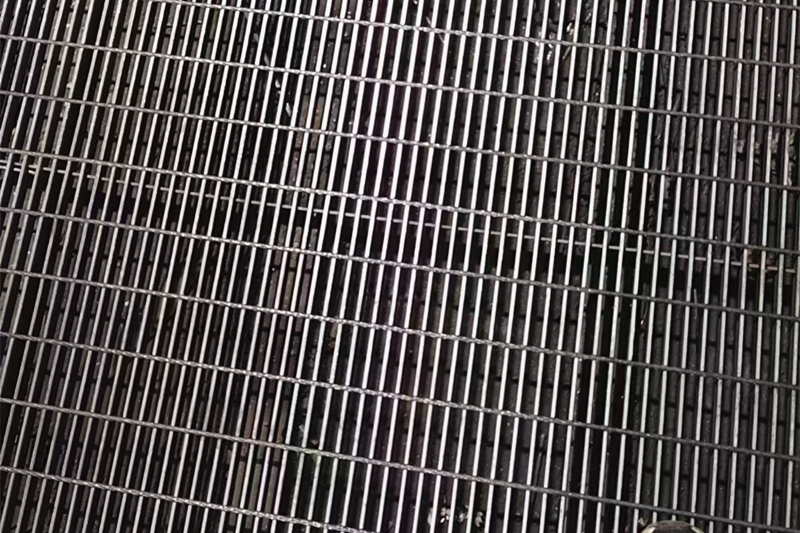
Stainless Steel Grating is manufactured using corrosion-resistant alloys such as 304 or 316 stainless steel. Unlike galvanized carbon steel, corrosion resistance is inherent in the material itself.
- Excellent chemical and saltwater resistance
- Superior durability in aggressive environments
- Lower long-term maintenance
- Higher initial material cost
3. Performance Comparison
| Feature | Carbon Steel (Galvanized) | Stainless Steel |
|---|---|---|
| Corrosion Resistance | High (zinc coating protection) | Very High (material-based protection) |
| Initial Cost | Lower | Higher |
| Maintenance | Low | Very Low |
| Best Application | Industrial platforms, walkways | Chemical, marine, food industry |
4. When to Choose Each Material
Carbon steel grating is ideal for standard industrial and outdoor environments where cost efficiency is important. For heavy load applications, Heavy Duty Steel Grating made from carbon steel is commonly specified.
Stainless steel grating is recommended for chemical plants, wastewater treatment facilities, and coastal projects where long-term corrosion resistance is critical.
Conclusion
Both carbon steel and stainless steel grating offer reliable structural performance. The correct choice depends on corrosion exposure, load requirements, and budget considerations. Proper material selection ensures long-term durability and reduced maintenance costs.
Contact our engineering team for professional guidance on selecting the right grating material for your project.