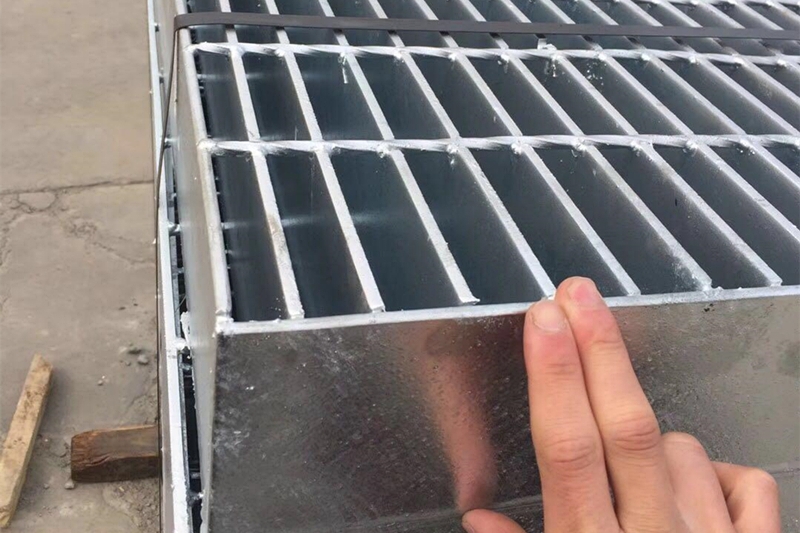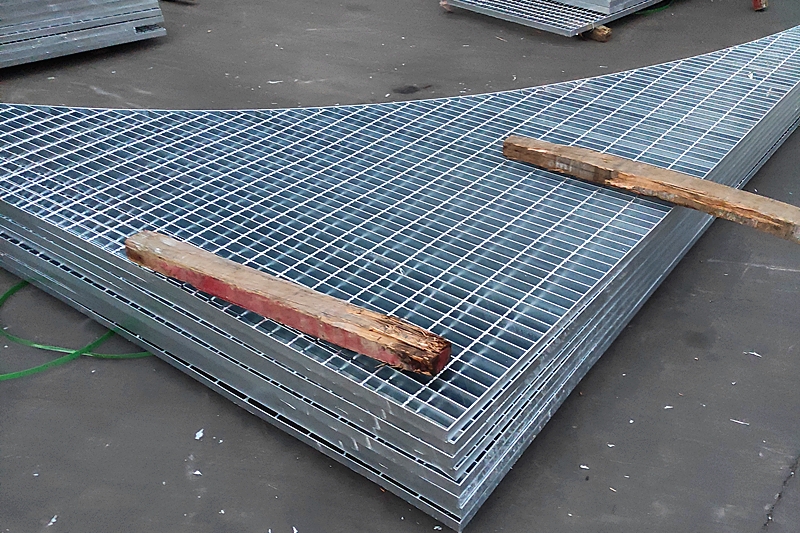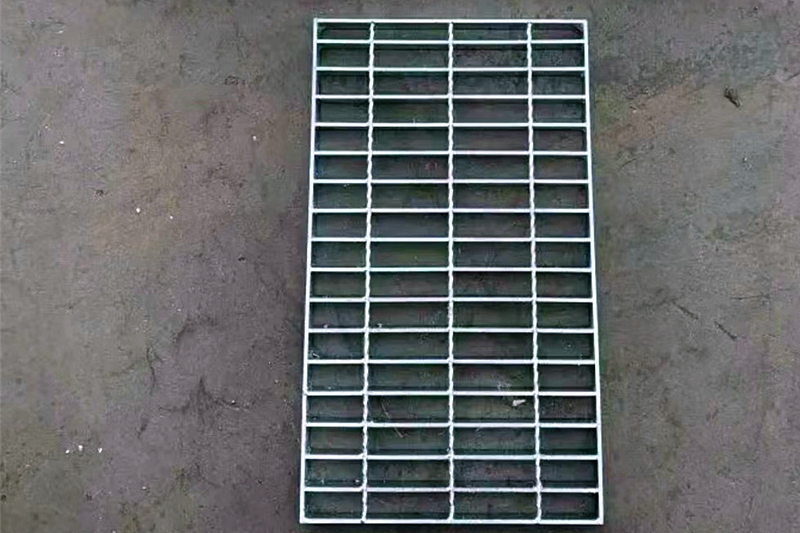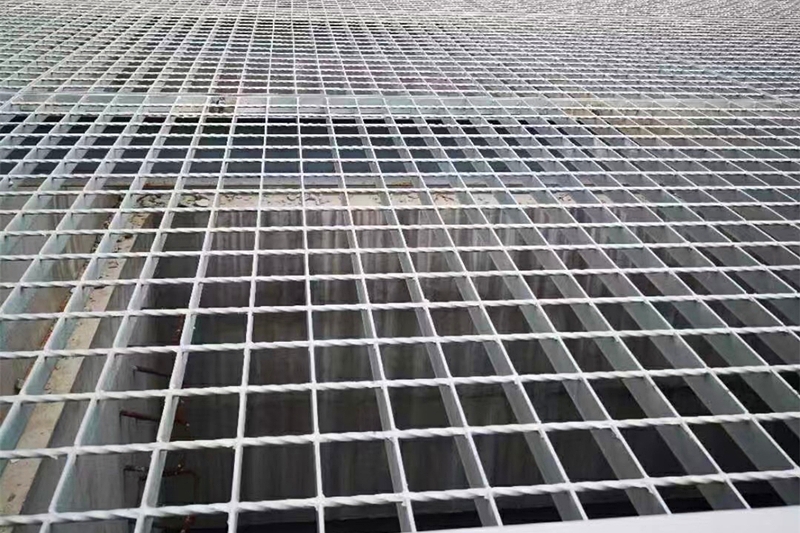





Steel bar grating is widely used for industrial flooring, elevated walkways, drainage covers, and stair systems.
This guide explains how to choose the right grating type based on load requirements and project conditions.
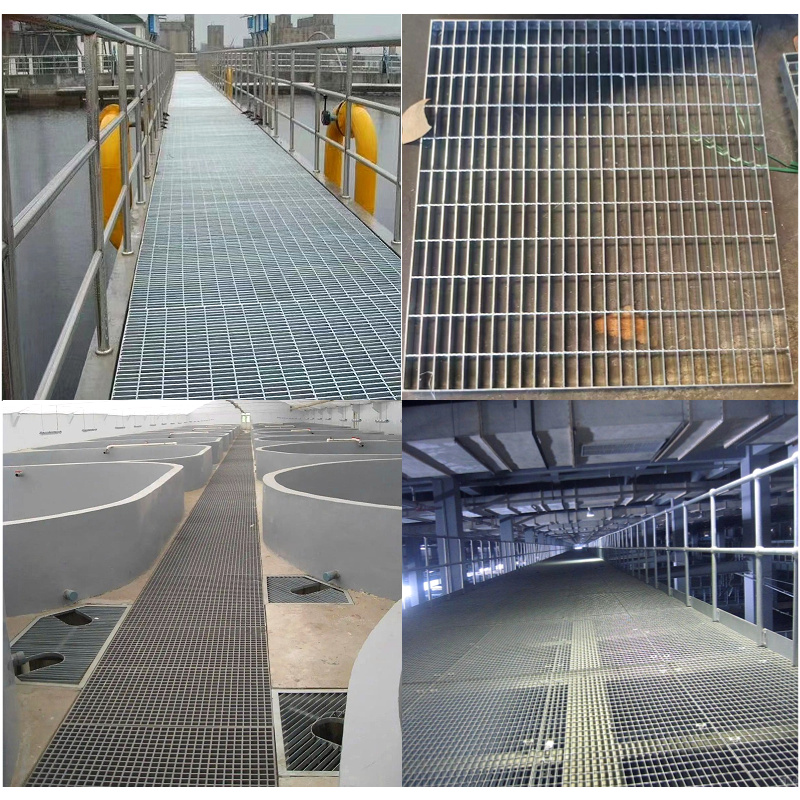
1. Standard Industrial Grating Types
The most common solution in industrial projects is
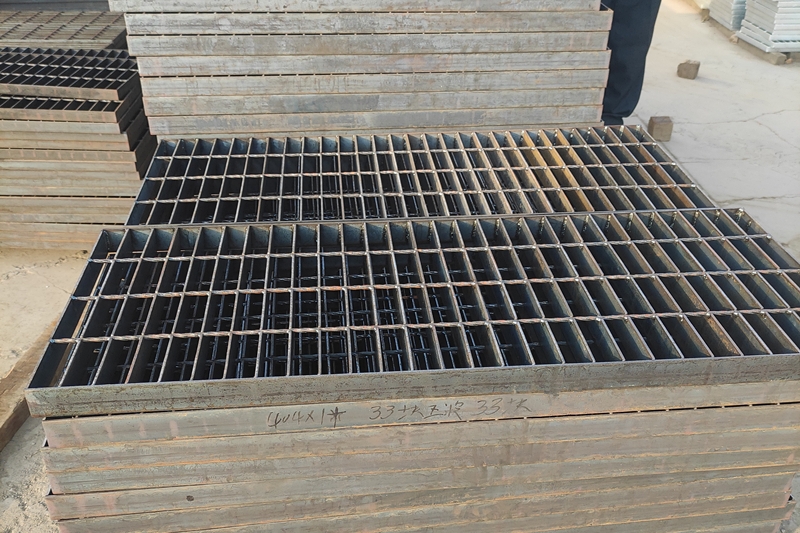
steel bar grating panels,
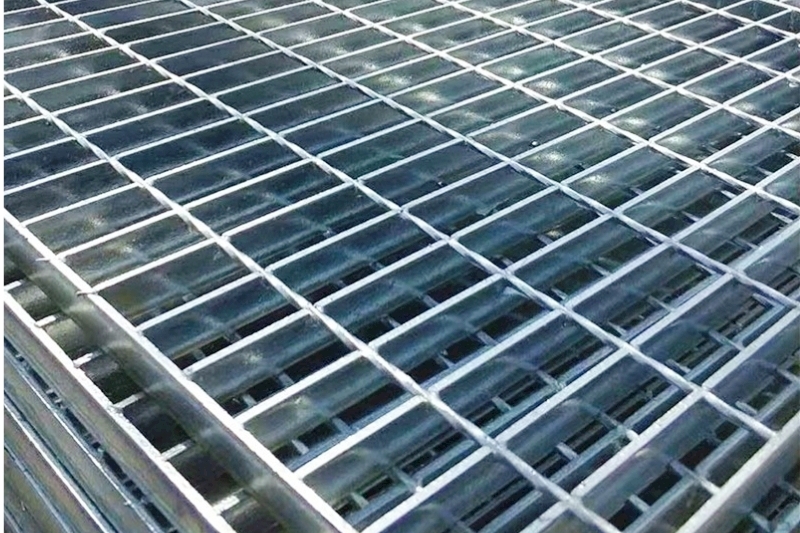
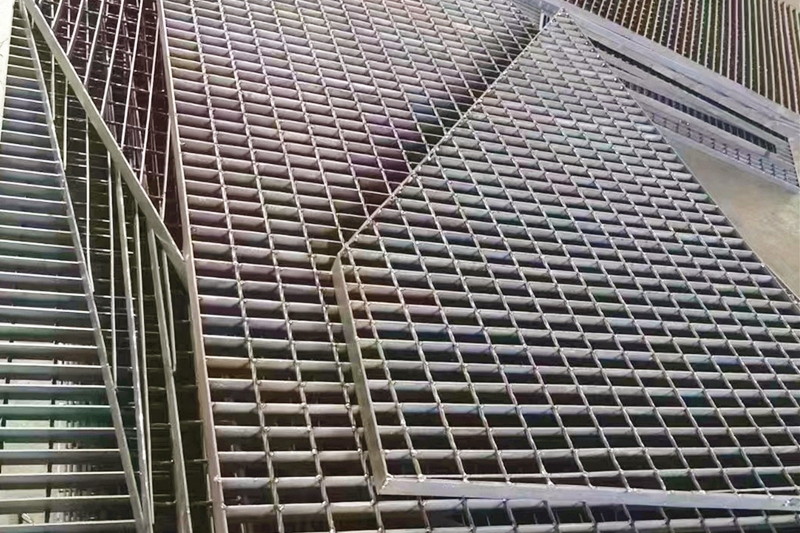
typically produced using a pressure welding process for structural stability.
For applications requiring high production efficiency and strong bonding,
welded grating systems
are widely adopted in platforms and factory walkways.
Architectural projects or areas demanding precise alignment often use
press-locked grating construction,
which provides a clean and uniform surface appearance.
For projects aiming to reduce weight while maintaining strength,
I-bar steel grating
offers an efficient alternative for large-area installations.
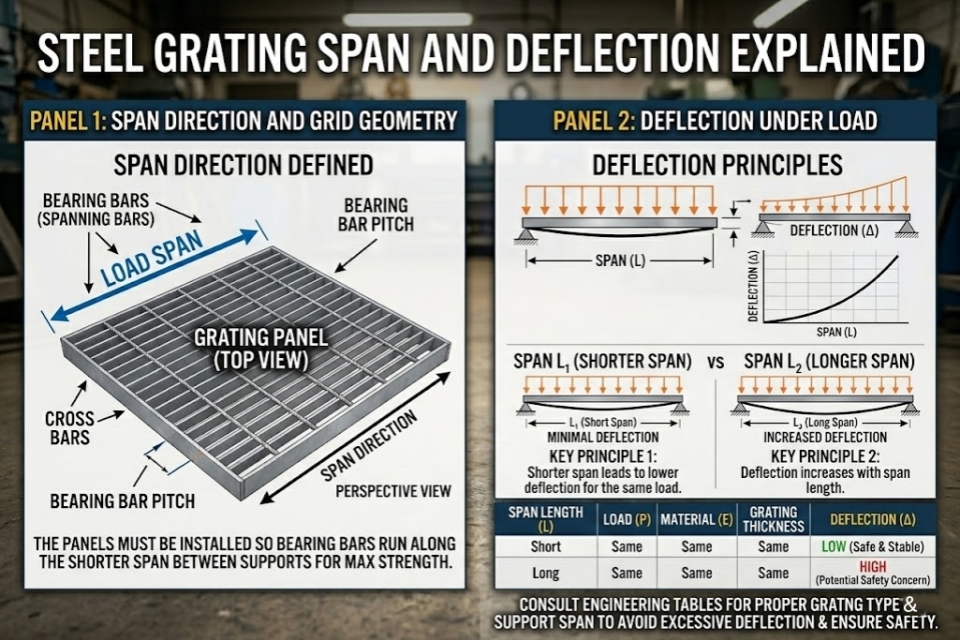
2. Load Capacity & Structural Strength
Heavy industrial environments such as ports, warehouses, and equipment platforms typically require
high load capacity grating
designed to withstand vehicle or forklift traffic.
In applications where long-term hygiene and corrosion resistance are essential,
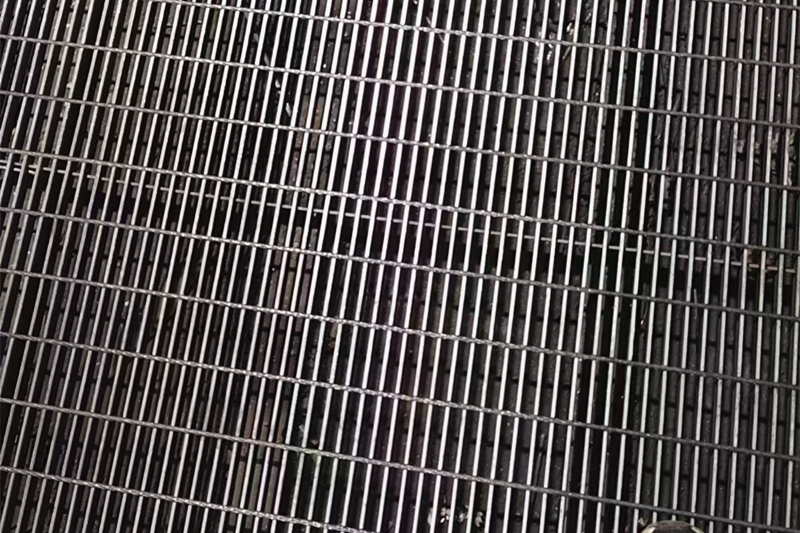
stainless steel grating systems
are widely used in chemical plants and food processing facilities.
3. Corrosion Protection & Surface Safety
For outdoor or humid environments,
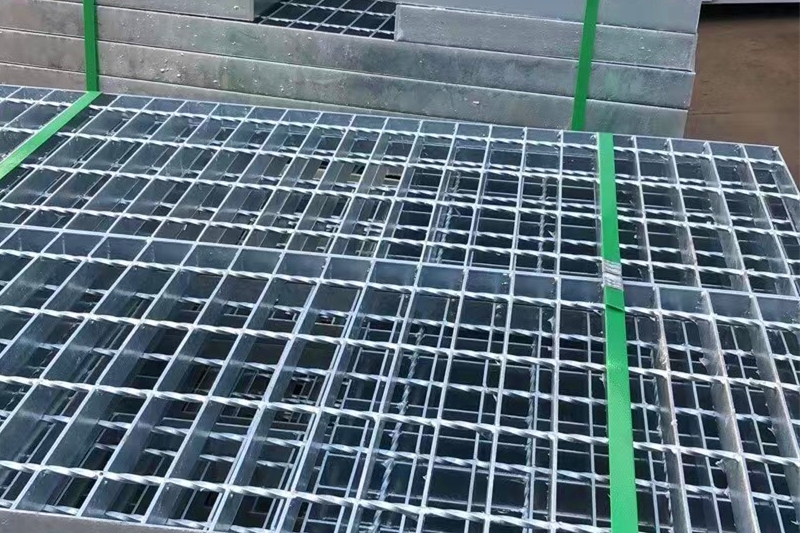
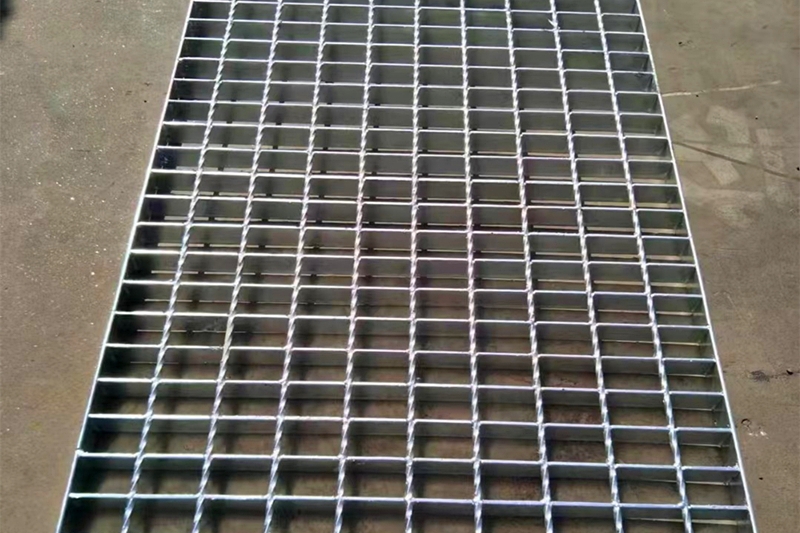
hot-dip galvanized grating
remains the preferred anti-corrosion solution.
Where slip resistance is critical, engineers frequently specify
serrated surface grating
to improve traction on walkways and working platforms.
In high-risk working areas, additional safety can be achieved using
anti-slip safety grating systems
designed for maximum grip and worker protection.
4. Application-Based Grating Solutions
Stair access systems require prefabricated
grating stair tread panels
with anti-slip nosing and secure installation features.
For drainage infrastructure and water management projects,
trench drain grate covers
are engineered for strength and hydraulic efficiency.
5. Specification & Custom Options
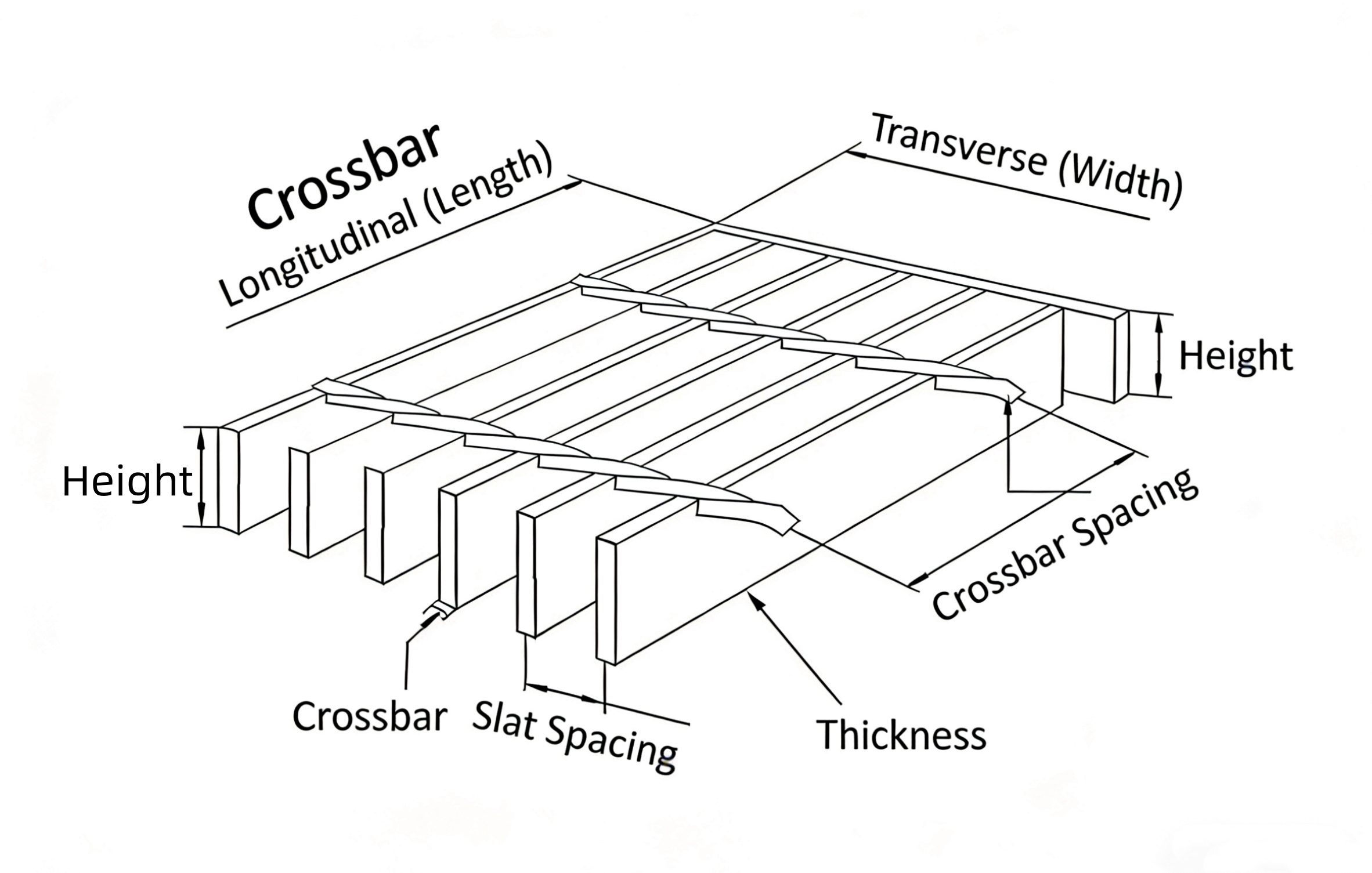
Different projects require variations in bar spacing, thickness, and surface treatment.
Selecting the correct configuration ensures both structural performance and long-term durability.
When projects require tailored dimensions or unique layouts,
custom fabrication services are available through our
made-to-order grating solutions.
Proper installation is also essential, and using reliable
grating clips & fasteners
helps ensure stability and safety in long-term use.
Conclusion
Selecting the correct grating type depends on structural load, environmental exposure, and safety performance requirements.
Understanding manufacturing differences and application scenarios ensures long-term durability and reliable performance in industrial environments.