





Steel Grating Load Calculation Guide
Proper load calculation is essential when selecting steel grating for industrial platforms, walkways, and structural flooring systems. Incorrect load assumptions can lead to deflection issues, safety risks, or premature structural failure.
As an experienced bar grating manufacturer, we help engineers and procurement managers choose the correct grating type based on load requirements and span conditions.
1. Understanding Load Types
Steel grating is typically designed to withstand three main types of loads:
- Uniform Load – Evenly distributed weight across the grating surface
- Concentrated Load – Load applied at a specific point
- Rolling Load – Dynamic load from carts or vehicles
2. Span and Bearing Bar Spacing
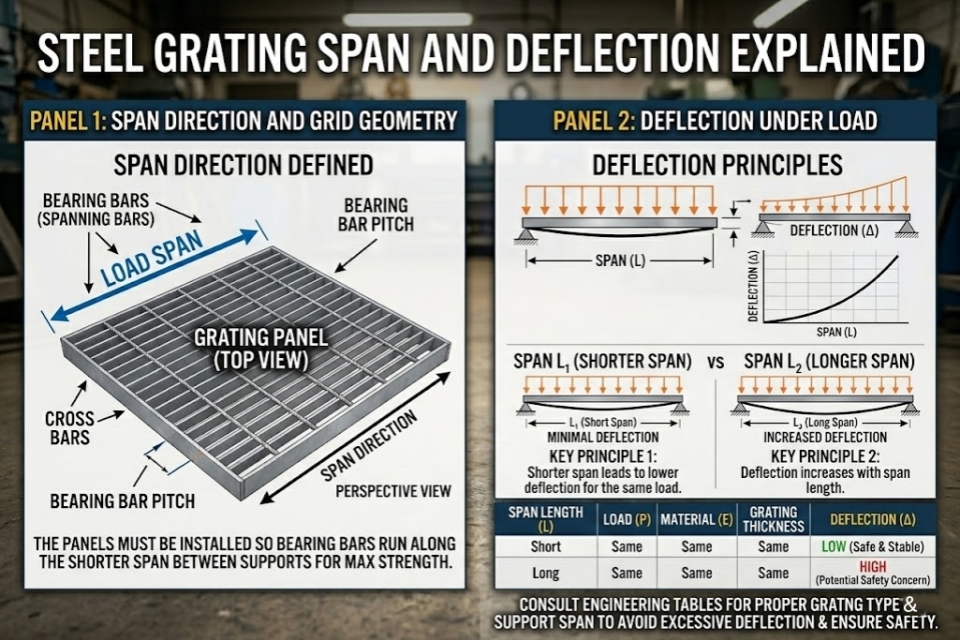
Span length directly affects load capacity. The longer the span, the lower the allowable load for a given bearing bar size.
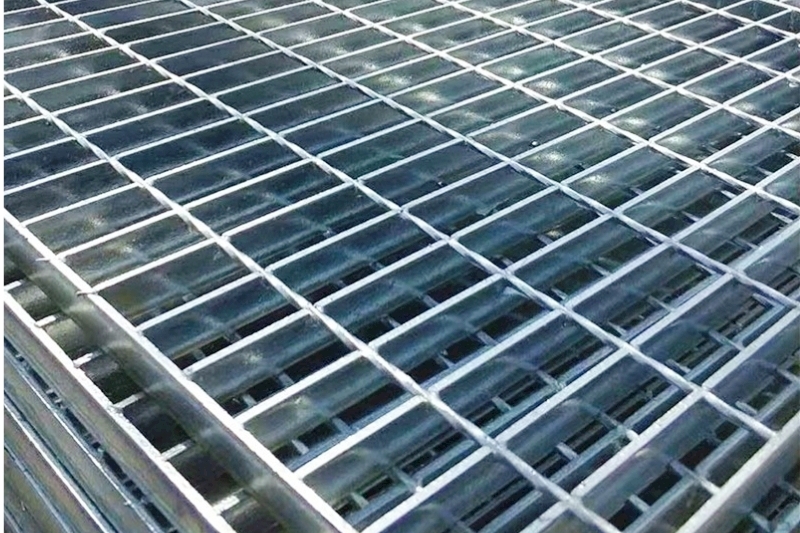
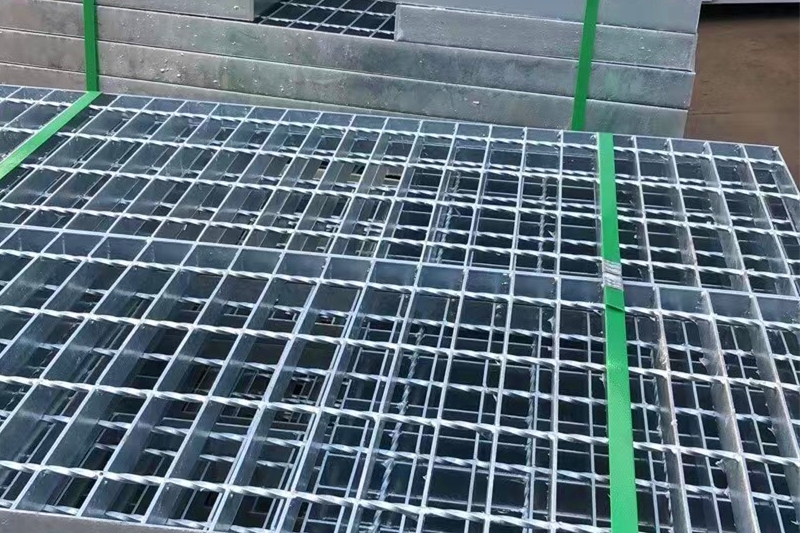
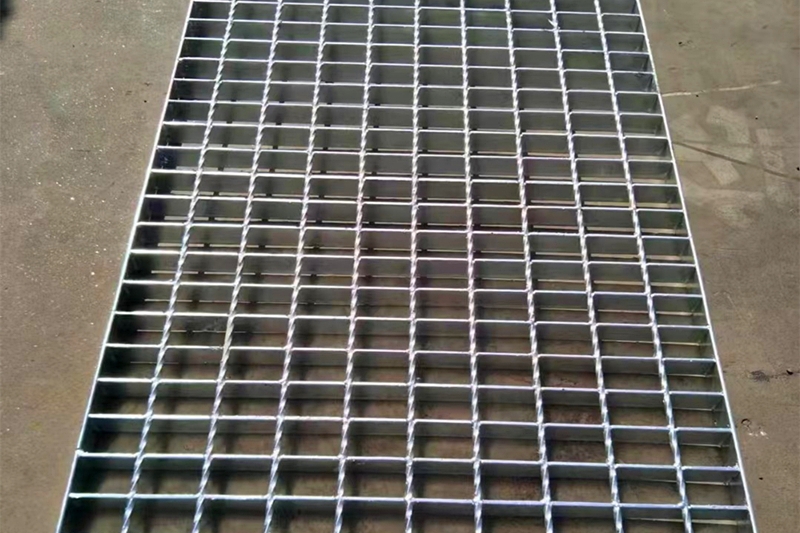
Standard specifications such as 19W4 Steel Bar Grating are widely used because they provide a balanced combination of strength, weight, and cost efficiency.
Key design factors include:
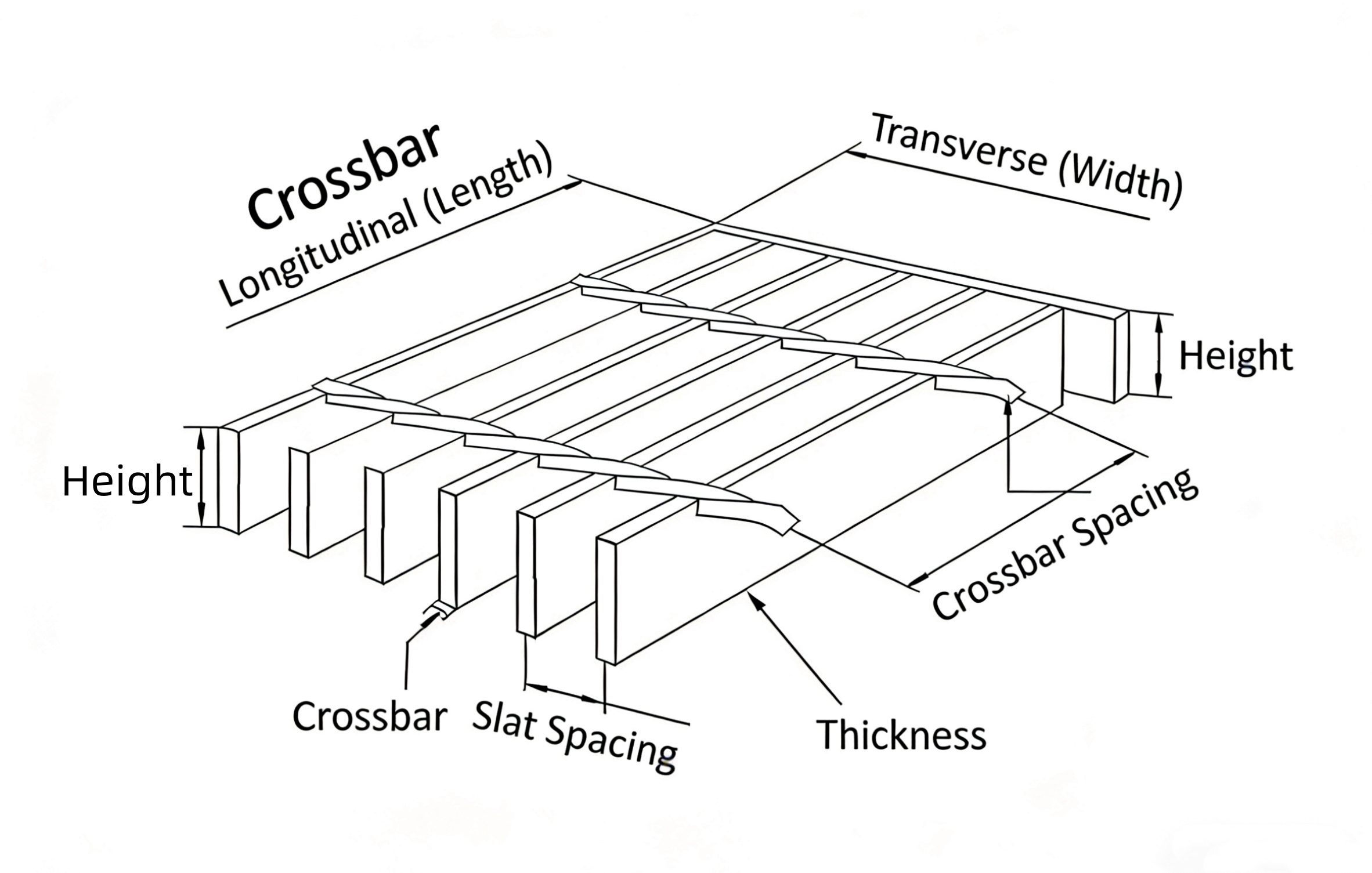
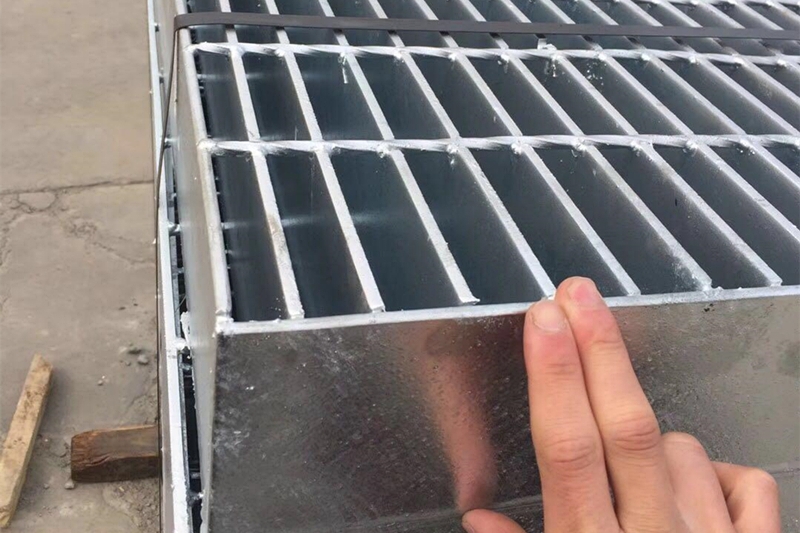
- Bearing bar size and thickness
- Bearing bar spacing
- Cross bar spacing
- Support structure strength
3. Heavy Duty Applications
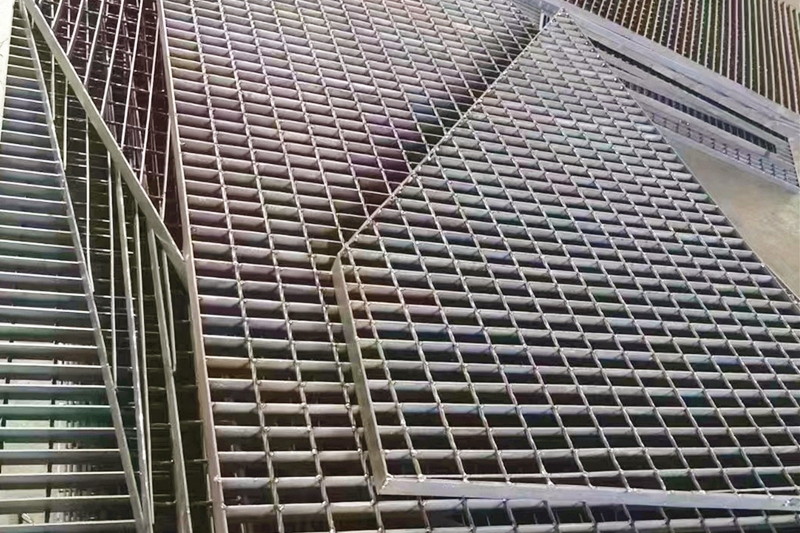
For truck traffic, forklift loading, or heavy industrial environments, reinforced grating systems are required.
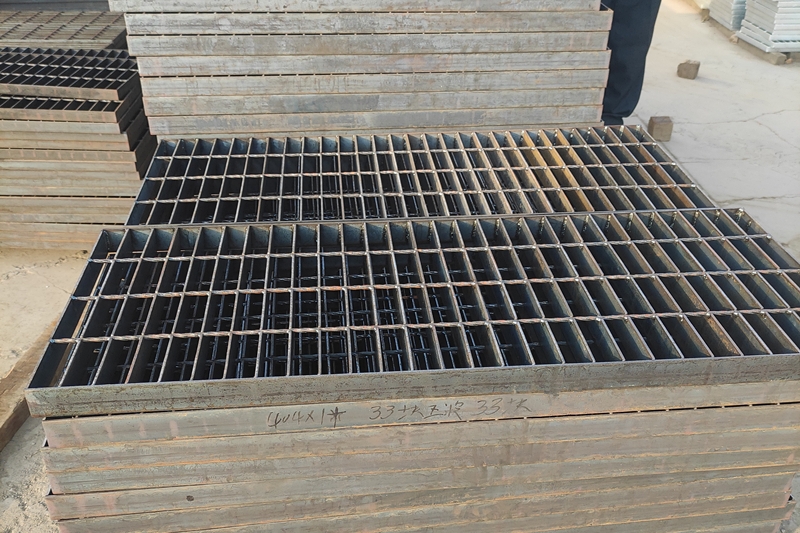
Heavy Duty Steel Grating is designed with thicker bearing bars and closer spacing to withstand higher concentrated loads and reduce deflection.
4. Basic Load Calculation Principle
Load capacity is determined by bending stress and allowable deflection limits. Engineers typically refer to manufacturer load tables to match span length with required load rating.
The selection process should consider:
- Maximum expected live load
- Safety factors
- Environmental conditions
- Long-term maintenance strategy
Conclusion
Accurate steel grating load calculation ensures structural safety and long service life. By evaluating span, bar size, and load type, project engineers can select the most appropriate grating system for their application.