| Material Options | Mild Steel (Carbon Steel) |
|---|---|
| Bearing Bar Size | 25×5×3mm,30×5×3mm,32×5×3mm,35×5×3mm,38×5×3mm,40×5×3mm,44×5×3mm,50×5×3mm,60×7×4mm,65×7×4mm(Custom sizes available) |
| Cross Bar Size | 6mm,8mm,10mm |
| Bearing Bar Spacing | 30mm,40mm,50mm. |
| Cross Bar Spacing | 40mm,50mm,100mm. |
| Surface Treatment | Hot-Dip Galvanized (HDG), Powder Coated, Painted, or Untreated (Mill Finish). |
| Surface Profile | I-Bar Steel |
| Panel Dimensions | Standard Sizes: 1000 ×1000mm or 1000 ×2000mm or 500 × 800mm(Custom sizes available). |
| Loading Capacity | High Strength, Low Weight. |
| Applications | Ideal for high-load platforms, walkways, and drainage covers requiring maximum strength and efficiency. |
I bar grating is designed to maximize mechanical efficiency by optimizing how steel is distributed within each bearing bar.
Compared to traditional flat bar systems, this I-shaped bar grating uses the principle of moment of inertia to achieve higher strength with less material. The geometry concentrates material in the top flange while minimizing unnecessary mass in the web.
This structural configuration allows the grating to maintain load capacity while significantly reducing self-weight—making it a preferred solution for projects where span-to-load ratio and structural efficiency are critical.
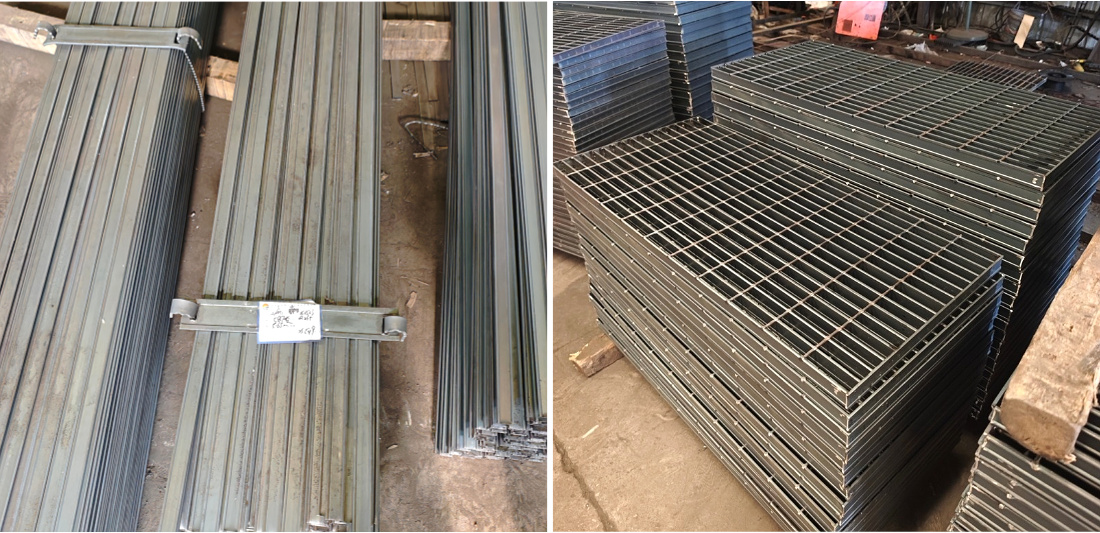
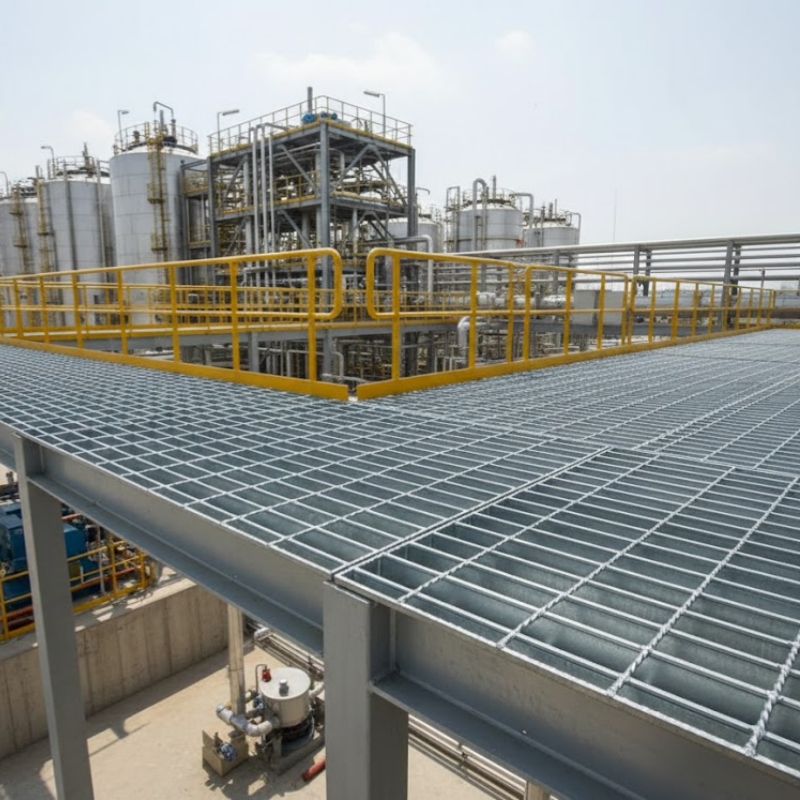
👉 Especially effective for large-span platforms and elevated systems using lightweight metal grating.
👉 If your platform span exceeds 1.5 meters and weight sensitivity is a factor, I-bar steel grating is a more cost-effective choice than standard flat bar grating.
👉 Can be combined with serrated steel grating to enhance slip resistance in demanding environments.
Standard configurations for I-bar steel grid systems are defined by height, flange width, and web thickness.
| Size (mm) | Application Range |
|---|---|
| 25 × 5 × 3 mm | Light-duty walkways |
| 30 × 5 × 3 mm | Standard industrial flooring |
| 32 × 5 × 3 mm | Medium load applications |
| 35 × 5 × 3 mm | Maintenance platforms |
| 38 × 5 × 3 mm | Long-span walkways |
| 40 × 5 × 3 mm | Heavy-duty structural use |
| Type | Span | Load |
|---|---|---|
| I Bar 30×3 | 1000 mm | ~250 kg/m² |
| I Bar 32×5 | 1000 mm | ~500 kg/m² |
Custom steel grating specifications available upon request.
The efficiency of I-beam grating comes from how material is distributed relative to the neutral axis.
By optimizing the relationship between flange and web, this I-shaped bar grating enables engineers to reduce material usage while maintaining structural integrity.
I bar grating is manufactured exclusively from carbon steel and is typically protected using hot-dip galvanizing.
For corrosion-resistant applications, refer to
→ galvanized steel grating
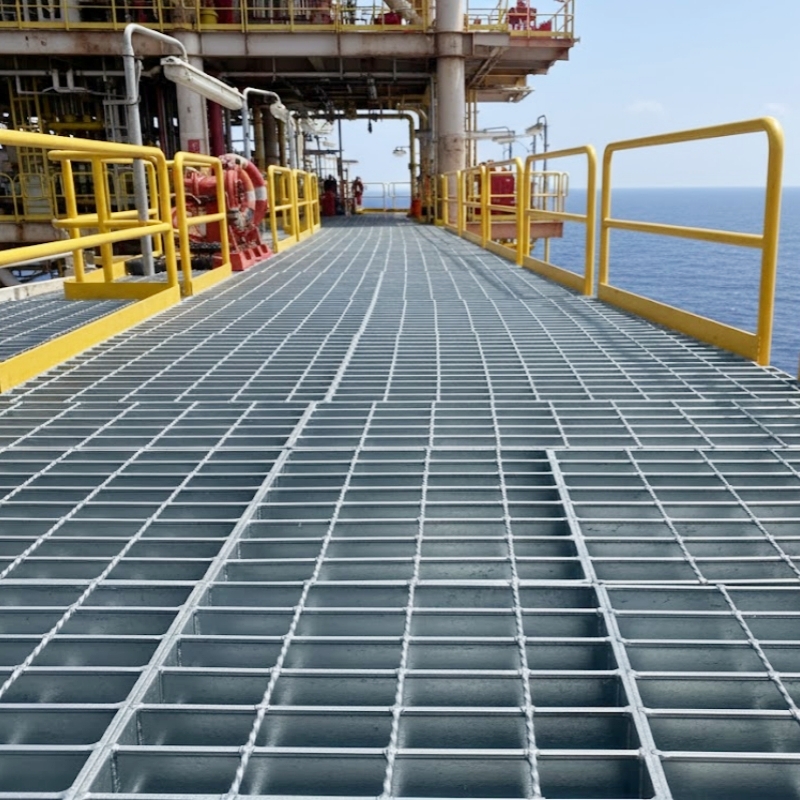
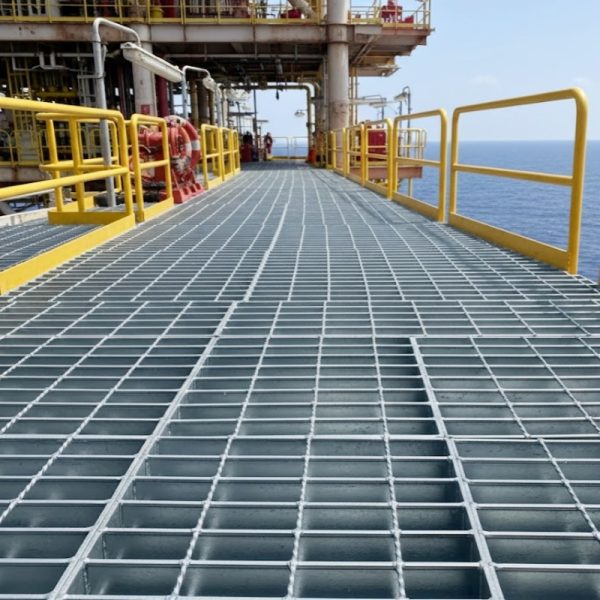
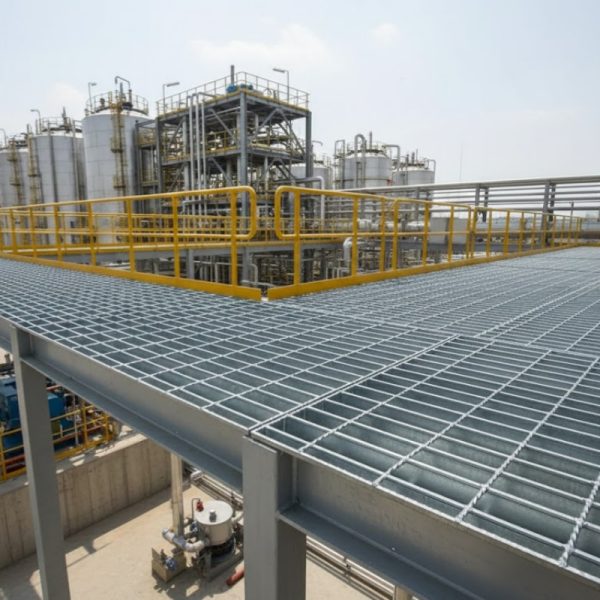
I-bar steel grating is widely used where structural efficiency and reduced weight are required.
Used in conveyor systems where lower weight reduces structural load.
Supports large spans while minimizing material consumption.
Lightweight structure improves installation efficiency and reduces support requirements.
Ideal for projects where reducing dead load directly impacts overall design and cost.
I bar grating integrates seamlessly with other grating systems depending on project requirements.
I-bar steel grating provides a practical balance between engineering performance and cost efficiency, especially in large industrial and infrastructure projects.
If you are selecting I bar grating for a structural project, support is available for:
👉 Submit your project details to receive a technical recommendation and quotation.
Q1:What information should I provide for an I Bar Grating quotation?
A:Please provide the panel size, I-bar profile, bearing bar spacing, cross bar spacing, span, load requirement, surface treatment, quantity, and application. If you have drawings or platform layout details, we can review the structure and recommend a suitable specification for your project.
Q2:When should I choose I-bar steel grating instead of flat bar grating?
A:I-bar steel grating is recommended when the project needs lower self-weight while maintaining good load capacity. It is especially suitable for large-span platforms, conveyor walkways, elevated maintenance areas, and weight-sensitive steel structures where reducing dead load can improve installation efficiency and overall cost control.
Q3:What I-bar profiles are commonly used for industrial flooring?
A:Common I-bar profiles include 25×5×3 mm, 30×5×3 mm, 32×5×3 mm, 35×5×3 mm, 38×5×3 mm, and 40×5×3 mm. Smaller profiles are suitable for light-duty walkways, while larger profiles are used for longer spans, maintenance platforms, and heavier structural flooring applications.
Q4:Can I-shaped bar grating be customized according to project drawings?
A:Yes. I-shaped bar grating can be customized by panel size, bar spacing, profile height, layout direction, cut-outs, edge banding, and installation requirements. Custom fabrication is useful when the grating must fit conveyor systems, steel platforms, pedestrian bridges, or non-standard structural layouts.
Q5:Is I Bar Grating suitable for long-span platforms?
A:Yes. I Bar Grating is suitable for long-span platforms because the I-profile improves bending resistance and helps control deflection while reducing material weight. For spans over 1.5 meters, it can be a practical option when both structural performance and weight reduction are important.
Q6:What material is used for lightweight metal grating?
A:This lightweight metal grating is manufactured from carbon steel and is typically protected by hot-dip galvanizing. Carbon steel provides good structural strength, while galvanizing improves corrosion resistance for outdoor exposure, industrial platforms, conveyor walkways, and other environments where long-term durability is required.
Q7:Can I Bar Grating be supplied with a serrated surface?
A:Yes. A serrated surface can be considered when better slip resistance is required. Serrated I-bar profiles are suitable for wet, oily, or safety-focused working areas. The final surface choice should be based on walking conditions, safety requirements, maintenance needs, and project specifications.
Q8:How does I-bar grating reduce structural weight?
A:I-bar grating reduces weight by distributing steel more efficiently in the bearing bar profile. The wider top flange improves walking support, while the thinner web reduces unnecessary material. This design helps maintain strength and deflection control while lowering dead load on the supporting structure.
Q9:What applications are suitable for carbon steel I-bar grating?
A:Carbon steel I-bar grating is suitable for conveyor walkways, industrial maintenance platforms, pedestrian bridges, elevated access routes, and weight-sensitive steel structures. It is often selected when engineers need a balance between load capacity, reduced self-weight, installation efficiency, and overall material cost savings.
Q10:How is I Bar Grating packed for export delivery?
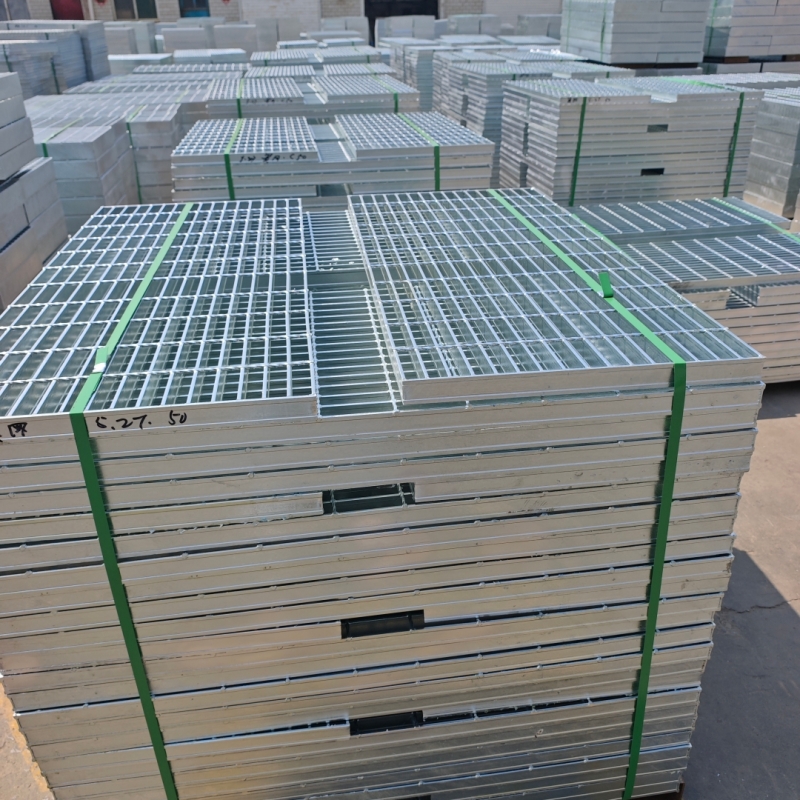
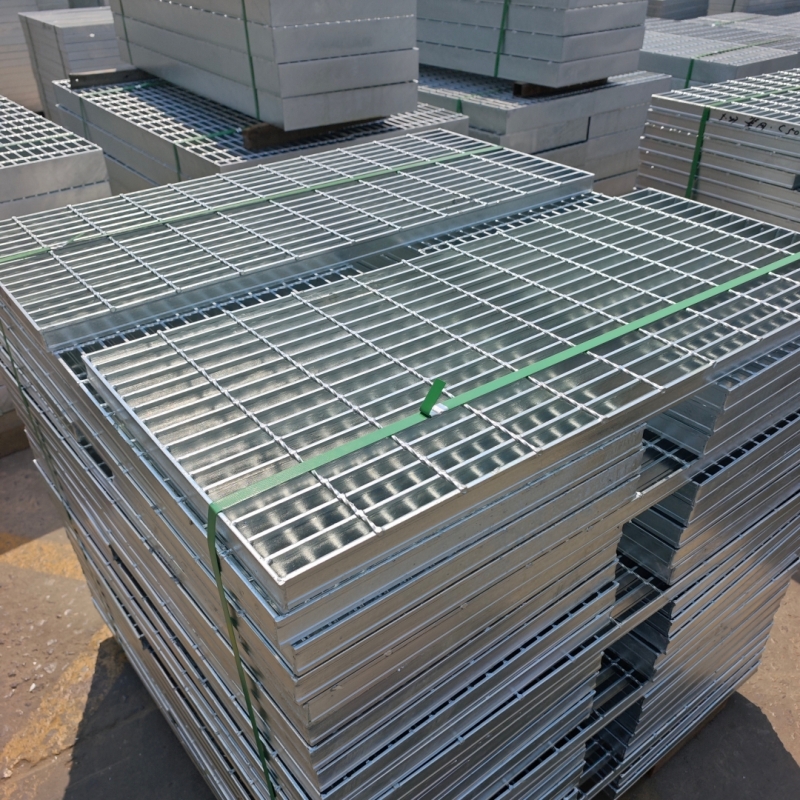
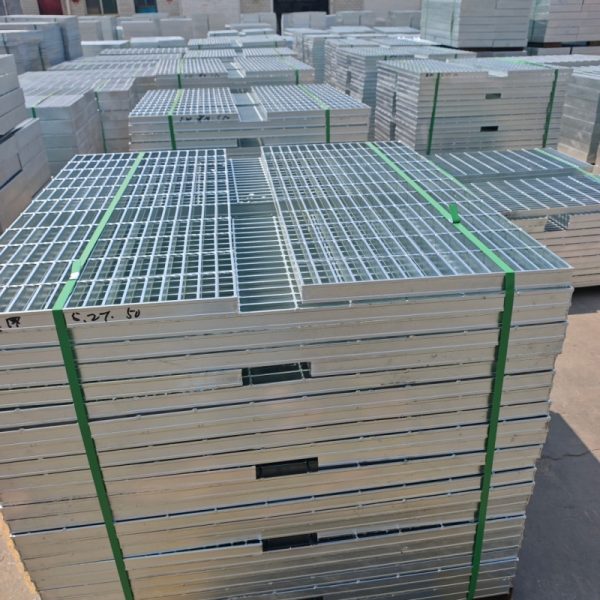
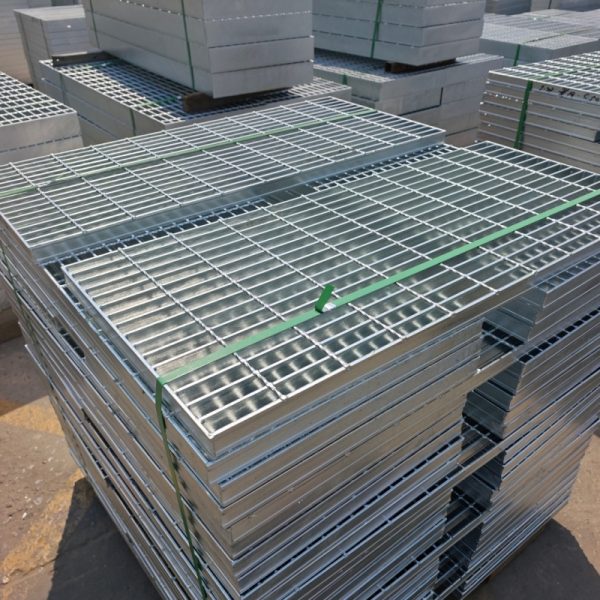
A:I Bar Grating is usually packed in reinforced bundles with steel strapping, edge protection, and export-ready packaging. The goal is to reduce deformation, coating damage, and handling impact during transportation. For large project orders, packaging can be adjusted according to panel size and container loading requirements.
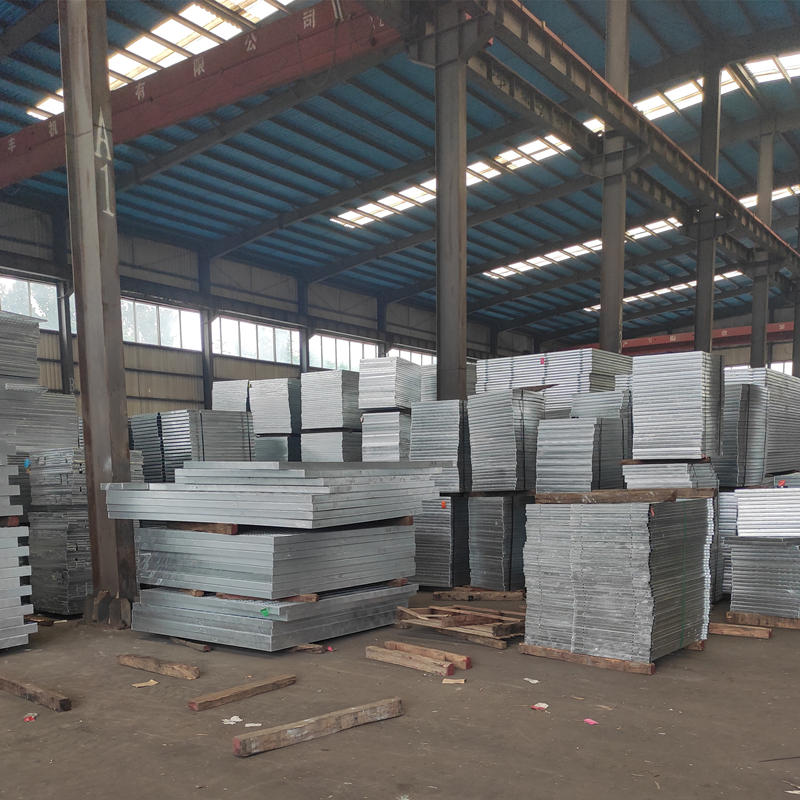
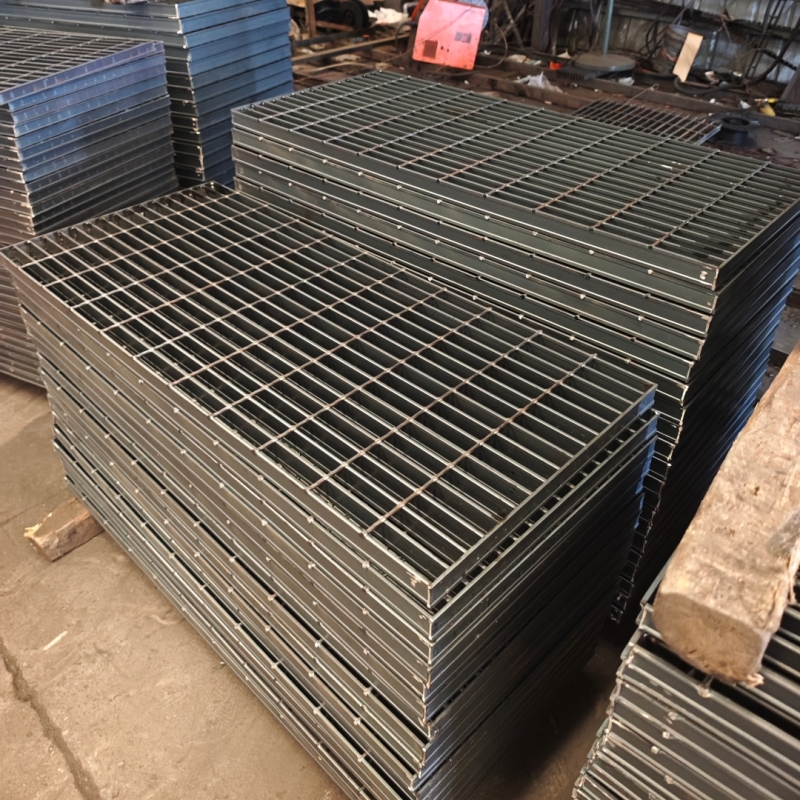
Watch our factory live footage to see how I bar grating is manufactured for lightweight yet high-strength flooring applications.
I bar grating uses I-shaped bearing bars to provide excellent load-bearing performance while reducing overall panel weight. Compared with traditional flat bar grating, the I-shaped profile helps improve structural efficiency, making it a practical choice for pedestrian walkways, industrial platforms, maintenance access areas, and elevated flooring systems.
I bar grating cutting
I-beam grating inspection
I bar grating surface finishing
In this video, you can see the key production steps of I-shaped bar grating, including bearing bar preparation, cross bar assembly, pressure locking or welding, cutting, surface finishing, and final inspection.
Send us your drawings or technical specifications to receive a custom recommendation and factory-direct quotation.