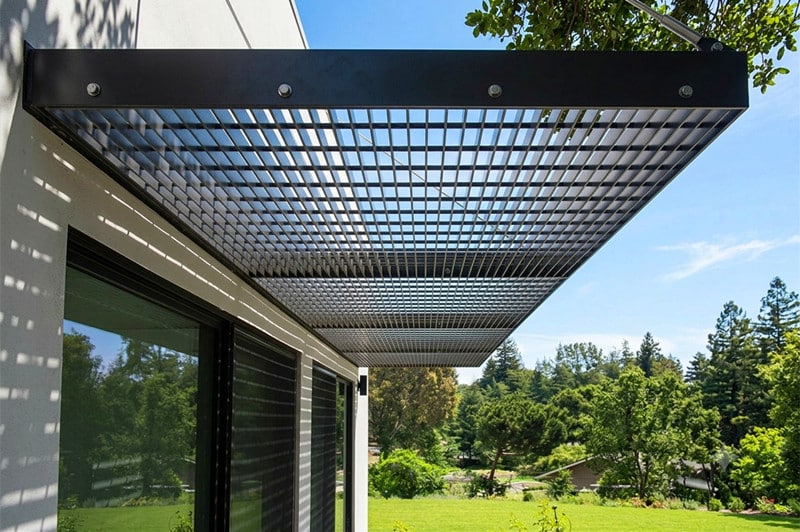









Understanding the Real Difference in Outdoor Applications
When specifying press locked steel grating for outdoor environments, the decision between galvanized and stainless steel is rarely just about material—it’s about lifecycle cost, corrosion risk, aesthetics, and long-term maintenance strategy.
In practice, we’ve seen procurement teams focus heavily on upfront price, while engineering teams prioritize durability and compliance. Bridging that gap is where informed material selection becomes critical.
This guide breaks down the real-world trade-offs between galvanized and stainless press locked steel grating, specifically for outdoor and exposed environments.
Cost Difference: Initial Investment vs Lifecycle Value
Upfront Cost Considerations
Galvanized press locked steel grating is typically the more economical option at the point of purchase. Carbon steel base material combined with hot-dip galvanizing keeps production costs relatively low and scalable for large projects.
Stainless steel grating, on the other hand, involves significantly higher raw material costs (especially grades like 304 or 316), along with more demanding fabrication requirements.
Long-Term Cost Reality
However, experienced buyers don’t stop at purchase price:
- Galvanized grating may require maintenance or replacement in aggressive environments
- Stainless steel often delivers decades of service with minimal upkeep
- Downtime and replacement labor can outweigh initial savings
Practical takeaway:
For standard outdoor use, galvanized is cost-efficient. For high-risk environments, stainless often wins on total cost of ownership.

Corrosion Resistance: Where the Real Decision Happens
Galvanized Steel Performance
Hot-dip galvanized coatings provide a zinc barrier that protects the steel substrate through:
- Sacrificial protection (cathodic action)
- Physical barrier against moisture and oxygen
In moderate outdoor conditions, this performs reliably for many years.
Stainless Steel Performance
Stainless steel offers intrinsic corrosion resistance due to its chromium content, forming a passive oxide layer that self-repairs when damaged.
Key advantages:
- No coating to wear off
- Superior resistance to chemicals, humidity, and salt
- Consistent performance over time
Important distinction:
Galvanizing protects the surface.
Stainless steel protects through its entire structure.
Outdoor Exposure: Matching Material to Environment
Not all “outdoor” environments are equal. The correct choice depends heavily on exposure conditions.
Typical Inland Environments
- Industrial platforms
- Walkways and drainage covers
- Warehouses and logistics yards
→ Galvanized press locked steel grating is usually sufficient
Harsh Outdoor Conditions
- Chemical plants
- Wastewater facilities
- High humidity regions
→ Stainless becomes increasingly valuable
Coastal and Marine Environments: A Critical Turning Point
This is where many projects go wrong.
Salt-laden air accelerates corrosion dramatically. In coastal zones:
- Galvanized coatings degrade faster
- Maintenance cycles shorten
- Structural integrity may be compromised over time
For these environments:
- Stainless steel (especially 316 grade) is the industry-preferred solution
- It resists chloride-induced corrosion far more effectively
Field insight:
Many clients switch to stainless only after premature galvanized failure. Planning correctly upfront avoids this costly cycle.
Architectural Appearance: When Visual Impact Matters
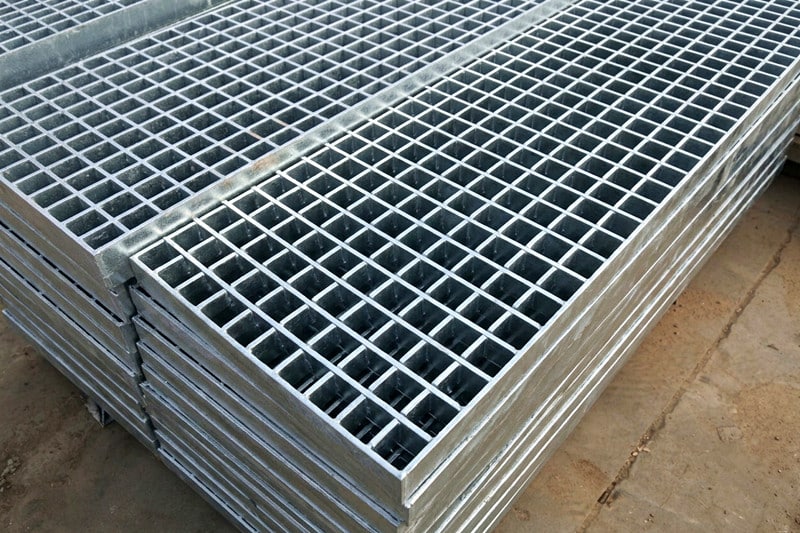
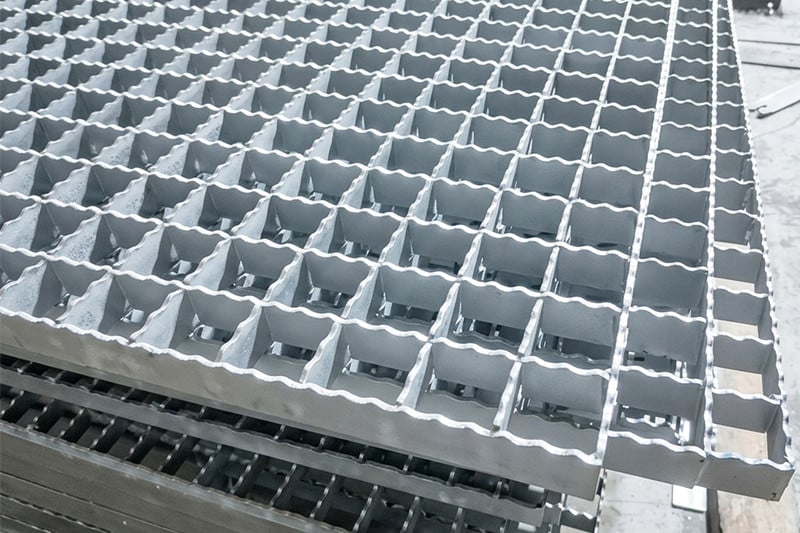
Press locked steel grating is often selected not only for performance, but also for its clean, uniform grid appearance.
Galvanized Finish
- Matte silver-gray appearance
- Industrial, functional look
- Surface may vary slightly depending on galvanizing process
Stainless Steel Finish
- Smooth, refined, and modern
- Preferred for architectural and public-facing projects
- Can be polished or brushed for enhanced aesthetics
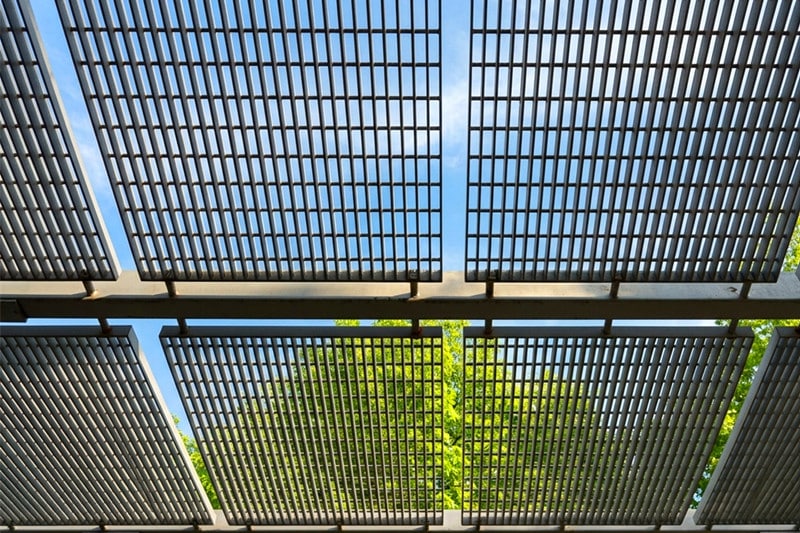
Design-driven projects—such as commercial buildings, public infrastructure, and facades—often justify stainless purely on appearance.
Buyer Decision Checklist: A Practical Framework
When evaluating galvanized vs stainless press locked steel grating, use this checklist:
Choose Galvanized If:
- Budget is a primary constraint
- Environment is inland and low-corrosion
- Maintenance access is easy
- Project scale is large and cost-sensitive
Choose Stainless Steel If:
- Project is in coastal or marine areas
- Exposure to chemicals or moisture is high
- Long service life with minimal maintenance is required
- Visual appearance is a priority
- Replacement or downtime is costly
Final Thoughts: Engineering Meets Procurement Strategy
There is no universally “better” material—only the right material for the right conditions.
From a manufacturing and application standpoint:
- Galvanized press locked steel grating remains the most widely used solution due to its balance of cost and performance
- Stainless press locked steel grating is a strategic investment for demanding environments and long-term reliability
For B2B buyers, the smartest decisions come from aligning environmental exposure, lifecycle expectations, and budget realities—not just comparing material prices.