








Understanding the Real Difference Between Serrated and Plain Grating
In industrial flooring systems, choosing between serrated welded steel grating and plain grating is not just a matter of preference—it directly impacts worker safety, maintenance cycles, and long-term operating costs.
From years of supplying welded steel grating to contractors, EPC firms, and plant engineers, one pattern is clear: many specification errors happen when slip resistance is underestimated during the design phase.
This article breaks down the practical differences between serrated and plain welded steel grating, focusing on real-world performance rather than textbook definitions.

Slip Resistance: Where Serrated Grating Clearly Stands Out
Why Serration Matters
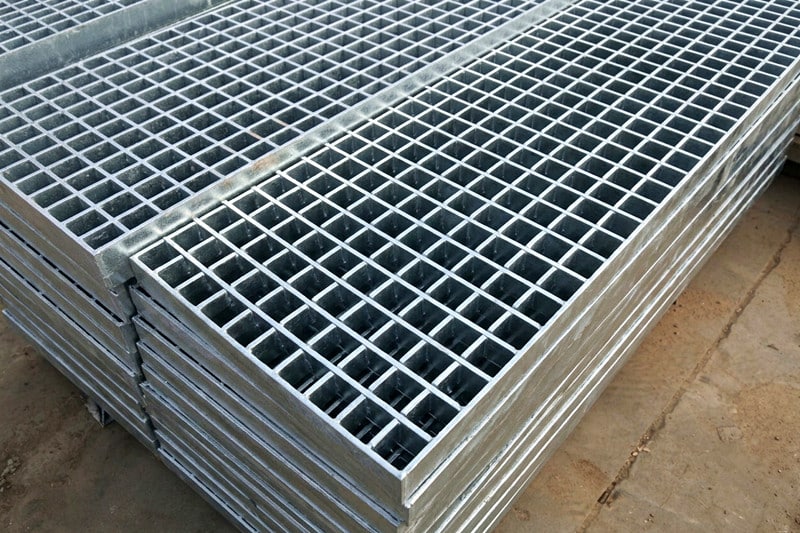
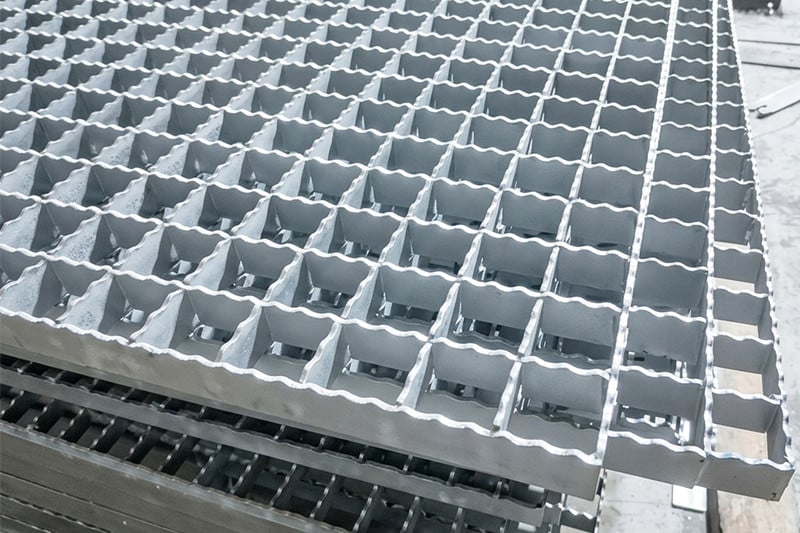
Serrated welded steel grating features notched edges along the bearing bars. These small teeth significantly increase friction underfoot.
In controlled environments, the difference may seem minor. However, in real industrial conditions—where water, oil, dust, or chemicals are present—the performance gap becomes critical.
Real-World Performance Comparison
- Plain grating performs well in dry, clean environments
- Serrated welded steel grating provides superior traction in slippery conditions
- Serration helps break surface tension from liquids, reducing slip risk
In sectors like oil & gas, wastewater treatment, and food processing, serrated grating is often not optional—it is a safety requirement.
Performance in Wet and Oily Environments
Industrial sites rarely stay dry. Equipment leaks, washdowns, and weather exposure all contribute to slippery surfaces.
Plain Grating Limitations
Plain welded steel grating can become hazardous when exposed to:
- Oil films
- Condensation
- Rainwater
- Process fluids
Without additional treatment (such as coatings or anti-slip strips), its surface offers limited grip.
Why Serrated Grating Performs Better
Serrated welded steel grating maintains traction by:
- Disrupting liquid films
- Providing mechanical grip points
- Reducing foot slippage under load

For offshore platforms, chemical plants, and heavy manufacturing facilities, this difference directly translates into fewer workplace incidents.
Cleaning and Maintenance Considerations
Is Serrated Grating Harder to Clean?
A common concern is that serrated surfaces may trap debris more easily.
In practice:
- Serrated grating can accumulate fine particles slightly more than plain grating
- However, standard cleaning methods (pressure washing, air blowing) remain effective
Maintenance Trade-Off
- Plain grating: easier to clean, lower surface complexity
- Serrated welded steel grating: slightly higher cleaning effort but significantly improved safety
From an operational standpoint, most industrial clients accept the minor cleaning trade-off in exchange for better slip resistance.
Cost Difference: Initial vs Lifecycle Value
Upfront Cost Comparison
Serrated welded steel grating typically costs:
- 5–15% more than plain grating, depending on specifications and volume
The additional cost comes from extra processing during manufacturing.
Long-Term Value Perspective
When evaluated over the lifecycle:
- Reduced accident risk lowers liability and downtime
- Improved safety can help meet compliance standards
- Less need for secondary anti-slip treatments
For most B2B buyers, serrated grating delivers better ROI in high-risk environments.
Application Recommendations Based on Industry Use
When to Choose Plain Welded Steel Grating
Plain grating is suitable for:
- Indoor platforms with controlled conditions
- Equipment rooms with minimal exposure to liquids
- Areas where cleaning frequency is extremely high
When Serrated Welded Steel Grating Is the Better Choice
Serrated welded steel grating is strongly recommended for:
- Oil & gas platforms
- Wastewater treatment plants
- Marine and offshore environments
- Food processing facilities with frequent washdowns
- Outdoor walkways exposed to weather
Engineering Perspective
From a specification standpoint, if there is any uncertainty about surface conditions, experienced engineers tend to default to serrated grating. It provides an added safety margin without significantly complicating installation.
Final Thoughts: Safety Should Drive the Decision
Choosing between serrated and plain welded steel grating is ultimately about risk management.
While plain grating works well in controlled environments, serrated welded steel grating provides a measurable safety advantage in real-world industrial conditions.
For most projects involving moisture, oil, or outdoor exposure, serrated grating is not just a better option—it is a more responsible engineering choice.