







Understanding the Role of Steel Bar Grating in Industrial Flooring
In industrial environments, flooring is not just a structural element—it directly impacts safety, durability, and operational efficiency. Steel Bar Grating is widely used across manufacturing plants, warehouses, power stations, and wastewater facilities because of its strength, open design, and long service life.
From years of supporting overseas EPC contractors and distributors, one pattern is clear: most project issues come not from product quality, but from incorrect specification selection. Choosing the right grating early helps avoid structural risks, delays, and unnecessary cost overruns.
Load Requirements: Start with Engineering Data
Static vs Dynamic Loads
The first step is always defining load conditions:
- Static loads: Equipment platforms, storage zones
- Dynamic loads: Forklifts, pallet jacks, vehicle traffic
In industrial flooring projects, underestimating dynamic loads—especially wheel loads—is a common and costly mistake. Be sure to clearly define:
- Maximum load (kN or tons)
- Load type (uniform or concentrated)
- Span direction and support spacing
A professional Industrial bar Grating Supplie should provide load tables based on Chinese standards and assist with model selection.
Choosing the Right Grating Type
Welded vs Press-Locked vs Swage-Locked
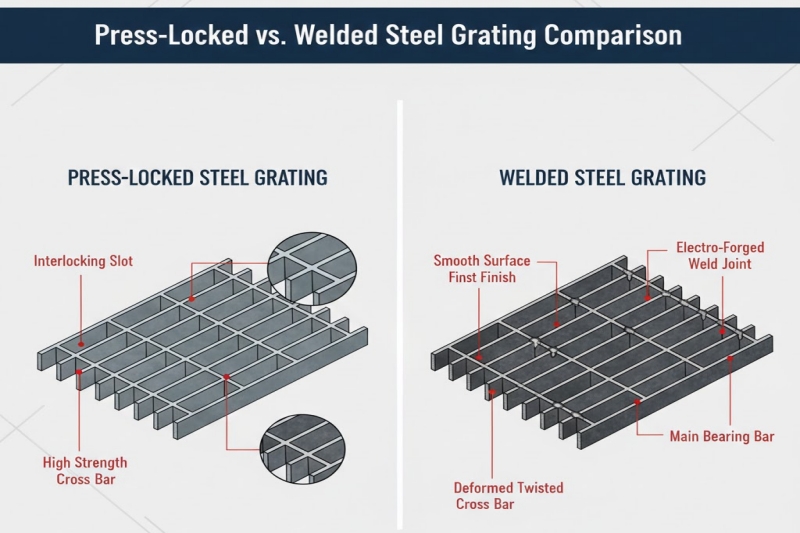
Different production methods serve different priorities:
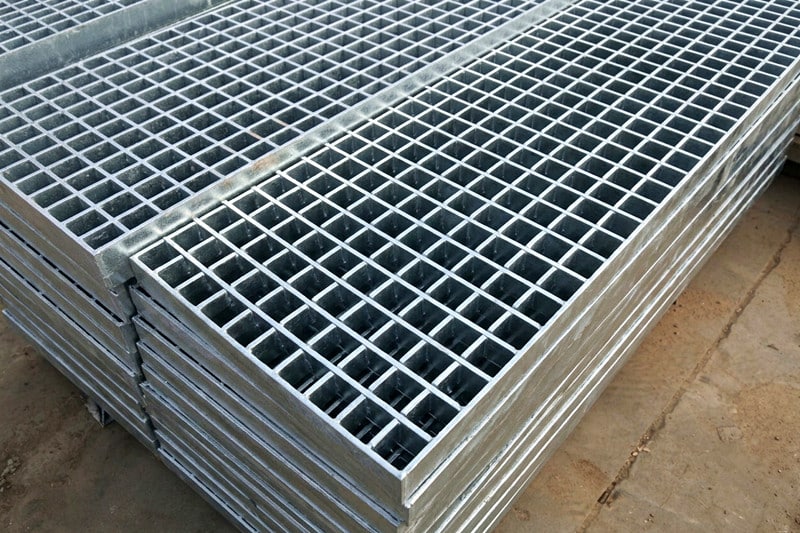
- Welded Steel Bar Grating
The most widely used type in industrial flooring. Offers high strength, durability, and cost efficiency. - Press-Locked Grating
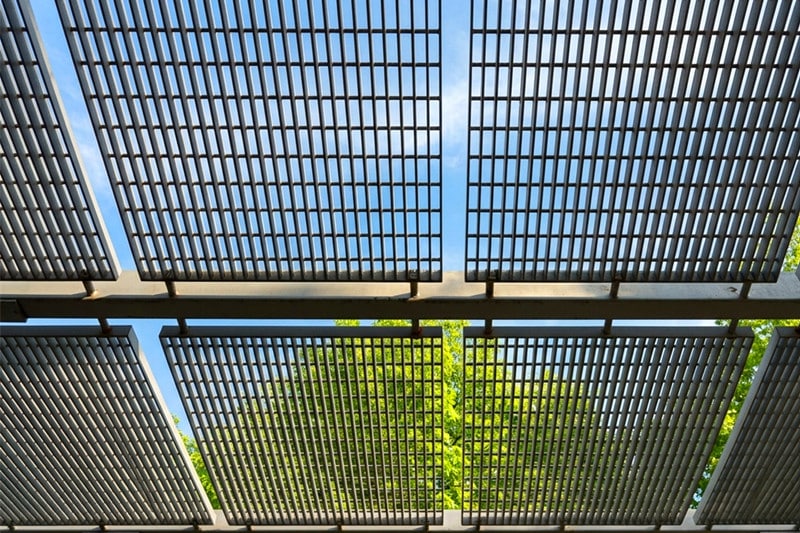
Better aesthetics and dimensional precision, often used in architectural applications.
For heavy-duty industrial environments, welded grating remains the preferred solution due to its structural reliability.
Material Selection: Carbon Steel or Stainless Steel?
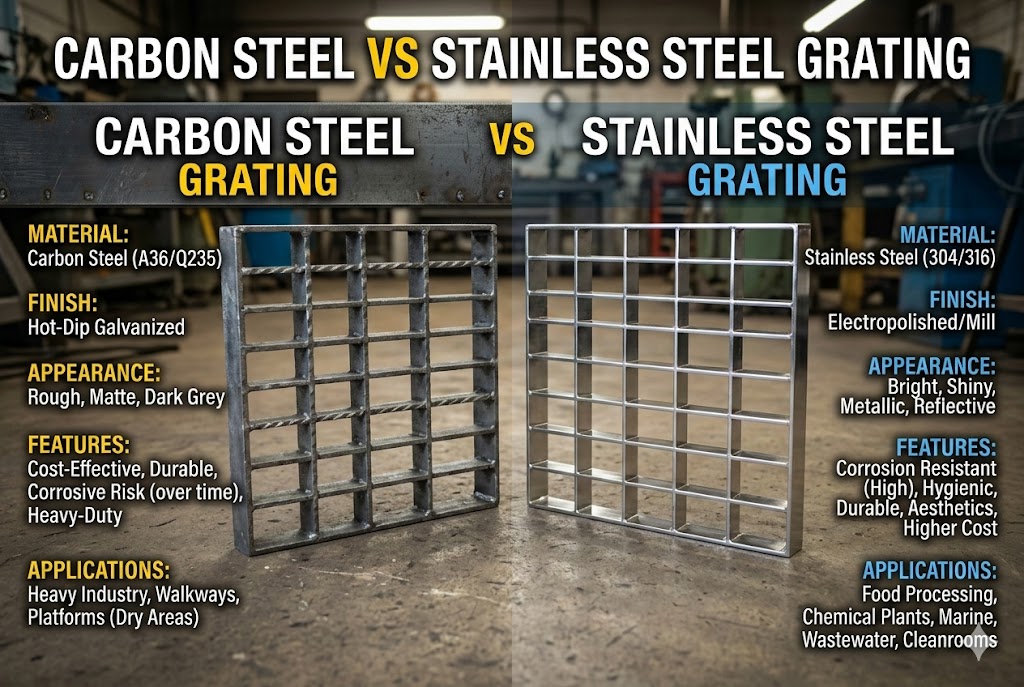
Carbon Steel Grating
- Most common choice for industrial projects
- Excellent strength-to-cost ratio
- Typically combined with galvanizing
Stainless Steel Grating
- Suitable for corrosive or hygienic environments
- Ideal for chemical plants, food processing facilities
- Higher cost but longer lifespan under harsh conditions
Material selection should always be based on environmental exposure, not just budget.
Surface Treatment: Corrosion Protection Matters
Hot-Dip Galvanizing
According to Chinese manufacturing practices, hot-dip galvanizing is the standard anti-corrosion treatment for outdoor or humid environments. Benefits include:
- Strong adhesion of zinc coating
- Long-term corrosion resistance
- Reduced maintenance frequency
Painted or Black Steel
- Painted: temporary protection, lower cost
- Black steel (untreated): only suitable for dry indoor use
In practice, skipping galvanizing often leads to premature corrosion and higher lifecycle costs.
Bar Spacing and Mesh Size (Based on Chinese Standards)
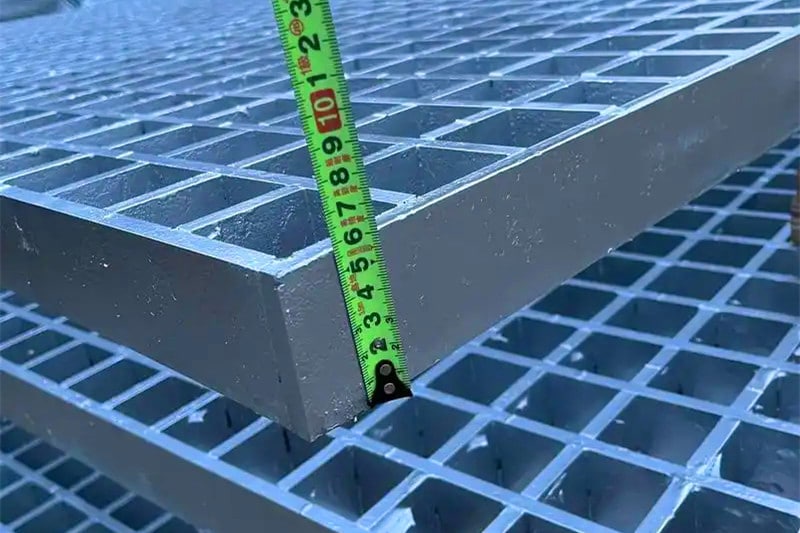
In Chinese specifications, steel grating is typically defined by bearing bar spacing × cross bar spacing (mm) rather than W-series designations.
Common Mesh Sizes Include:
- 30 × 100 mm ( Most Common)
Standard choice for industrial platforms and walkways. Balances strength, drainage, and cost. - 30 × 50 mm (Higher Safety Requirement)
Provides smaller openings, ideal for areas requiring enhanced pedestrian safety or where small objects must be prevented from falling through. - 40 × 100 mm (Light-Duty Applications)
Used where load requirements are lower and cost control is a priority.
Selection Considerations:
- Smaller spacing → higher safety and better load distribution
- Larger spacing → lighter weight and lower cost
For export projects, clearly communicating mesh size in metric (mm) helps avoid confusion and ensures alignment with engineering drawings.
Anti-Slip Considerations for Workplace Safety
Slip resistance is critical in many industrial environments, especially where moisture, oil, or dust is present.
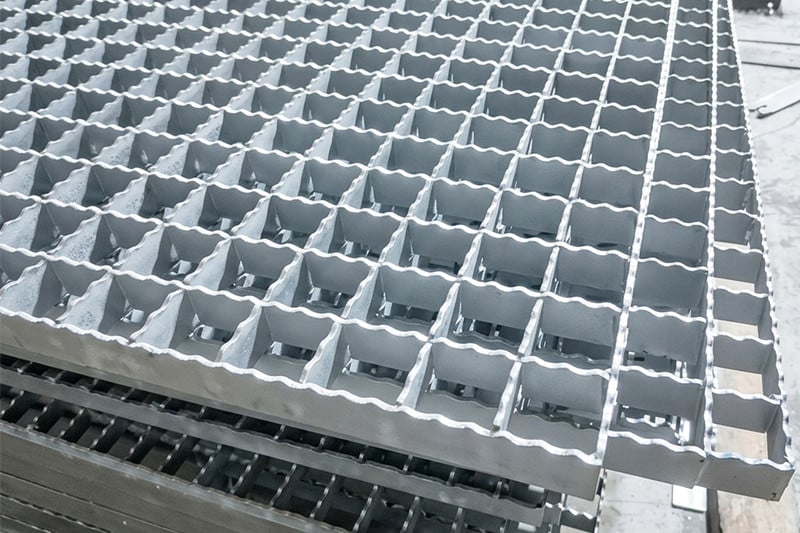
Serrated Steel Bar Grating
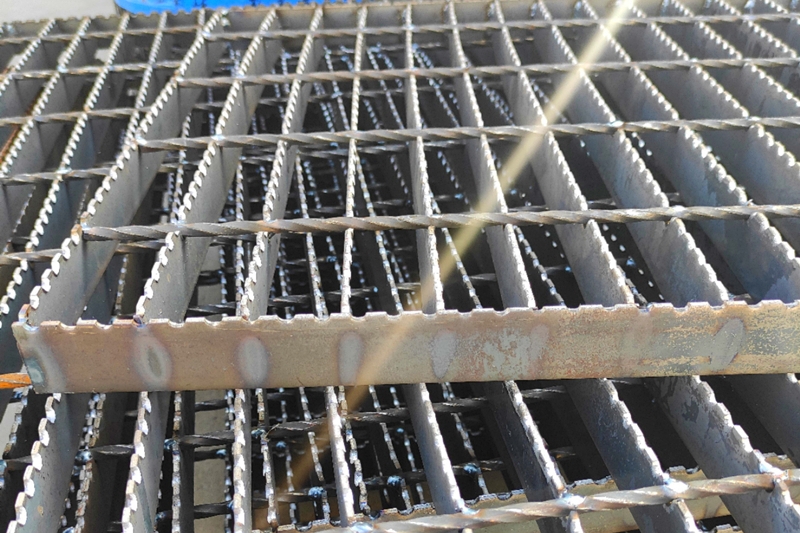
Serrated bearing bars provide improved traction and are highly recommended for:
- Oil & gas platforms
- Outdoor walkways
- Food and beverage plants
This is a practical upgrade that significantly enhances worker safety with minimal cost impact.
Installation and Custom Fabrication
Panel Size and Layout
Custom fabrication based on project drawings can greatly improve installation efficiency. Key factors include:
- Panel dimensions
- Cut-outs for pipes, drains, or equipment
- Edge banding requirements
An experienced Industrial bar Grating Supplier will optimize layout to reduce waste and simplify installation on-site.
Compliance and Quality Assurance
For international buyers, working with manufacturers aligned with Chinese standards (such as YB/T 4001) is essential. Quality assurance should include:
- Load testing verification
- Zinc coating thickness inspection
- Weld strength checks
- Dimensional accuracy control
Third-party inspections (SGS, BV) are often recommended for large-scale projects.
Cost vs Lifecycle Value: A Practical Perspective
While initial price is important, experienced buyers focus on total lifecycle value:
- Installation efficiency
- Maintenance frequency
- Corrosion resistance
- Replacement intervals
Properly specified Steel Bar Grating reduces long-term operational risks and delivers better ROI over time.
Final Thoughts: Align Specification Early
Steel grating selection should be finalized during the design phase—not at the purchasing stage. Close coordination between engineers, contractors, and suppliers ensures:
- Correct load performance
- Compliance with standards
- Smooth installation
If you are planning an industrial flooring project, reviewing specifications with a qualified supplier early will help you avoid costly adjustments later.
You can explore detailed specifications on our Steel Bar Grating product page or consult directly with a trusted bar Grating Supplie for tailored recommendations.