








Choosing the Right Surface Protection for Outdoor Welded Steel Grating
Outdoor industrial environments place high demands on steel structures. Welded steel grating used in platforms, walkways, stair treads, drainage covers, and equipment access areas is often exposed to rain, humidity, temperature changes, chemicals, and airborne contaminants.
For these applications, surface protection is a critical factor that directly affects service life, maintenance requirements, and long-term project costs.
When selecting outdoor welded steel grating, industrial buyers often compare two common options: galvanized welded steel grating and painted welded steel grating. While both methods provide corrosion protection, they work differently and offer different levels of durability depending on the operating environment.
Understanding the differences between galvanizing and painting helps engineers, contractors, and purchasing teams make better decisions based on actual project conditions rather than initial purchase price alone.
Corrosion Protection Difference Between Galvanizing and Painting
How Galvanized Welded Steel Grating Protects Against Corrosion

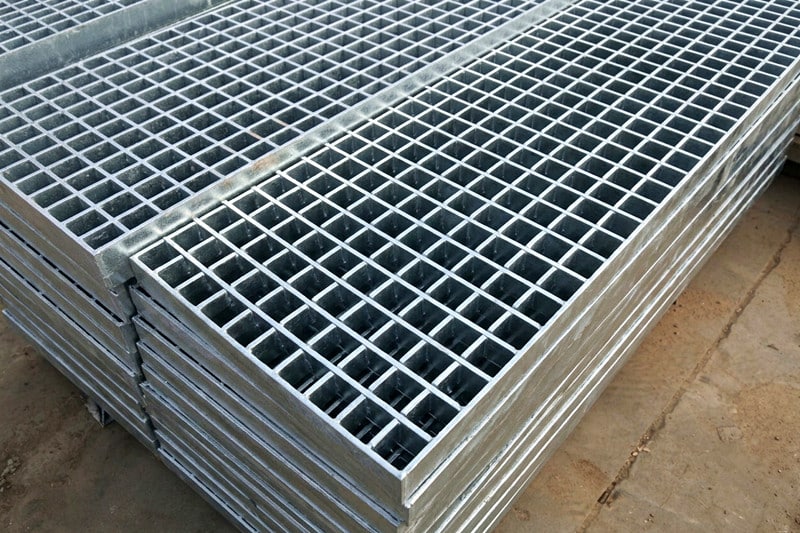
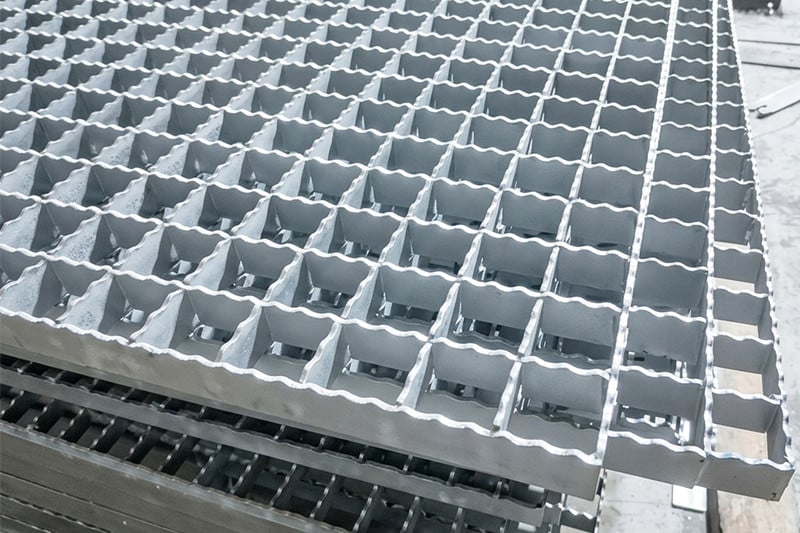
Hot-dip galvanizing is one of the most widely used surface treatments for outdoor steel grating. During the galvanizing process, fabricated steel grating panels are immersed in molten zinc, creating a metallurgical bond between the zinc coating and the steel surface.
This process provides protection through two mechanisms:
- A physical barrier that separates steel from moisture and oxygen
- Sacrificial protection where zinc corrodes before the underlying steel
Because the zinc coating covers exposed surfaces, welded areas, and difficult-to-reach sections, galvanized welded steel grating provides comprehensive corrosion resistance.
This makes galvanized grating particularly suitable for outdoor applications such as industrial plants, oil and gas facilities, power stations, wastewater treatment facilities, and coastal projects.
How Painted Welded Steel Grating Performs

Painted welded steel grating relies on a protective coating layer applied to the steel surface. The paint creates a barrier that prevents direct contact between steel and environmental elements.
However, painted coatings can be affected by:
- UV exposure
- Mechanical wear
- Scratches during transportation or installation
- Moisture penetration through damaged areas
Once the paint layer is damaged, exposed steel areas may begin to rust if maintenance is not performed promptly.
Painted grating can still be a suitable choice for indoor applications or environments where regular inspection and maintenance are available. However, for long-term outdoor exposure, additional maintenance planning is usually required.
Coating Durability in Different Outdoor Environments
Performance in Harsh Industrial Conditions
Industrial facilities often have challenging operating environments. Steel grating installed outdoors may experience continuous exposure to rain, dust, chemicals, and temperature fluctuations.
In these conditions, galvanized welded steel grating generally provides better long-term performance because the zinc coating remains effective even when minor surface damage occurs.
For example, in areas with high humidity or frequent water exposure, galvanized surfaces can significantly reduce corrosion risks compared with conventional painted coatings.
Performance in Controlled Outdoor Applications
Painted welded steel grating may be suitable for projects where appearance requirements are important and maintenance schedules are well controlled.
Common applications include:
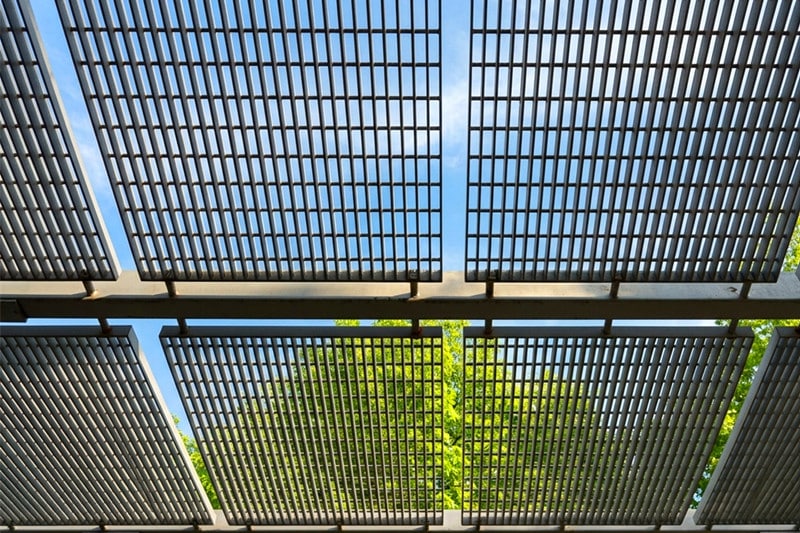
- Architectural walkways
- Decorative platforms
- Equipment areas with limited exposure
- Projects requiring specific colors for safety identification
In these cases, paint systems can provide both corrosion protection and aesthetic benefits.
However, project owners should consider the expected service environment before choosing painted coatings as the primary protection method.
Maintenance Cost Comparison for Industrial Buyers
Initial Cost vs Long-Term Value
One of the most common factors considered during procurement is initial cost. Painted welded steel grating may appear more economical at the beginning because painting equipment and processes are generally less expensive.
However, the total cost of ownership includes:
- Inspection frequency
- Repair requirements
- Repainting costs
- Labor expenses
- Downtime during maintenance
For outdoor industrial projects, frequent coating repairs can increase operating costs over the service life of the grating.
Why Galvanized Grating Often Reduces Maintenance Requirements
Although galvanized welded steel grating may have a higher initial investment, its extended corrosion protection can reduce maintenance frequency and replacement costs.
For many industrial buyers, especially those managing large facilities or remote installations, reducing future maintenance work is a major consideration.
A durable surface treatment helps improve operational efficiency and provides more predictable long-term performance.
Outdoor Exposure Conditions and Application Considerations
Factors That Influence Surface Treatment Selection
Before choosing between galvanized and painted welded steel grating, buyers should evaluate:
- Local climate conditions
- Expected service life
- Chemical exposure level
- Maintenance accessibility
- Safety requirements
- Project budget
For coastal areas, chemical plants, and outdoor platforms exposed to moisture, galvanized solutions are often preferred.
For indoor or low-corrosion environments, painted grating may provide sufficient protection.
The best choice depends on the complete project environment rather than the coating method alone.
Why Industrial Buyers Prefer Galvanized Welded Steel Grating
For global industrial projects, reliability and reduced maintenance are often more important than short-term savings.
Galvanized welded steel grating has become a preferred option for many overseas buyers because it offers:
- Strong corrosion resistance
- Long service life
- Lower maintenance requirements
- Better performance in outdoor environments
- Consistent protection after fabrication
In addition, galvanized surfaces are widely accepted in international construction and industrial standards, making them a practical choice for export projects.
Experienced steel grating suppliers usually recommend galvanizing when customers require dependable performance under long-term outdoor conditions.
Making the Right Choice for Your Welded Steel Grating Project
Selecting between galvanized and painted welded steel grating requires balancing technical requirements, environmental conditions, and lifecycle costs.
For outdoor industrial applications where durability and minimal maintenance are priorities, galvanized welded steel grating is often the more reliable solution.
Before placing an order, buyers should discuss project conditions with their supplier, including installation location, expected loading, corrosion risks, and maintenance plans. A professional manufacturer can provide recommendations that match the actual working environment and help ensure the grating performs effectively throughout its service life.