







Why Resistance Welded Grating Is Widely Used in Mining Applications
Mining environments place extremely demanding requirements on industrial flooring systems. Walkways, platforms, maintenance areas, and equipment zones must withstand not only heavy loads but also continuous vibration, impact forces, dust, moisture, and harsh operating conditions.
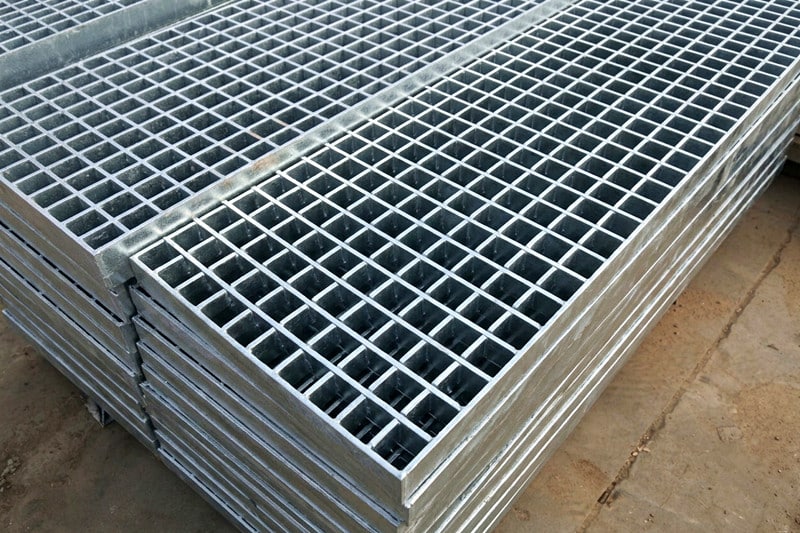
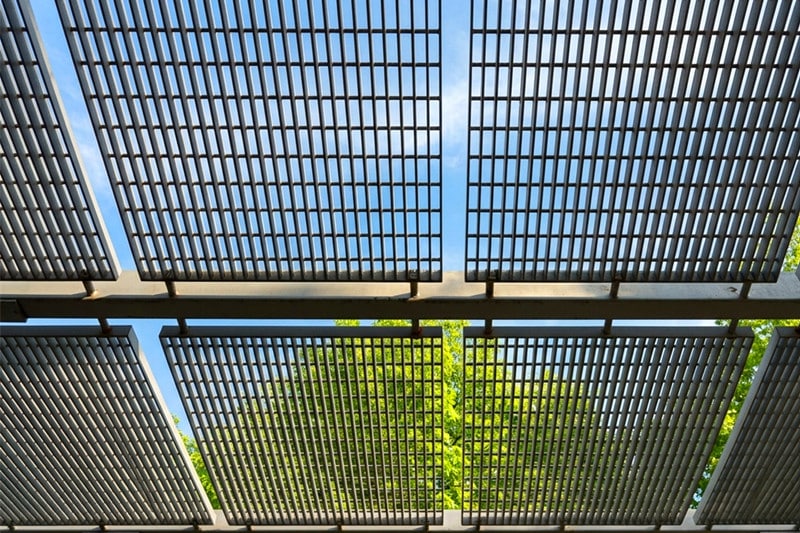
For these applications, resistance welded grating for mining has become a reliable choice for engineers, contractors, and mining operators who need a strong and durable access solution. Its welded structure provides excellent stability, while the open design allows drainage, ventilation, and debris removal in challenging industrial environments.
Compared with traditional flooring materials, welded steel grating offers a better balance between load performance, service life, and maintenance efficiency. This makes it suitable for mining plants, processing facilities, conveyor platforms, and heavy-duty equipment areas.

How Resistance Welded Grating Handles Mining Site Challenges
Designed for Heavy Impact Loads and Dynamic Forces
Mining facilities are exposed to dynamic loading conditions that are different from ordinary industrial buildings. Workers, vehicles, equipment components, and transported materials can create repeated impact loads on walking surfaces and working platforms.
A properly designed resistance welded grating for mining uses strong bearing bars and welded cross bars to create a rigid load-bearing structure. The welded joints improve overall stability and help maintain panel integrity even under frequent mechanical stress.
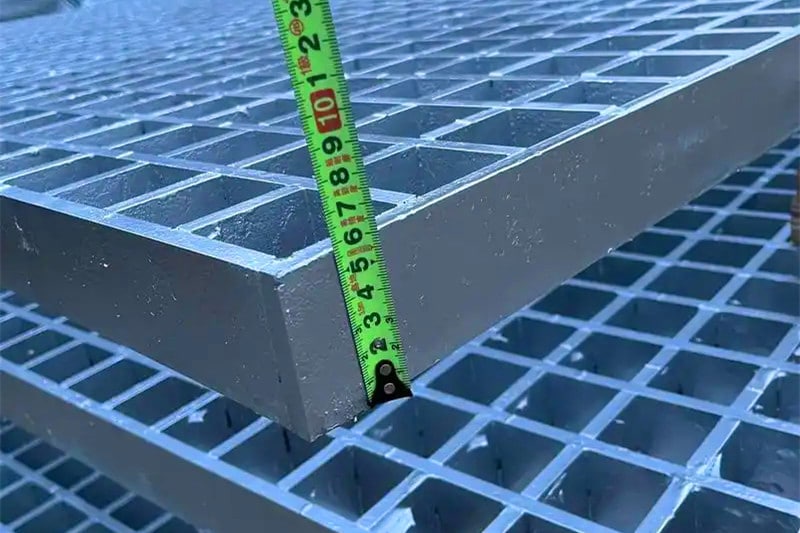
For heavy-duty applications, manufacturers typically increase bearing bar thickness(bearing bar thicknesses up 6mm to 12mm, adjust spacing requirements, and select suitable steel grades according to project load calculations.

Reliable Performance Under Continuous Vibration
Mining equipment such as crushers, screens, conveyors, and processing machines generate continuous vibration during operation. A flooring system that cannot maintain structural stability may experience loosening, deformation, or premature failure.
Resistance welded grating provides a fixed connection between bearing bars and cross bars through resistance welding technology. This manufacturing process creates consistent weld points across the panel, helping the grating maintain its shape and performance in vibration-intensive environments.
For mining engineers, this reliability reduces the need for frequent repairs and supports safer long-term operation.
Anti-Slip Options for Safer Mining Walkways
Safety is one of the most important considerations in mining infrastructure design. Water, oil, mud, and mineral materials can accumulate on walking surfaces and increase the risk of slipping.
To improve worker safety, resistance welded grating for mining can be manufactured with different anti-slip options, including:
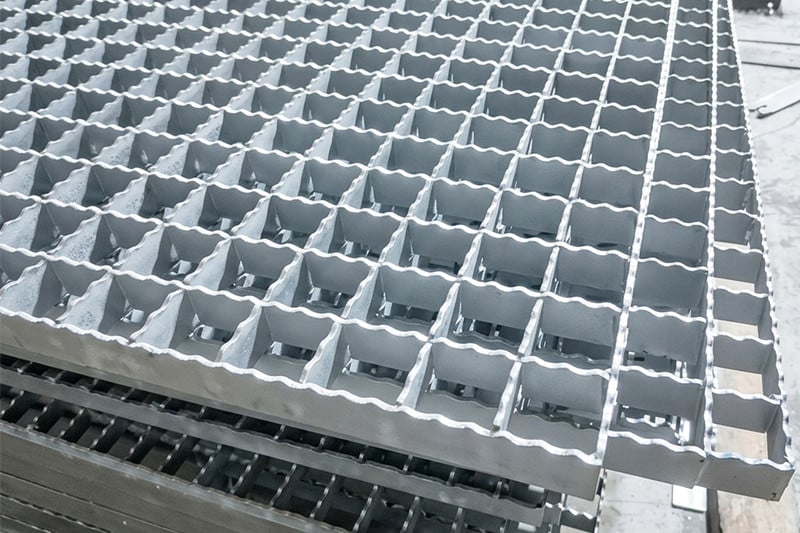
Serrated Bearing Bars
Serrated steel grating surfaces provide additional friction under wet or contaminated conditions. They are commonly selected for outdoor walkways, processing areas, and locations exposed to rain or liquid spills.
Smooth Bearing Bars
Smooth surfaces are suitable for general industrial platforms where cleaning requirements and regular maintenance access are priorities.
Customized Surface Designs
For specific mining projects, grating panels can be customized according to site conditions, including bar dimensions, spacing, load requirements, and surface treatment options.
Choosing the correct anti-slip design helps create safer working environments without compromising drainage and accessibility.

Galvanized and Heavy-Duty Designs for Harsh Mining Environments
Mining operations often involve exposure to moisture, chemicals, abrasive materials, and outdoor weather conditions. Corrosion protection plays an important role in extending the service life of steel grating systems.
Hot-dip galvanized resistance welded grating is commonly selected for mining applications because the zinc coating provides strong corrosion resistance and reduces maintenance requirements.
For more demanding environments, heavy-duty designs may include:
- Increased bearing bar height and thickness
- Reinforced load-bearing capacity
- Customized panel dimensions
- Higher-strength steel materials
- Additional protective surface treatments
A well-designed heavy-duty grating system can support long-term performance in mining facilities where replacement costs and downtime can significantly affect project efficiency.
Procurement Considerations When Selecting Mining Grating
Selecting the correct grating solution requires more than comparing product prices. Mining projects should evaluate technical requirements, operating conditions, and supplier capabilities before purchasing.
Key factors include:
Load Requirements
Engineers should consider static loads, dynamic loads, equipment weight, and maintenance traffic when selecting bearing bar specifications.
Environmental Conditions
The surrounding environment determines whether galvanized finishes, serrated surfaces, or additional protection are required.
Manufacturing Accuracy
Consistent welding quality, accurate panel dimensions, and proper finishing directly affect installation efficiency and long-term performance.
Supplier Experience
Working with an experienced welded steel grating manufacturer helps reduce risks related to incorrect specifications, production delays, and installation problems.
A professional supplier should be able to provide technical recommendations based on drawings, load requirements, and project applications rather than offering standard products only.
Supporting Safer and More Efficient Mining Operations
From access walkways and maintenance platforms to equipment operating zones, steel grating plays an important role in modern mining infrastructure.
The combination of high load capacity, vibration resistance, drainage performance, and corrosion protection makes resistance welded grating for mining a practical solution for demanding industrial environments.
By selecting the correct design, surface treatment, and manufacturing partner, mining companies can improve workplace safety, reduce maintenance requirements, and achieve more reliable long-term performance.