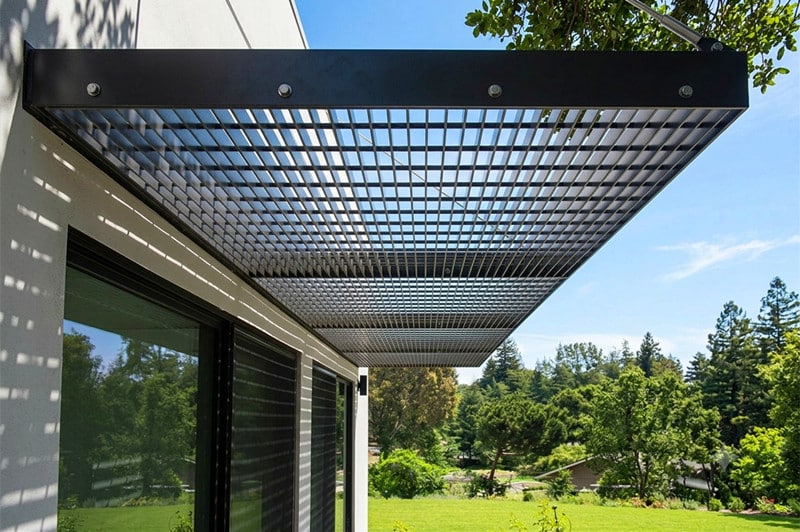









Understanding Press Locked Steel Grating for Architectural Screen Applications
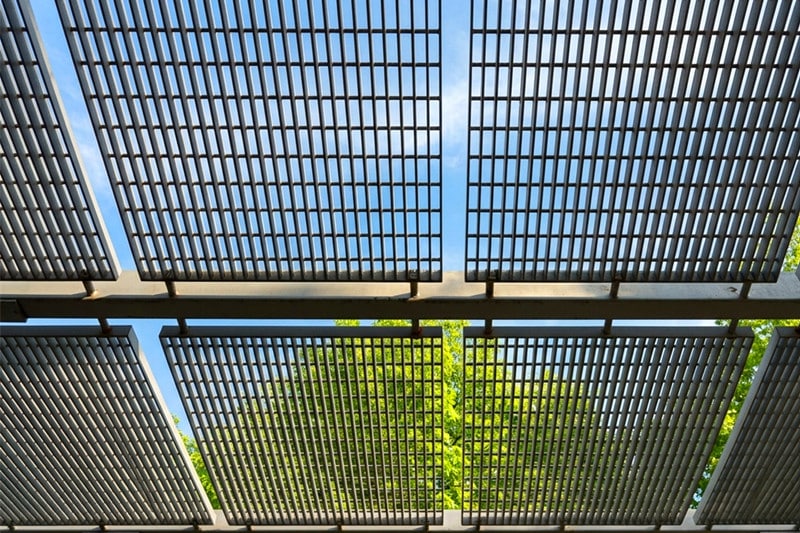
Architectural building screens have become an important element in modern commercial and industrial design. They provide visual shielding, ventilation, sunlight control, and a distinctive metal appearance while maintaining structural reliability. Among different metal screening solutions, press locked steel grating building screens are widely used because they combine strength, open-area design, and a clean architectural finish.
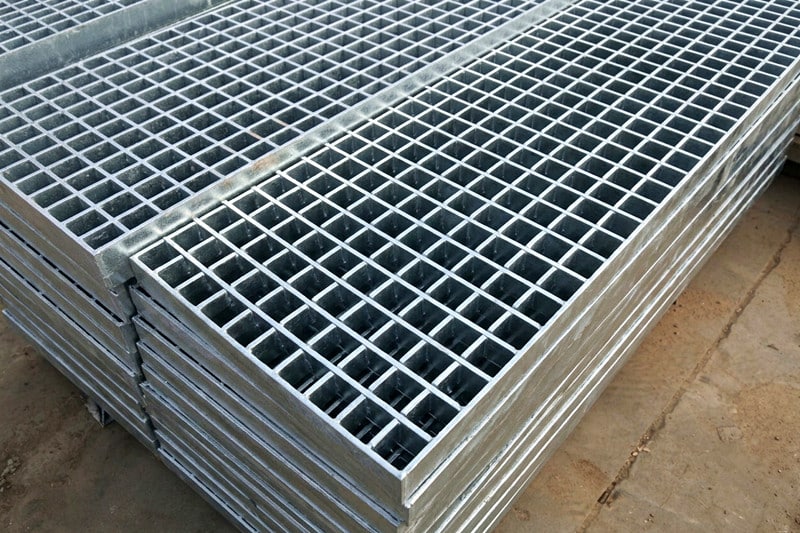
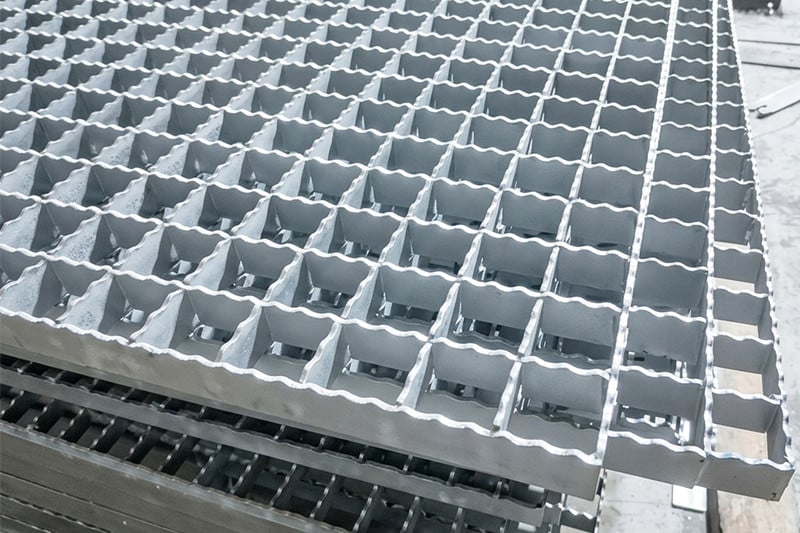
Unlike traditional welded steel grating, press locked steel grating is manufactured by mechanically pressing cross bars into precisely slotted bearing bars. This interlocking structure creates a uniform panel appearance with smooth lines, making it suitable for applications where both performance and aesthetics are important.
For architects, contractors, and facade engineers, successful installation is not only about fixing panels onto a supporting structure. Proper planning of panel layout, alignment, fastening methods, and surface protection plays an important role in achieving a durable and visually consistent installation.

Screen Layout Planning Before Installation
Before installing press locked steel grating building screens, detailed layout planning should be completed based on the building design, support structure, and final appearance requirements.
The first step is confirming panel dimensions and installation orientation. Press locked grating panels normally have a defined bearing bar direction, and the load-bearing side should be considered during design even when the panels are primarily used as decorative screens.
Key factors to consider during layout planning include:
- Panel size and quantity calculation
Accurate measurements help minimize cutting requirements and reduce material waste. - Bearing bar direction
Maintaining consistent bearing bar orientation creates a cleaner visual appearance across the entire screen system. - Expansion and movement allowance
Outdoor architectural screens may experience temperature changes, so sufficient clearance should be considered during installation. - Support frame positioning
The supporting structure should match the planned panel dimensions to ensure stable fixing and proper alignment.
In practical projects, installation problems often occur because screen panels are ordered without fully coordinating with the supporting framework. Early communication between designers, fabricators, and installers can prevent unnecessary modifications during construction.
Panel Alignment and Visual Consistency
For architectural applications, alignment is one of the most important installation considerations. Even small deviations between adjacent panels can affect the overall appearance of a large building facade.
During installation of press locked steel grating building screens, installers should check:
- Horizontal and vertical panel alignment
- Uniform spacing between neighboring panels
- Consistent distance from the supporting frame
- Proper positioning of connection points
Using temporary positioning supports before final fastening is a common method to improve installation accuracy. This allows workers to adjust panel placement before tightening all clips and fasteners.
For large facade projects, it is recommended to install panels section by section rather than fixing all panels at once. This approach makes it easier to maintain consistent lines across the entire screen area.
Common Mounting Methods for Press Locked Steel Grating Screens
The mounting method depends on the building structure, panel size, wind load requirements, and project specifications.
Common installation methods include:
Using Grating Clips and Fasteners
Grating clips are one of the most commonly used solutions for securing press locked steel grating panels. They allow panels to be fixed firmly while also making future removal or replacement easier.
Typical components include:
- Upper and lower clip parts
- Bolts and nuts
- Supporting brackets or frames
For architectural screen applications, stainless steel fasteners are often preferred, especially when the project requires long-term corrosion resistance or when stainless steel grating panels are used.
Welding to Supporting Structures
In some permanent installations, panels may be welded directly to steel supports. However, welding should be carefully controlled because excessive heat can damage protective coatings such as galvanizing.
For galvanized press locked steel grating, welding areas may require additional corrosion protection after installation.
Customized Mechanical Fixing Systems
Large architectural projects may require customized brackets or concealed fixing systems to achieve a cleaner appearance. These solutions are often developed according to facade engineering requirements.
Selecting the Right Grating Clips and Fasteners
Choosing suitable clips and fasteners is critical for the stability and service life of press locked steel grating building screens.
Several factors should be evaluated:
Material Compatibility
Fasteners should match the grating material and environmental conditions. For example:
- Galvanized steel grating typically requires corrosion-resistant fixing components.
- When attaching stainless steel panels to structural carbon steel framing, installers must incorporate elastomeric or neoprene isolating washers to break direct metallic contact and completely eliminate galvanic corrosion risks.
Environmental Exposure
Buildings located in coastal areas, industrial environments, or high-humidity regions may require higher corrosion resistance compared with standard indoor applications.
Maintenance Requirements
If the screen panels may need inspection or replacement in the future, bolted clip systems can provide easier maintenance compared with permanent welding connections.
A professional supplier should not only provide grating panels but also help customers select suitable installation accessories according to actual project conditions.
Protecting Galvanized and Stainless Steel Finishes During Installation
Surface protection is an important part of installing architectural metal screens. Damage during transportation or installation can reduce corrosion resistance and affect the final appearance.
Protecting Galvanized Steel Grating
For galvanized press locked steel grating building screens, installers should avoid:
- Dragging panels directly on rough surfaces
- Using tools that scratch the zinc coating
- Leaving cut edges untreated in corrosive environments
If cutting or drilling is required on site, exposed steel areas should be properly repaired with suitable zinc-rich coating or approved protection methods.
Protecting Stainless Steel Grating
Stainless steel surfaces require careful handling to maintain their appearance.
Recommended practices include:
- Using clean lifting equipment
- Avoiding contact with carbon steel contamination
- Removing protective films only after installation when applicable
For architectural projects, maintaining the original surface finish is essential because scratches and stains can be highly visible under natural lighting.
Installation Considerations for Long-Term Performance
A successful press locked steel grating building screens installation should consider both immediate appearance and long-term performance.
Professional installation practices help ensure:
- Stable panel positioning
- Consistent facade appearance
- Reduced maintenance requirements
- Longer service life of the metal structure
At the manufacturing stage, accurate slotting, precise pressing, and quality control of each panel also influence installation results. Working with an experienced bar grating supplier helps ensure that panel dimensions, tolerances, and surface treatments meet project requirements.
For architects, contractors, and construction companies, press locked steel grating provides a flexible solution for modern building screens when proper design and installation methods are applied.