









Understanding Load Requirements for Press Locked Steel Grating Walkways
When selecting press locked steel grating for industrial walkways, load capacity is one of the first engineering factors that must be considered. A grating panel may look similar in appearance, but its performance can vary significantly depending on bearing bar size, span direction, support conditions, and expected service loads.
In practical applications, engineers and project buyers usually do not select steel grating based only on panel dimensions. They need to understand how the grating will perform under actual working conditions, including pedestrian traffic, maintenance equipment, material handling, or occasional heavy loads.
A reliable press locked steel grating load span guide helps engineers determine the appropriate specification before manufacturing. Choosing the correct load capacity at the design stage can prevent excessive deflection, unnecessary material costs, and installation problems.
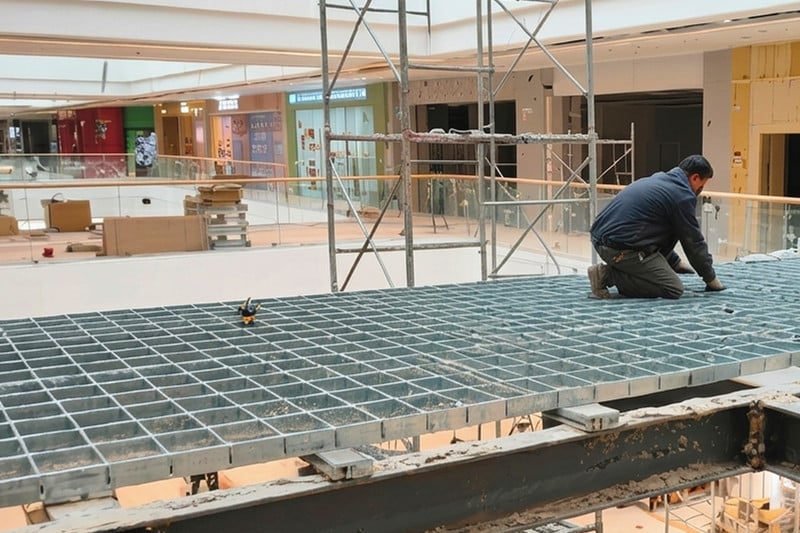
Key Load Factors Affecting Press Locked Steel Grating Selection
Static Load and Dynamic Load Considerations
The first step in selecting press locked steel grating is identifying the type of load the walkway will experience.
For standard industrial walkways, the main load categories usually include:
- Uniform distributed loads (UDL): Loads spread evenly across the grating surface, commonly used for pedestrian walkways and platforms.
- Concentrated loads: Loads applied to a specific area, such as equipment wheels, maintenance tools, or transported materials.
- Dynamic loads: Moving or impact loads caused by carts, vehicles, or operational activities.
In many industrial facilities, the actual service condition is more complex than a simple pedestrian application. For example, a maintenance platform may occasionally support tools or replacement components. In these cases, engineers often select a higher load rating to provide additional safety and service life.
The Importance of Span Direction
One of the most common mistakes when ordering steel grating is overlooking the span direction.
The bearing bars are the primary load-carrying components of press locked steel grating. The grating should always be installed with the bearing bars spanning between structural supports. The distance between supports directly affects the load capacity and deflection performance.
A shorter span generally allows the same bearing bar size to support higher loads with less deflection. Conversely, longer spans require stronger bearing bars or additional structural support.
Before production, engineers usually provide:
- Clear span distance between supports
- Support frame arrangement
- Load requirements
- Installation orientation
This information allows the manufacturer to recommend a suitable grating specification rather than simply supplying a standard panel size.
How Bearing Bar Size Influences Load Performance
Bearing Bar Thickness and Height Selection
The bearing bar is the main structural element of steel grating. Its height and thickness determine the panel’s strength, stiffness, and maximum allowable span.
For walkway applications, common considerations include:
- Bearing bar height: affects bending resistance and span capability
- Bearing bar thickness: influences load capacity and durability
- Bearing bar spacing: affects walking comfort and load distribution
A deeper bearing bar generally provides better structural performance because it increases the section modulus of the grating panel. However, the correct selection depends on the actual span and loading requirements.
For example, a press locked steel grating panel installed over a long walkway span may require a higher bearing bar profile compared with a small maintenance platform supported by closely spaced beams.
Choosing the Right Specification Instead of Oversizing
A frequent purchasing concern is whether to select a heavier grating specification for additional safety. While increasing bearing bar size can improve load capacity, overspecifying the product may increase project costs and installation weight unnecessarily.
Experienced engineers typically balance:
- Required load capacity
- Span length
- Safety factors
- Installation conditions
- Budget considerations
A professional steel grating manufacturer can help customers find the most efficient specification based on project requirements.
Deflection Considerations for Walkway Applications
Load capacity is not the only factor that matters when designing a safe walkway. Deflection control is equally important.
Even if a grating panel can technically support the required load, excessive deflection may create problems such as:
- Uncomfortable walking conditions
- Vibration concerns
- Reduced user confidence
- Potential interference with nearby equipment
In industrial environments, engineers usually consider both strength and serviceability. The selected press locked steel grating should provide sufficient rigidity while maintaining practical installation requirements.
For walkway projects, controlling deflection is especially important in areas with frequent personnel movement, elevated platforms, and access passages.
What Engineers Need to Provide Before Ordering Press Locked Steel Grating
To avoid specification errors, project engineers and purchasing teams typically provide several key details before requesting a quotation.
Recommended Technical Information
A complete inquiry should include:
- Application type (walkway, platform, stair tread, maintenance area, etc.)
- Required load rating
- Span direction and support distance
- Panel dimensions
- Bearing bar size requirements
- Surface treatment requirements
- Material standard requirements
Providing accurate technical information allows the manufacturer to recommend the right product and reduce communication delays during the procurement process.
For international B2B projects, clear technical communication is especially important because steel grating specifications may vary between regions and industries.
Practical Guidance from a Steel Grating Manufacturer
From a manufacturing perspective, many project issues can be avoided when load requirements are confirmed before production begins.
A common challenge in steel grating procurement is that buyers focus mainly on panel size while overlooking structural conditions. However, two grating panels with identical dimensions may have completely different performance depending on bearing bar selection and support arrangement.
At Hebei Grid Metal Products, we work with customers to understand application requirements before recommending press locked steel grating solutions. By considering load conditions, span requirements, and installation environments together, we help ensure the final product meets both engineering expectations and practical job-site needs.
Conclusion: Selecting the Right Press Locked Steel Grating for Walkway Projects
A proper press locked steel grating load span guide is essential for safe and efficient walkway design. Load type, span direction, bearing bar size, and deflection control all play important roles in determining the right specification.
For engineers, contractors, and industrial buyers, providing complete project information before ordering is the best way to achieve reliable performance, avoid costly modifications, and ensure the grating system meets long-term operational requirements.






