








When steel grating is installed in outdoor environments, corrosion protection is not only a surface treatment decision — it is a long-term performance consideration. For industrial platforms, walkways, drainage covers, bridges, and infrastructure projects exposed to moisture or harsh weather conditions, selecting the right galvanizing standard can directly influence service life and maintenance requirements.
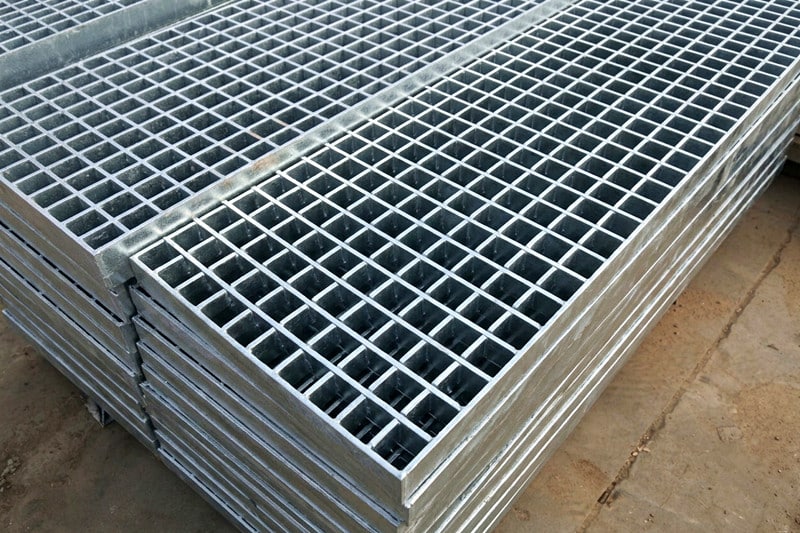
ASTM A123 press locked steel grating is widely specified for projects that require reliable corrosion resistance and consistent coating quality. By applying hot-dip galvanizing according to ASTM A123 requirements, the steel grating receives a durable zinc coating that helps protect the steel structure from rust and environmental damage.
For international buyers, understanding the relationship between galvanizing standards, coating performance, and application conditions is essential when sourcing press locked steel grating.
Why Coating Standards Matter for Press Locked Steel Grating
Steel grating used in outdoor applications is continuously exposed to environmental factors such as rain, humidity, temperature changes, and industrial pollutants. Without proper corrosion protection, untreated carbon steel can experience surface oxidation, reduced structural reliability, and increased maintenance costs over time.
A recognized galvanizing standard provides manufacturers and buyers with a clear reference for coating quality. ASTM A123 defines the requirements for hot-dip galvanized coatings on fabricated steel products, including coating thickness, appearance, and inspection procedures.
For press locked steel grating, compliance with ASTM A123 helps ensure that the galvanized coating is applied consistently across bearing bars, cross bars, and connection areas.
A professional procurement decision should consider not only the initial purchase price but also the expected service life of the grating system. A properly galvanized steel grating solution can reduce replacement frequency and minimize maintenance interruptions, especially in demanding outdoor environments.

Hot-Dip Galvanizing for Outdoor Press Locked Steel Grating
Hot-dip galvanizing is one of the most commonly used corrosion protection methods for steel grating applications. During the galvanizing process, fabricated steel components are immersed in molten zinc, creating a metallurgical bond between the zinc coating and the steel surface.
Compared with painting or other surface treatments, hot-dip galvanizing provides several advantages:
- Long-term corrosion resistance: The zinc coating acts as a protective barrier against moisture and corrosive elements.
- Complete surface coverage: The galvanizing process protects both visible and difficult-to-reach areas, including edges and internal surfaces.
- Low maintenance requirements: Properly galvanized steel grating can maintain performance for many years with limited upkeep.
- Strong mechanical protection: The zinc coating is firmly bonded to the steel, making it more resistant to impact and abrasion.
For outdoor press locked steel grating, ASTM A123 hot-dip galvanizing is often selected for applications where durability and reliability are critical.
Common project environments include:
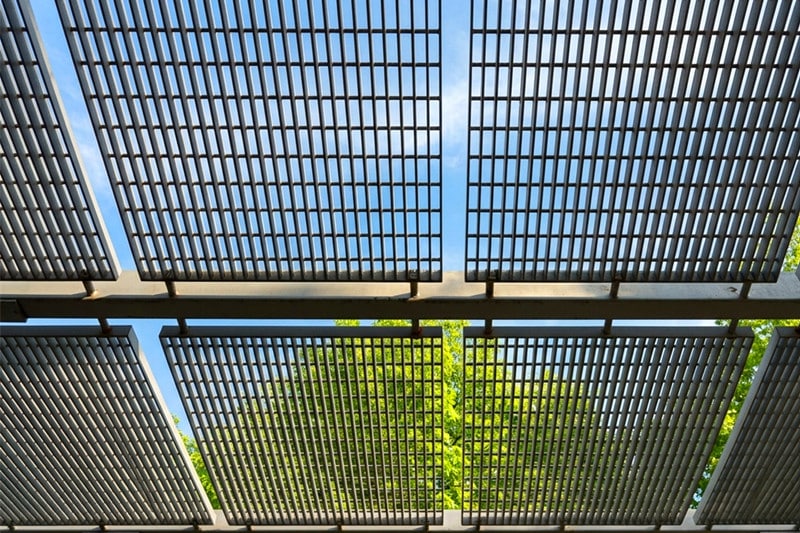
- Industrial platforms and maintenance walkways
- Chemical plants and processing facilities
- Wastewater treatment facilities
- Marine and coastal construction areas
- Outdoor stairways and access systems
- Infrastructure projects exposed to weather conditions
Coating Uniformity Inspection for ASTM A123 Steel Grating
Coating consistency is an important factor when evaluating the quality of galvanized press locked steel grating. Uneven zinc coverage may create areas with reduced corrosion protection and affect the overall service performance of the product.
During inspection, manufacturers typically evaluate several aspects of the galvanized coating:
Zinc Coating Thickness
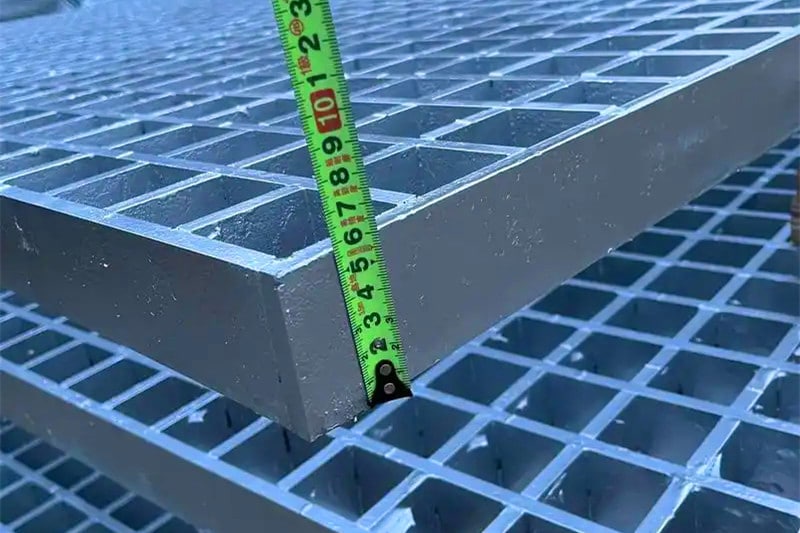
ASTM A123 specifies minimum coating requirements based on steel thickness and product category. Measuring zinc coating thickness helps confirm that the grating meets the required protection level.
Surface Appearance
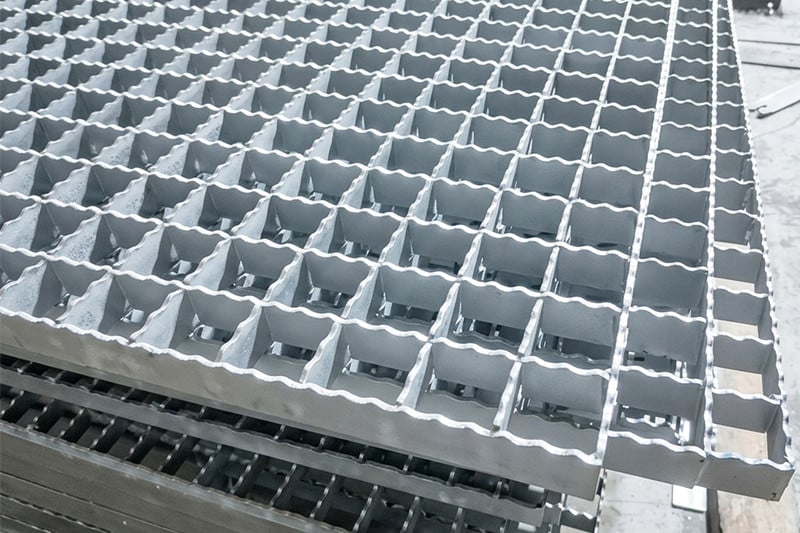
A high-quality galvanized surface should have a consistent appearance without excessive defects that could affect installation or long-term performance.
Adhesion and Coverage
The zinc coating should be firmly bonded to the steel substrate and provide complete coverage across the fabricated grating structure.
For B2B buyers, requesting galvanizing inspection records or quality documentation from suppliers can help verify that the ASTM A123 press locked steel grating meets project specifications.
Project Environments That Require Corrosion Protection
Not every steel grating project requires the same level of corrosion protection. Selecting the appropriate coating method depends on environmental exposure, expected service life, and operating conditions.
ASTM A123 press locked steel grating is particularly suitable for applications where steel structures face continuous outdoor exposure.
Coastal and Marine Areas
Salt spray and high humidity accelerate steel corrosion. Hot-dip galvanized press locked grating provides additional protection for docks, platforms, and coastal facilities.
Industrial Facilities
Factories, power plants, and chemical processing facilities may contain moisture, chemicals, or airborne contaminants that increase corrosion risks. Galvanized grating helps maintain structural integrity under these conditions.
Infrastructure Projects
For bridges, pedestrian walkways, and public facilities, durability and reduced maintenance are important factors. Galvanized steel grating offers a practical solution for long-term outdoor use.
Choosing the correct corrosion protection method during the design stage can prevent costly repairs and operational disruptions later.
Buyer Checklist for ASTM A123 Press Locked Steel Grating
Before purchasing press locked steel grating for outdoor projects, buyers should evaluate several key factors:
Confirm the Galvanizing Standard
Make sure the supplier can provide hot-dip galvanizing according to ASTM A123 requirements rather than general galvanizing descriptions.
Check Material Specifications
Review steel grade, bearing bar dimensions, cross bar specifications, and load requirements to ensure the grating matches the project design.
Verify Quality Control Procedures
Ask about coating inspection methods, production processes, and quality documentation.
Consider the Installation Environment
Discuss the actual application conditions with the supplier, including humidity, chemical exposure, temperature changes, and expected service life.
Select an Experienced Manufacturer
A manufacturer with experience in producing and exporting press locked steel grating can provide better technical support, from product selection to documentation preparation.
Conclusion
ASTM A123 press locked steel grating provides a reliable solution for outdoor applications where corrosion resistance and long-term durability are essential. Through hot-dip galvanizing, the steel structure receives a protective zinc coating designed to withstand challenging environmental conditions.
For engineers, contractors, and international buyers, selecting a supplier that understands galvanizing standards, manufacturing processes, and application requirements is an important step toward achieving a safe and durable grating system.