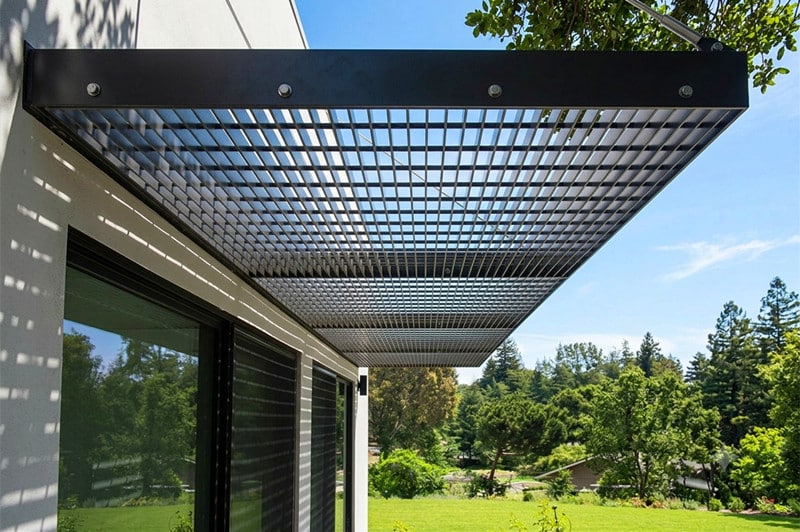









When selecting press locked steel grating for industrial platforms, walkways, mezzanines, or architectural applications, many buyers focus mainly on load capacity, material grade, and finish options. However, dimensional accuracy is equally important, especially for projects requiring multiple panels to be installed together.
A properly manufactured grating panel should not only meet structural requirements but also maintain consistent dimensions, accurate grid alignment, and acceptable surface flatness. These factors directly affect installation efficiency, visual appearance, and long-term performance.
Understanding press locked steel grating tolerance helps engineers, contractors, and purchasing teams evaluate supplier capability and reduce installation problems before materials arrive on site.
Why Tolerance Matters in Press Locked Steel Grating
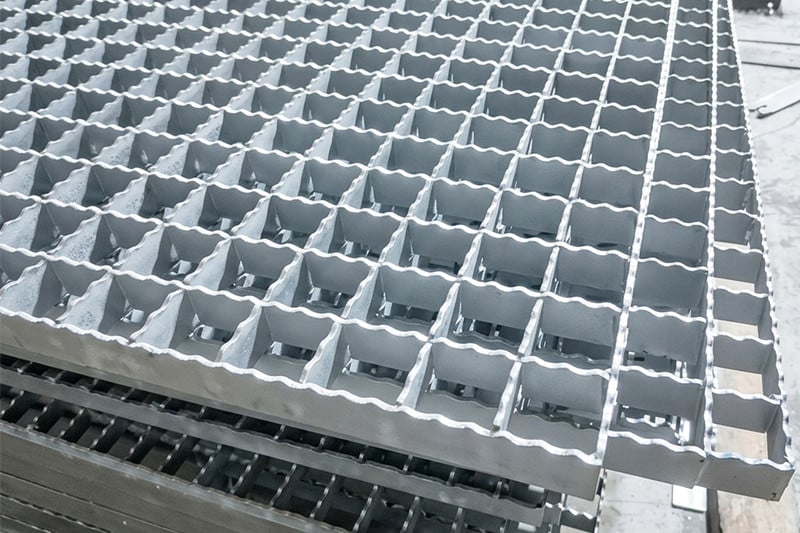
In press locked manufacturing, cross bars are mechanically pressed into pre-slotted bearing bars under high pressure to create a strong friction-locked structure. Because the connection relies on precise positioning between bearing bars and cross bars, manufacturing accuracy plays an important role in the final panel quality.
Proper tolerance control ensures that:
- Grating panels fit correctly during installation
- Adjacent panels maintain consistent spacing
- Supporting structures receive uniform loads
- Field modifications and adjustments are minimized
- Finished platforms have a clean and professional appearance

For large industrial projects, even small dimensional variations can become noticeable when multiple panels are installed across a continuous surface. This is why experienced manufacturers pay close attention to every stage, from bar preparation and slotting to pressing and final inspection.
Grid Alignment Requirements for Press Locked Steel Grating
Grid alignment is one of the key factors affecting the quality of press locked grating.
During production, bearing bars and cross bars must remain accurately positioned to maintain a consistent opening pattern. Misalignment can occur when:
- Cross bars are not inserted evenly during pressing
- Material preparation is inaccurate
- Excessive pressing force affects bar positioning
- Panels are not properly controlled during finishing
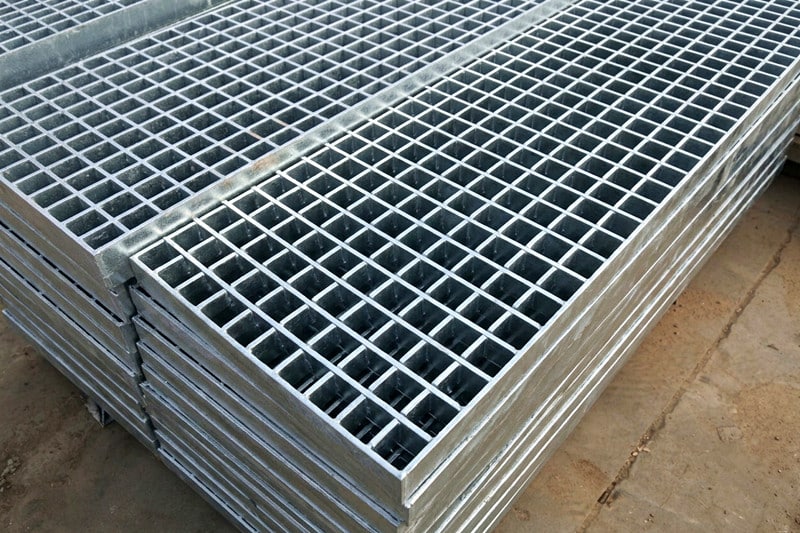
A well-produced press locked steel grating panel should have uniform openings and straight bearing bar lines. Consistent grid alignment improves both appearance and functional performance, particularly in applications where the grating surface is highly visible.
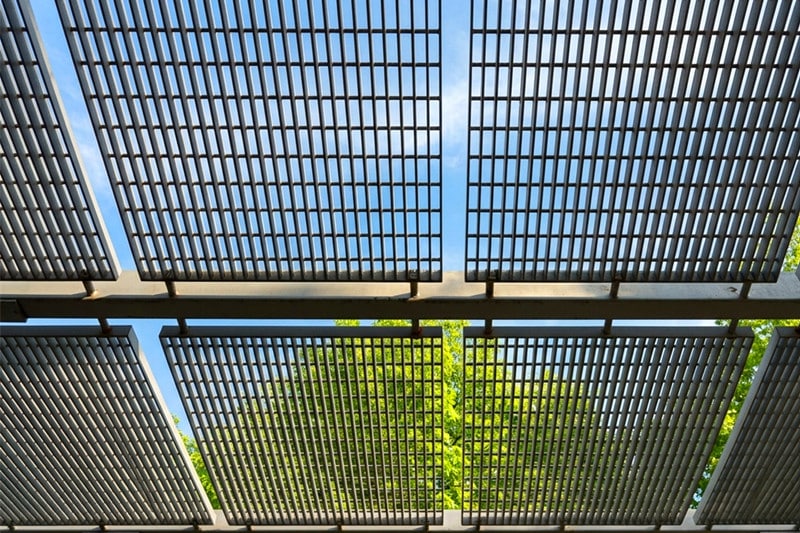
For architectural projects, platforms, and walkways, alignment accuracy is often just as important as mechanical strength because the final installation must provide a clean and professional look.
Surface Flatness of Press Locked Steel Grating Panels
Surface flatness is another important inspection point for press locked steel grating.
A flat grating surface provides better walking comfort, easier equipment movement, and smoother installation. Excessive deformation or unevenness may create problems such as:
- Uneven contact with support beams
- Panel height differences between adjacent sections
- Difficult bolt or clip installation
- Visible irregularities after installation

Several factors can influence surface flatness, including material characteristics, manufacturing pressure, panel size, and handling methods.
Professional manufacturers use proper production controls to reduce distortion and maintain stable panel geometry. For customers ordering large quantities, checking surface flatness before shipment helps prevent unexpected adjustments during field installation.
Avoiding Visible Panel Mismatch During Installation
For many industrial applications, steel grating panels are installed side by side over a large area. Even when each individual panel meets basic requirements, inconsistent dimensions between panels can create visible differences after installation.
Common issues include:
- Different panel widths causing uneven joint lines
- Inconsistent bearing bar spacing affecting appearance
- Slight height variations between neighboring panels
- Misaligned edges during installation
To avoid these problems, buyers should work with suppliers that understand both manufacturing standards and practical installation requirements.
Before production begins, it is recommended to confirm:
- Panel dimensions and allowable tolerances
- Bearing bar specifications
- Cross bar spacing requirements
- Installation direction and support conditions
- Required inspection standards
Clear communication between the supplier, engineer, and project team helps ensure that the delivered grating matches the project expectations.
Inspection Points Before Shipment
Before shipping press locked steel grating, professional manufacturers normally perform dimensional and visual inspections to verify product quality.
Important inspection items include:
Panel Dimensions
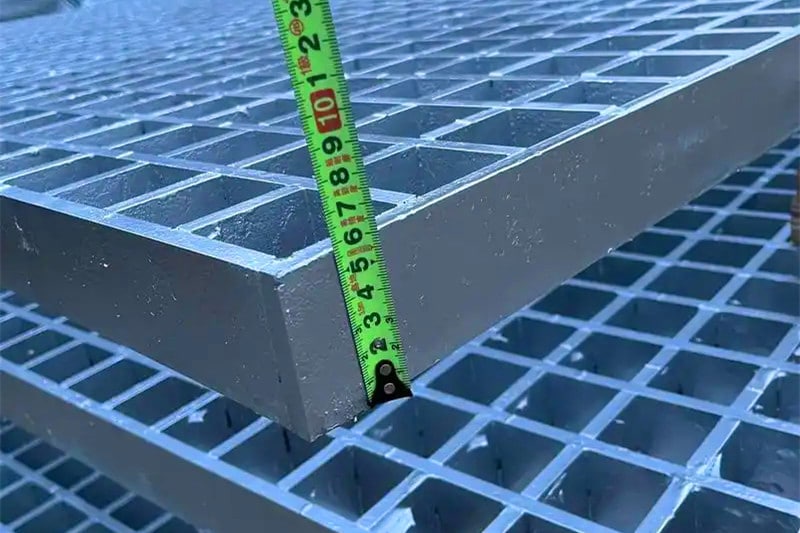
Measurements should confirm that length, width, and overall panel size meet the approved drawings or specifications.
Grid Accuracy
Inspectors check bearing bar spacing, cross bar positioning, and opening consistency to ensure proper alignment.
Surface Condition
The panel surface should be checked for flatness, deformation, and any visible manufacturing defects.
Edge Quality
Cut edges and finished borders should be inspected to ensure safe handling and proper installation.
Surface Treatment Quality
For galvanized or coated grating, the surface finish should be checked to confirm uniform coverage and protection against corrosion.
A reliable steel grating supplier does not only produce grating according to drawings but also maintains quality control throughout the manufacturing process. These inspection steps provide customers with greater confidence before materials are delivered to the job site.
Choosing a Reliable Press Locked Steel Grating Manufacturer
Tolerance control is an important indicator of a manufacturer’s production capability. A supplier with strong experience in press locked steel grating understands that quality is not only about meeting strength requirements but also about delivering panels that install smoothly and perform consistently.
For international buyers, selecting a manufacturer with professional production processes, inspection procedures, and export experience can significantly reduce project risks.
At the purchasing stage, requesting technical drawings, tolerance information, and quality inspection records can help ensure that the final product meets both engineering and installation requirements.
Accurate manufacturing creates better installation results. In steel grating projects, small details such as grid alignment and surface flatness often make the biggest difference.