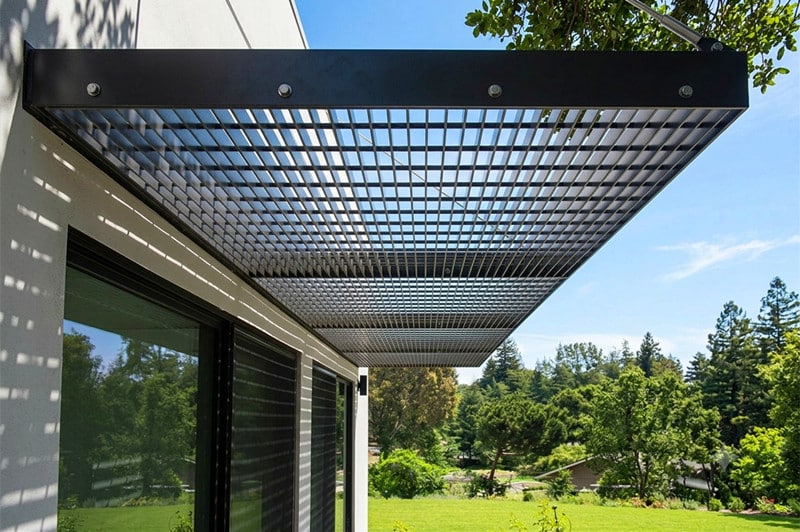









Understanding Outdoor Corrosion Risks for Press Locked Steel Grating
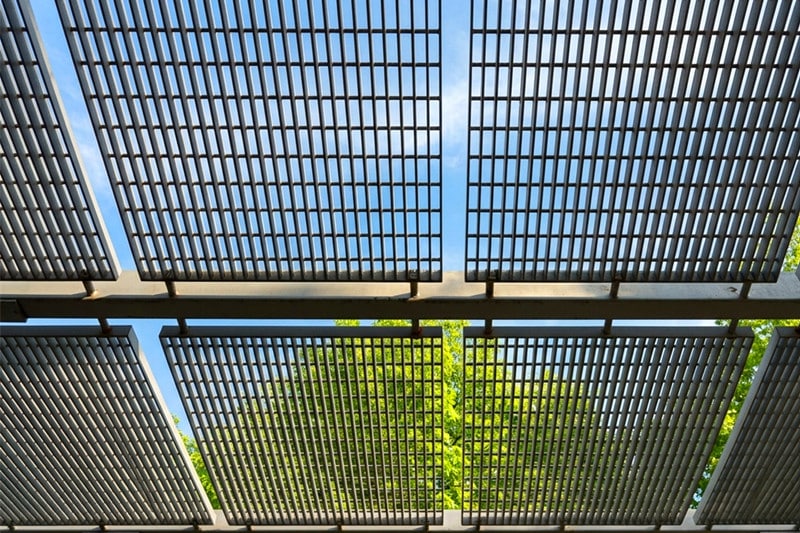
When steel grating is installed in outdoor environments, corrosion resistance becomes one of the most important factors affecting service life and maintenance costs. Applications such as industrial platforms, walkways, drainage covers, bridges, offshore facilities, and chemical processing areas often expose steel grating to moisture, rainwater, temperature changes, and corrosive substances.
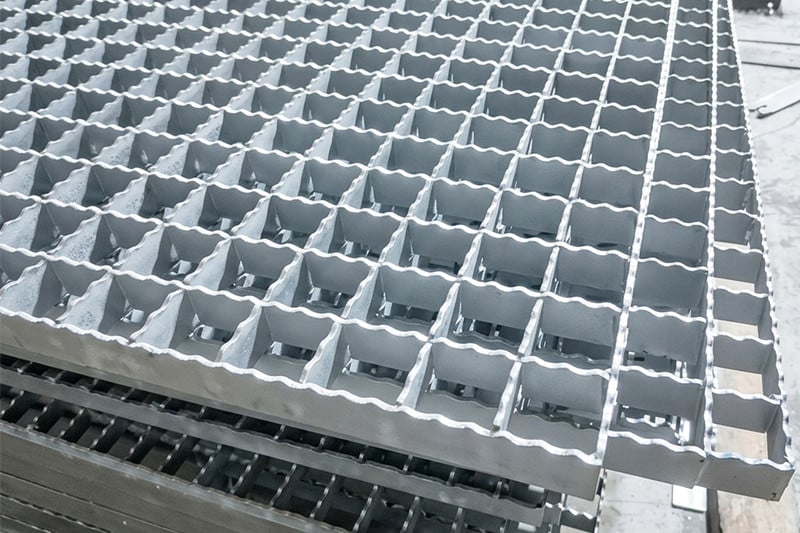
Press locked steel grating is manufactured by pressing cross bars into pre-slotted bearing bars, creating a strong mechanical connection without welding. This structure provides a clean appearance and high load-bearing performance, but like other carbon steel products, it requires proper surface protection when used in corrosive environments.
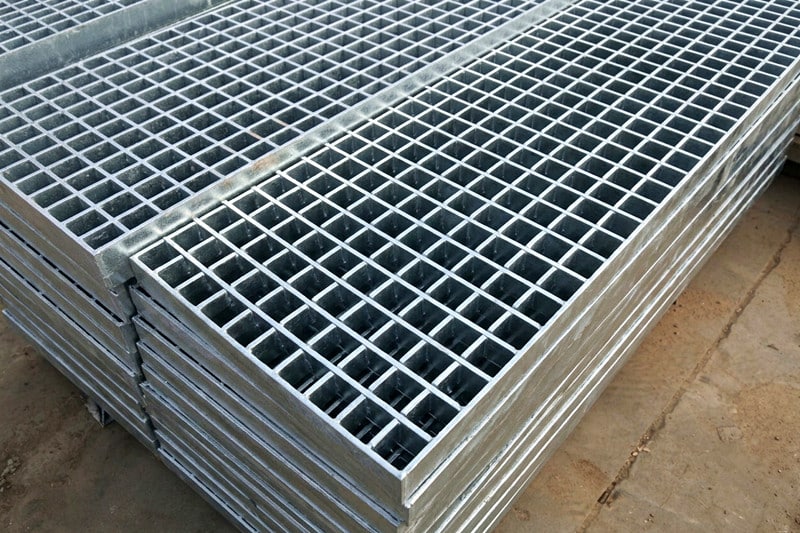
For outdoor applications, hot-dip galvanized press locked steel grating is widely selected because the zinc coating provides long-term protection against rust and environmental exposure. Choosing the correct surface treatment at the beginning of a project can significantly reduce future repair work and replacement costs.
Why Hot-Dip Galvanizing Is Commonly Used for Press Locked Steel Grating

Hot-dip galvanizing is a surface treatment process where fabricated steel grating is immersed in molten zinc. During this process, zinc metallurgically bonds with the steel surface, forming a series of zinc-iron alloy layers covered by a pure zinc outer layer.
Unlike paint coatings that only create a physical barrier, galvanized coatings provide both barrier protection and sacrificial protection. Even if minor scratches or damaged areas appear during transportation or installation, the zinc coating can continue protecting the exposed steel by sacrificing itself first.
For this reason, hot-dip galvanized press locked steel grating is commonly used in projects where long service life, low maintenance, and reliable corrosion resistance are required.
Typical applications include:
- Outdoor industrial platforms
- Steel walkways and access stairs
- Power plants and water treatment facilities
- Chemical processing plants
- Marine and coastal structures
- Infrastructure projects exposed to weather conditions
In these environments, galvanized steel grating offers a practical balance between performance and cost compared to more expensive corrosion-resistant materials.
ASTM A123 Standard for Galvanized Steel Grating Protection
For many industrial projects, hot-dip galvanizing requirements are specified according to recognized international standards. One commonly referenced standard is ASTM International ASTM A123, which covers hot-dip galvanized coatings on iron and steel products.
When manufacturing interlocking steel grating, suppliers should ensure that:
- The steel surface is properly prepared before galvanizing
- The zinc coating meets the specified thickness requirements
- The galvanized layer is continuous and firmly bonded
- The finished product passes coating quality inspections
Following ASTM A123 requirements helps provide consistency between different suppliers and gives project engineers confidence that the galvanized coating can perform as expected in demanding environments.
For international buyers, requesting galvanizing standards and inspection records during procurement is an effective way to reduce quality risks before shipment.
How Galvanized Coating Quality Is Inspected
A high-quality galvanized finish is not determined only by appearance. Professional inspection focuses on coating thickness, surface condition, adhesion, and overall coverage.
Common inspection methods for galvanized steel grating include:
Coating Thickness Measurement
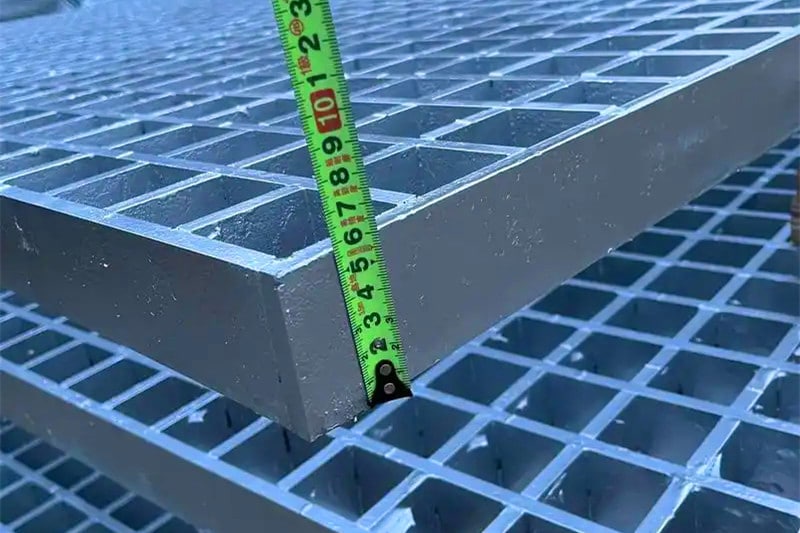
A magnetic thickness gauge is typically used to measure zinc coating thickness. The measured values should meet the project specification or applicable galvanizing standard requirements.
Visual Surface Inspection
Inspectors check the galvanized surface for:
- Missing coating areas
- Excess zinc buildup
- Uneven coating conditions
- Surface defects caused during handling
A properly galvanized press locked steel grating should have a complete and uniform zinc coating across bearing bars, cross bars, and edges.
Documentation Review
For large industrial projects, buyers often request quality documents, including:
- Material certificates
- Galvanizing inspection reports
- Production inspection records
- Packing and shipment reports
These documents help ensure that the supplied steel grating matches engineering requirements and purchase specifications.
Hot-Dip Galvanized Steel Grating vs Stainless Steel Grating
When corrosion resistance is a priority, some customers consider stainless steel grating as an alternative to galvanized steel grating. However, the best choice depends on the application environment, budget, and expected service conditions.
Stainless steel provides excellent corrosion resistance, especially in highly aggressive environments such as food processing, pharmaceutical facilities, and areas with continuous chemical exposure. However, the material cost is significantly higher compared with carbon steel products.
For many outdoor industrial applications, hot-dip galvanized press locked steel grating provides a more economical solution with reliable corrosion protection.
A comparison:
| Factor | hot-dip galvanized Press-fit grating | Stainless Steel Grating |
|---|---|---|
| Material Cost | More economical | Higher investment |
| Corrosion Resistance | Excellent for most outdoor environments | Superior in highly corrosive conditions |
| Maintenance Requirements | Low | Very low |
| Common Applications | Industrial platforms, walkways, infrastructure | Food, pharmaceutical, chemical applications |
| Strength-to-Cost Ratio | Excellent | Higher material expense |
For standard outdoor projects, galvanized steel grating is often the preferred choice because it delivers dependable performance without unnecessary material costs.
Selecting the Right Surface Protection for Your Project
Choosing the correct finish for press locked steel grating requires consideration of several factors, including climate conditions, exposure level, expected service life, and maintenance requirements.
Before placing an order, project engineers and purchasing teams should evaluate:
- Whether the installation is indoor or outdoor
- Exposure to saltwater or chemicals
- Required corrosion protection period
- Applicable project standards
- Total lifecycle cost
An experienced steel grating factory can help recommend the appropriate surface treatment based on actual working conditions rather than simply selecting the lowest initial cost option.
For most outdoor industrial applications, hot-dip galvanized press locked steel grating remains one of the most practical solutions because it combines mechanical strength, corrosion protection, and long-term economic value.