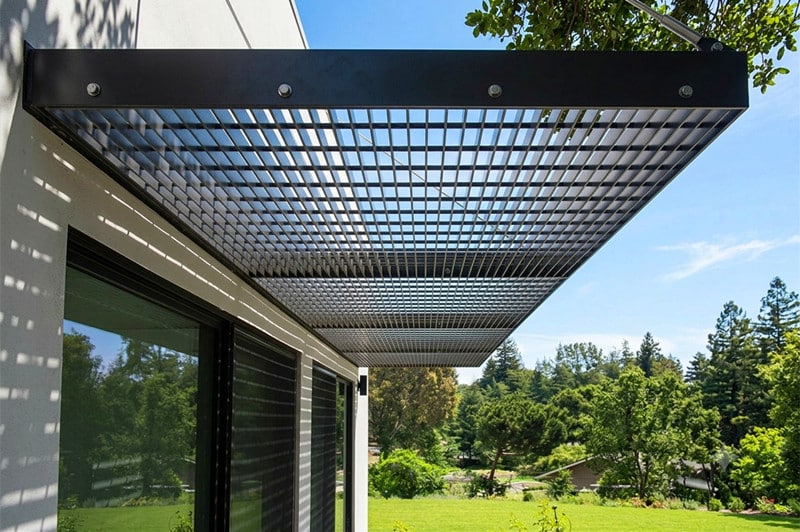









Understanding the Difference Between Welded Grating and Expanded Metal
When specifying industrial flooring systems, engineers and procurement teams often compare welded grating vs expanded metal to determine the most suitable solution. While both materials serve as open flooring options, their structural behavior, performance characteristics, and long-term value differ significantly.
This comparison is not just about material cost—it directly impacts safety, durability, and lifecycle maintenance in demanding industrial environments.
Load Capacity Comparison: Strength Under Real Conditions
Welded Steel Grating

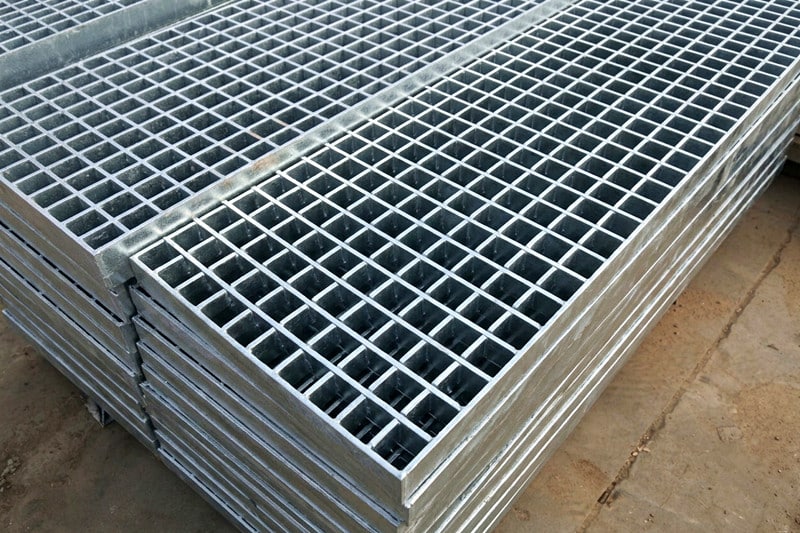
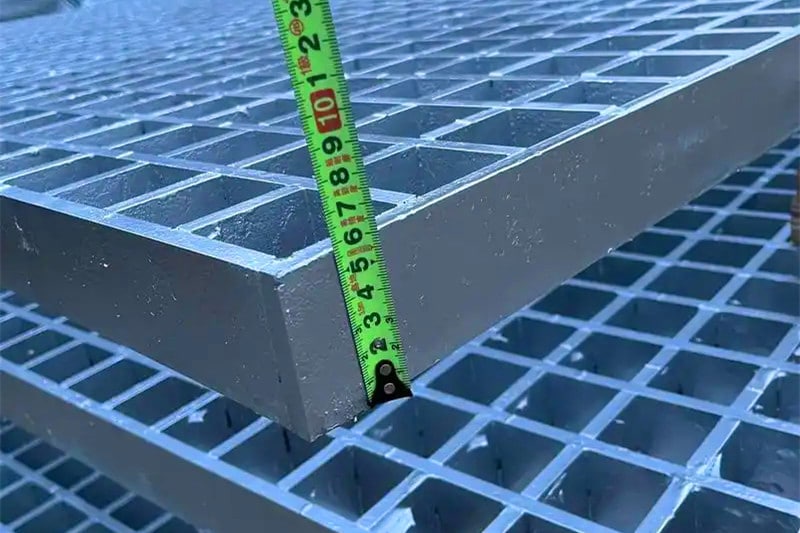
Welded grating is manufactured by resistance-welding cross bars to bearing bars, forming a rigid, load-bearing structure. The bearing bars carry the primary load, making this system highly predictable in engineering calculations.
In practical applications:
- Suitable for heavy-duty loads such as forklifts, equipment platforms, and vehicular traffic
- Load tables are standardized, simplifying design decisions
- Minimal deflection under high loads when properly specified
Expanded Metal

Expanded metal is produced by slitting and stretching a single sheet of metal. While this creates a continuous structure, it lacks dedicated load-bearing members.
In real-world use:
- Better suited for light-duty applications
- Limited span capability
- Higher deflection under load compared to welded grating
Engineering Insight:
For projects requiring structural integrity and compliance with load standards, welded grating is typically the safer and more reliable option.
Drainage and Ventilation: Open Area Efficiency
Welded Grating
Welded grating offers high open area ratios (often 60–80%), allowing:
- Efficient water drainage
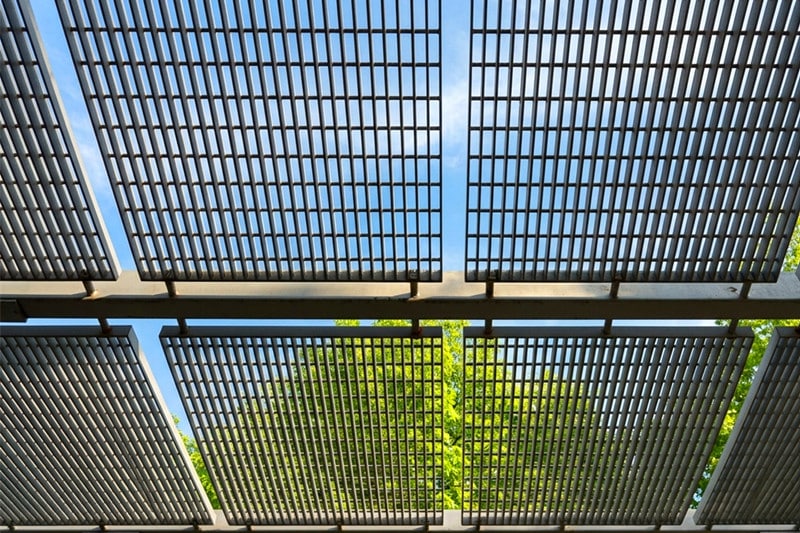
- Strong airflow for ventilation systems
- Reduced accumulation of debris, oil, or chemicals
This makes it ideal for:
- Wastewater treatment plants
- Offshore platforms
- Chemical processing facilities
Expanded Metal
Expanded metal also provides open space, but:
- Openings are smaller and less uniform
- Drainage efficiency is lower
- Can trap debris more easily in certain environments
Operational Perspective:
In environments where fluid handling or airflow is critical, welded grating delivers superior performance.
Slip Resistance: Safety in Harsh Environments
Welded Grating
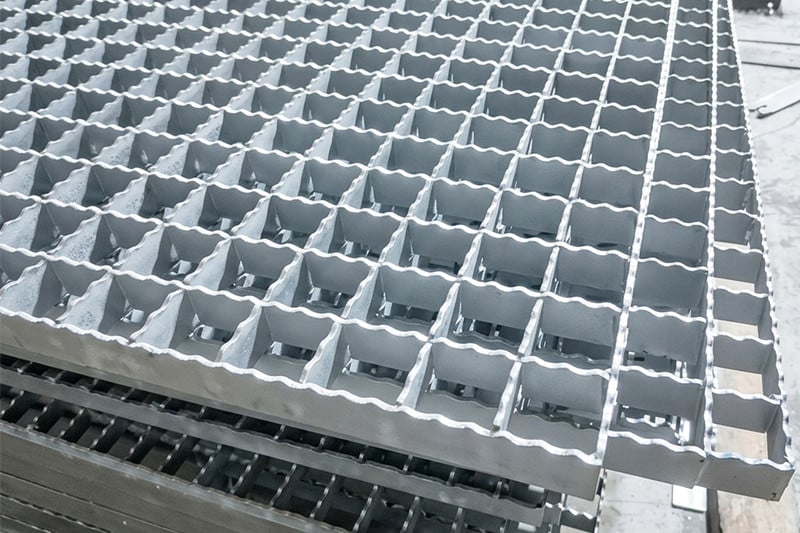
Slip resistance can be enhanced through:
- Serrated bearing bars
- Galvanized or coated surfaces

These features provide:
- Reliable traction in wet, oily, or icy conditions
- Compliance with industrial safety standards
Expanded Metal
Expanded metal naturally offers some grip due to its raised strands. However:
- Slip resistance is less consistent
- Surface deformation over time can reduce effectiveness
Safety Consideration:
For high-risk environments such as oil & gas or heavy manufacturing, welded grating with serrated surfaces is generally preferred.
Maintenance and Lifecycle Cost
Welded Grating
- Easier to clean due to larger openings
- Less prone to clogging
- Hot-dip galvanizing provides long-term corrosion protection
- Individual panels can be replaced without affecting the entire system
Expanded Metal
- More difficult to clean, especially in dirty or oily environments
- Can deform under repeated loads
- Replacement often involves larger sections
Cost Insight:
While expanded metal may appear cost-effective initially, welded grating often results in lower total lifecycle costs due to durability and reduced maintenance.
When Welded Grating Is the Better Choice
Based on field experience and project data, welded grating is typically the better solution when:
- Load requirements are moderate to heavy
- Span distances are significant
- Drainage and ventilation are critical
- Safety standards require reliable slip resistance
- Long-term durability and low maintenance are priorities
Expanded metal remains a viable option for:
- Light-duty walkways
- Temporary structures
- Budget-sensitive projects with minimal load requirements
Final Thoughts: Choosing the Right Material for Industrial Flooring
The decision between welded grating vs expanded metal should be guided by application requirements rather than initial cost alone. In most industrial scenarios—especially those involving heavy loads, harsh environments, or strict safety standards—welded steel grating offers a more robust, reliable, and cost-effective solution over time.
From an engineering and procurement standpoint, investing in the right flooring system upfront reduces operational risks and ensures long-term performance.