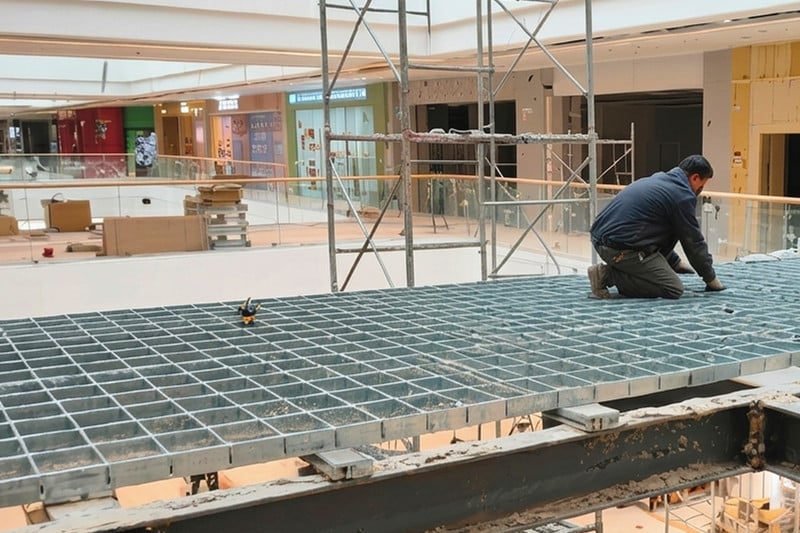
Understanding Load Requirements for Press Locked Steel Grating Walkways When selecting press locked steel grating for industrial walkways, load capacity is one of the first engineering factors that must be considered. A grating panel may look similar in appearance, but its performance can vary significantly depending on bearing bar size, span direction, support conditions, and […]
Understanding Facade Design Requirements In contemporary architecture, façades are no longer just protective envelopes—they are performance-driven systems that balance aesthetics, airflow, daylight control, and structural integrity. When specifying press locked steel grating for building facades, engineers and architects need to evaluate both visual intent and functional demands. Press locked grating is particularly valued in façade […]
Understanding Press Locked Steel Grating Finish Options for Different Applications Selecting the right finish is an important decision when purchasing press locked steel grating for industrial, commercial, or outdoor applications. While the structural design determines the load capacity and performance of the grating, the surface finish directly affects corrosion resistance, service life, maintenance requirements, and […]
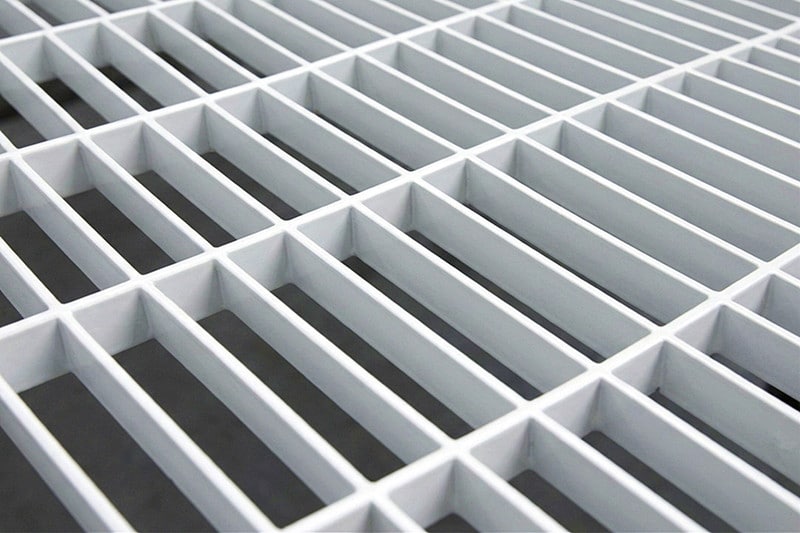
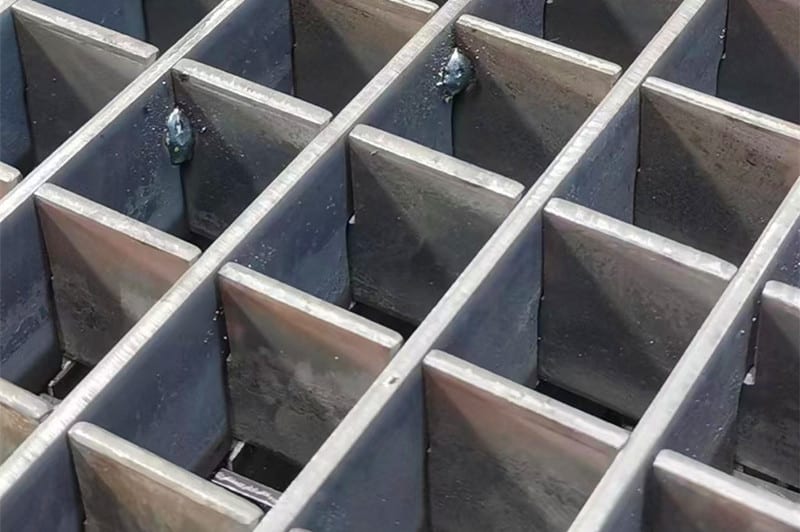
What Is Press Locked Steel Grating? Press locked steel grating is an architectural-grade bar grating manufactured primarily through high-pressure mechanical interlocking. In standard production, cross bars are hydraulically pressed into pre-slotted bearing bars under controlled force to form a tight, precise grid pattern with a flush top surface. In most cases, this process does not […]
Understanding the Difference Between Welded Grating and Expanded Metal When specifying industrial flooring systems, engineers and procurement teams often compare welded grating vs expanded metal to determine the most suitable solution. While both materials serve as open flooring options, their structural behavior, performance characteristics, and long-term value differ significantly. This comparison is not just about […]
Why Welded Steel Grating Is a Practical Choice for Wastewater Facilities Wastewater treatment plants operate in one of the most aggressive industrial environments. Constant exposure to moisture, chemicals, biological contaminants, and fluctuating temperatures creates a demanding setting for any structural material—especially walkway systems. In this context, welded steel grating for wastewater plants has proven to […]
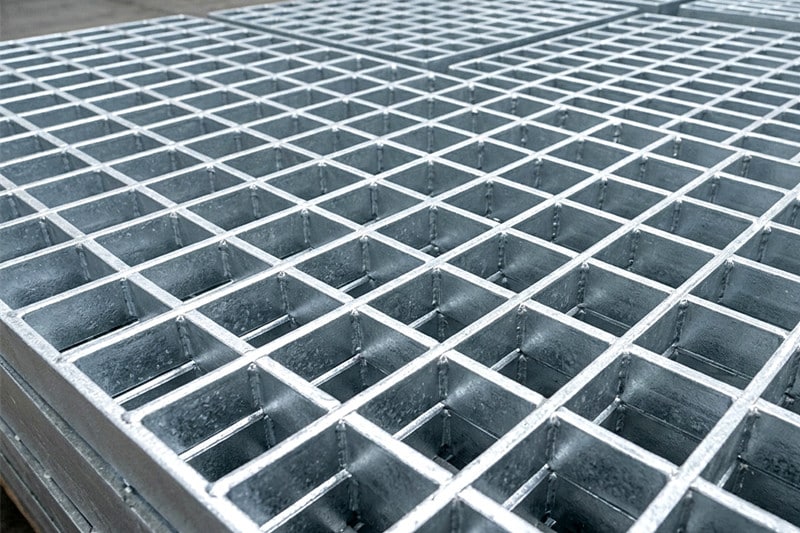
Understanding Welded Steel Grating Panel Size in Export Projects In international projects, selecting the correct welded steel grating panel size is not just a design detail—it directly affects cost efficiency, container utilization, installation speed, and on-site safety. From years of export experience, we’ve seen that even small deviations in panel sizing can lead to increased […]
Why Supplier Evaluation Matters in Grating Projects Selecting the right welded steel grating supplier is more than a procurement step—it directly affects structural safety, installation efficiency, and long-term project reliability. In international B2B projects, especially for industrial platforms, walkways, and infrastructure, supplier capability must be verified beyond quotations and catalogs. Experienced buyers know that the […]
Why Resistance Welded Grating Is Widely Used in Mining Applications Mining environments place extremely demanding requirements on industrial flooring systems. Walkways, platforms, maintenance areas, and equipment zones must withstand not only heavy loads but also continuous vibration, impact forces, dust, moisture, and harsh operating conditions. For these applications, resistance welded grating for mining has become […]
Choosing the Right Surface Protection for Outdoor Welded Steel Grating Outdoor industrial environments place high demands on steel structures. Welded steel grating used in platforms, walkways, stair treads, drainage covers, and equipment access areas is often exposed to rain, humidity, temperature changes, chemicals, and airborne contaminants. For these applications, surface protection is a critical factor […]